
When selecting wine glasses for restaurants, it’s not just a case of evaluating looks or cost per unit. The glassware used must be suitable for the wine list, be able to resist normal handling, be compatible with the washing and storage systems of the restaurant and be able to be replaced in the future.
Hospitality procurement buyers tasked with choosing wine glasses for restaurants face the difficulty of balancing looks with function. A beautiful glass that is hard to hold and hard to replace may not be the greatest decision in the long run. The guide gives you the information you need to examine bowl shape, size, durability, cleaning requirements and bulk buying criteria before to making a purchase decision.
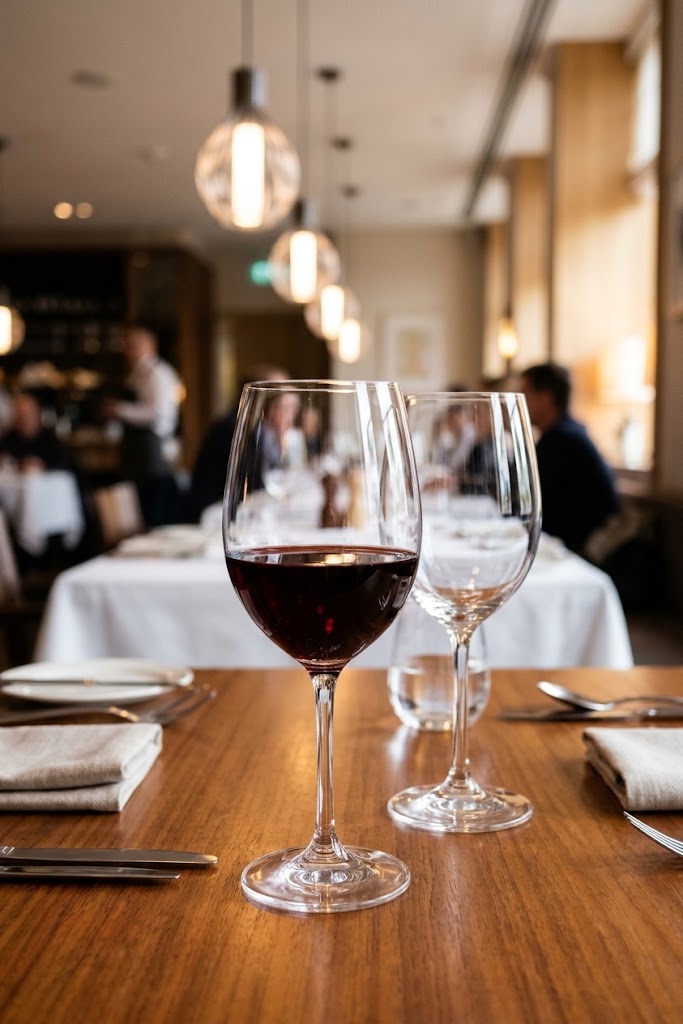
What Types of Wine Glasses Do Restaurants Actually Need?
For a restaurant, instead of blindly purchasing a wide variety of different types of drinking glasses available on the market, it is more crucial to streamline inventory and match the cup sizes based on the actual wine list profile in order to control operating costs and enhance the efficiency of front-line service.
A restaurant wine glass has to survive a Friday night, fit the rack, and still be in the catalogue next year. That’s the awkward part of procurement. A glass can look great on the table and still be a bad buy if it chips in the wash or disappears from the supplier’s range six months later.
Red and White Wine Glasses for Everyday Service
Start with the wine list and how you serve, not with a red/white rule. Red glasses are wider so the wine can breathe. White glasses are narrower to keep the aroma in and the wine cooler. If the shape doesn’t fit the wine, you’ll taste the mismatch at the table.
Universal Glasses vs. Specialized Glassware
There are many casual bistros and high turnover venues that are interested in whether a multifunctional universal glass might help streamline service and reduce inventory complexity. The universal glass is geometrically designed for most light to medium bodied red and white wines, helps in decreasing table crowding and replacement costs. Fine-dining restaurants or high-end wine bars, in contrast, use glasses designed for each grape, to bring out the subtle scents and depth of tastes.
When Sparkling Wine Glasses Are Necessary
Venues with an active by-the-glass sparkling program, frequent banquet toasts or even a sparkling-focused wine list generally work with traditional Champagne flutes or customised sparkling wine glasses. If you don’t have a lot of speciality glassware on hand for casual everyday meals, serving sparkling wine in regular white wine glasses or all-purpose glasses is a perfectly acceptable option.
Which Features Matter Most in Commercial Wine Glasses?
When testing commercial cups, the consumer should not accept vague words like “high quality” or “durable”. Practical criteria include size, rim finish, stem structure, optical clarity and homogeneity across samples and production runs. These attributes allow procurement teams to compare items more objectively, but durability should be based on focused practical testing and defined standards, not just looks.
Glass Shape, Capacity, and Rim Design
Nominal glass capacity is total volume, not fill. Buyers should also be aware of the need for swirling space and aromatics release when determining capacity, as pour size will vary depending on market and restaurant standards. When comparing wine glass capacity and dimensions, consider overall height, bowl diameter, rim diameter and base width in relation to your needs for use, storage and washing. Buyers should also verify the rim surface polish and get product specs from providers. All claims of chip resistance should be verified by product literature and field testing.
Stem Strength and Everyday Handling
The point where the stem joins the bowl and base is a high wear location in commercial settings and needs special care while handling and washing. Very thin stems are beautiful but venues with a quick wash and polish rotation typically require a combination of visual elegance and stem proportions that can withstand the rigours of service.
Clarity, Surface Quality, and Consistency
Good optical clarity is what lets the colour and legs of the wine actually show. On the sample batch, check height, rim diameter, wall thickness and weight for consistency. Then look across the production run for distortion or surface flaws.
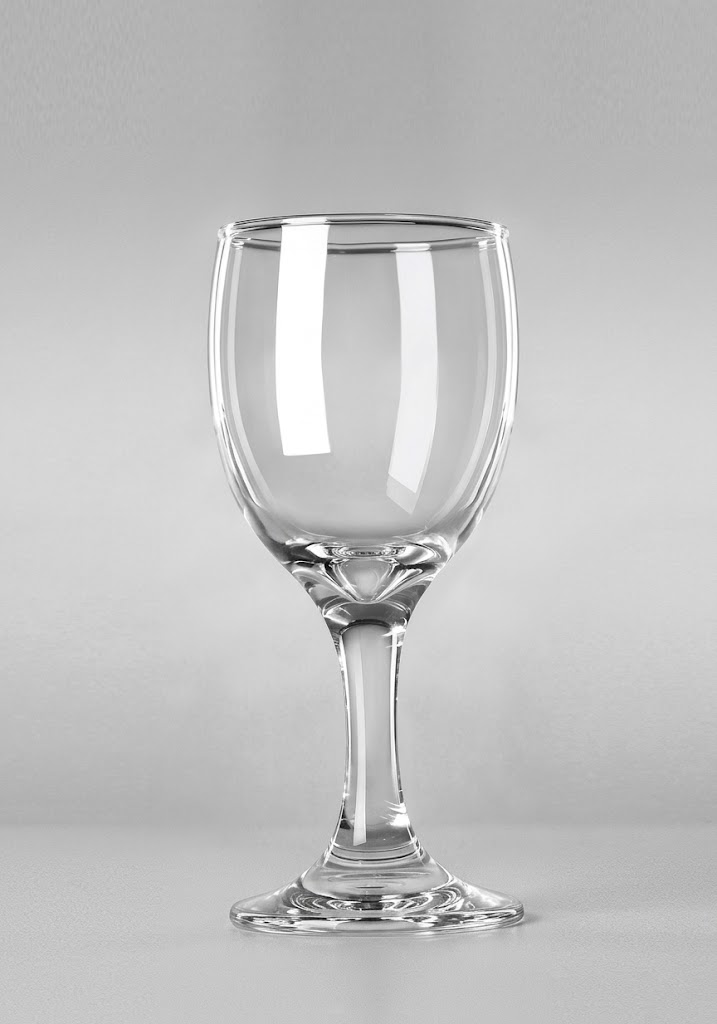
How to Balance Durability, Cleaning, and Replacement Costs
Unit price is only part of the real cost of restaurant wine glasses. The rest is operational.
Check Compatibility with Your Washing Process
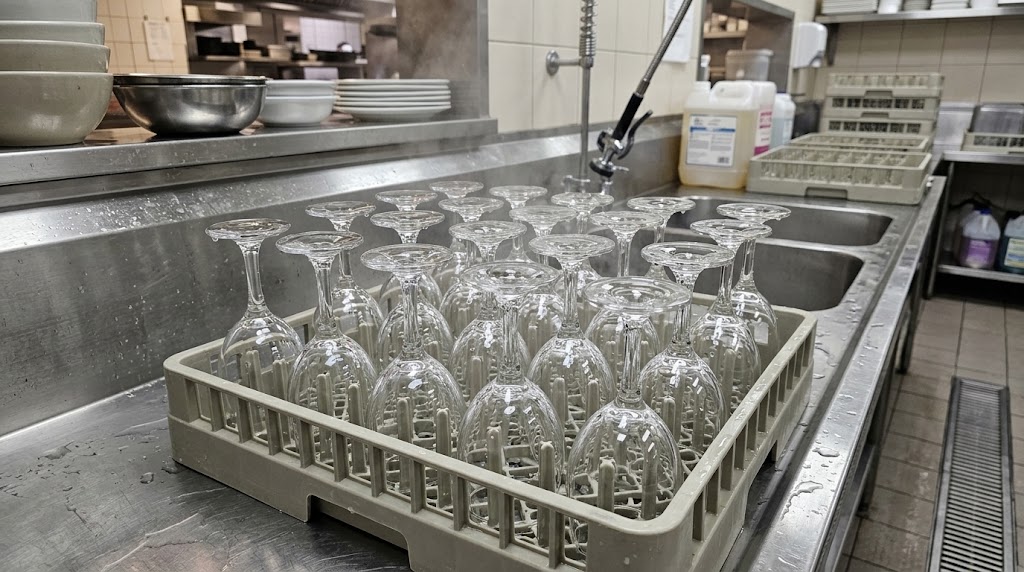
Commercial dishwashers hit glass with high heat, water pressure and chemical detergents. Ask suppliers for wash instructions and usage advice for each model, and check whether it suits your own washing conditions. Proper daily operation includes preventing glass-to-glass contact during washing and utilising correctly sized washing racks for storage.
Compare Total Cost, Not Just Unit Price
A lower unit price does not necessarily indicate reduced operating cost. Restaurants should also consider replacement frequency, storage space needs, washing and handling operations and simplicity of replenishment of identical glass style in the future. Where procurement teams can track long term breakage and replacement cost they can evaluate the real cost of use of different options of glass.
Keep Replacement Glasses Consistent
This may be a workable answer to restaurants that demand reproducible dimensions, and constant replacement of wine glasses, which are created by machine. Buyers should still look at samples and check how the provider handles specifications throughout production batches.
What Should Restaurants Check Before Buying Wine Glasses in Bulk?
We recommend that before placing an order for bulk purchase, you confirm the following precise details with the supplier:
Check the total height, maximum diameter of the bowl, diameter of the rim, breadth of the base and net weight per piece against your storage racks and washing equipment. Product dimensions
Model and quote correspondence: Ensure that the product spec sheet, pack quantity and quote all relate to the exact same model code. This will help you avoid problems in future replenishment.
Practical evaluation sample: Test samples with real restaurant handling, washing, drying and polishing processes.
Long-term replenishment feasibility: Ascertain the likelihood that the particular model will continue to be accessible, and how the supplier deals with specification differences from batch to batch.
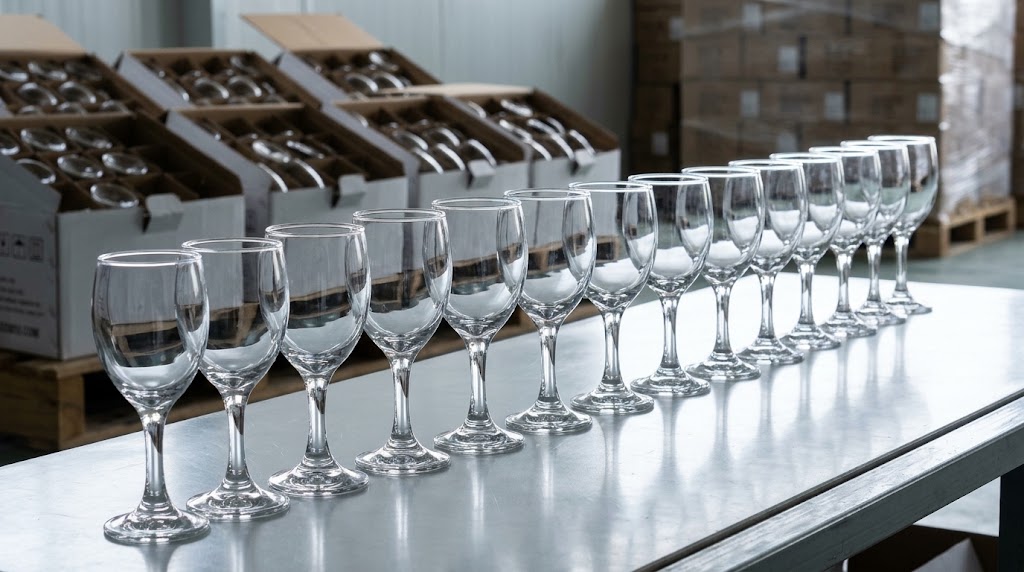
Packaging and transport protection: Verify the contents per box, the requirements for the protective packaging for the outer box and the procedure for claims in case of transit damage.
Customization needs: If you need printed patterns, engraving or capacity markings, verify the available techniques and any limitations on maintenance or durability beforehand.
Hengjing Glass is a glassware manufacturer for wholesale and custom projects. If you are a restaurant, hotel or hospitality consumer looking for glassware in bulk, we can help. Buyers can browse the available goblet glass style, discuss design needs, samples and order specifications before finalising purchase.
Choosing Wine Glasses That Fit Your Restaurant
Expensive and pretty don’t tell you much. What matters is whether the glass works with the menu, fits how service runs, survives the wash and stays inside the budget. Before a bulk order, check dimensions against your racks. Run samples through a real shift. Look at how they clean, and get restock terms in writing. These tests give buyers better informed purchase decisions and a consistent glassware inventory.