
Not all wines are suitable for the same type of glass. Rich red wines, crisp white wines, sparkling wines, and whiskies all have different drinking methods, and therefore the corresponding wine glasses have different shapes and capacities.
From the wide-mouthed red wine glasses, slender champagne glasses, to the short-bodied whisky glasses and small-capacity white wine glasses, the design of different glasses usually combines the characteristics of the wine liquid, the drinking method, and the specific usage scenarios.
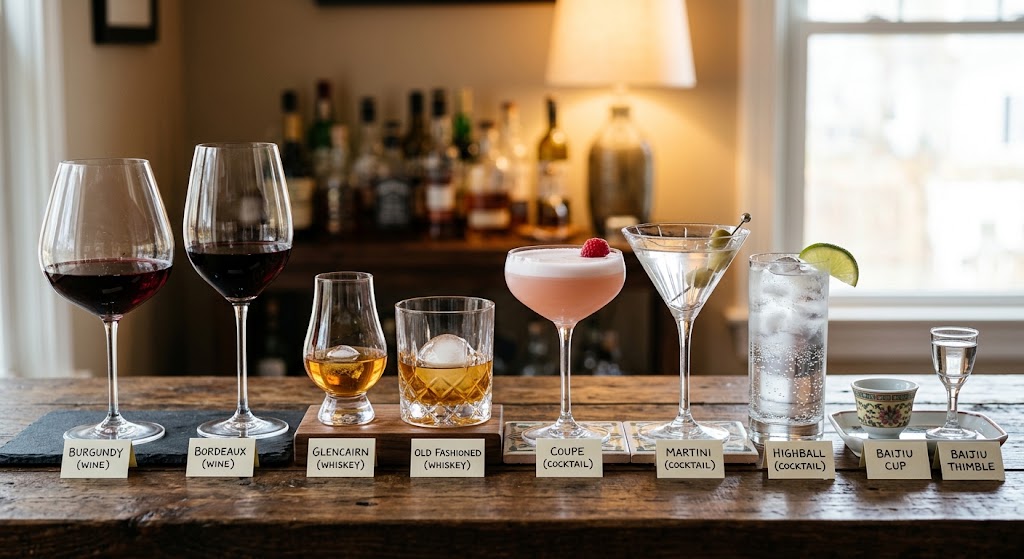
For restaurants, hotels, bars, wineries, catering service providers, and glass cup purchasers, understanding the main types of wine glasses is helpful in establishing a more reasonable combination of glasses based on the actual wine menu and service requirements.
1. Red wine glass
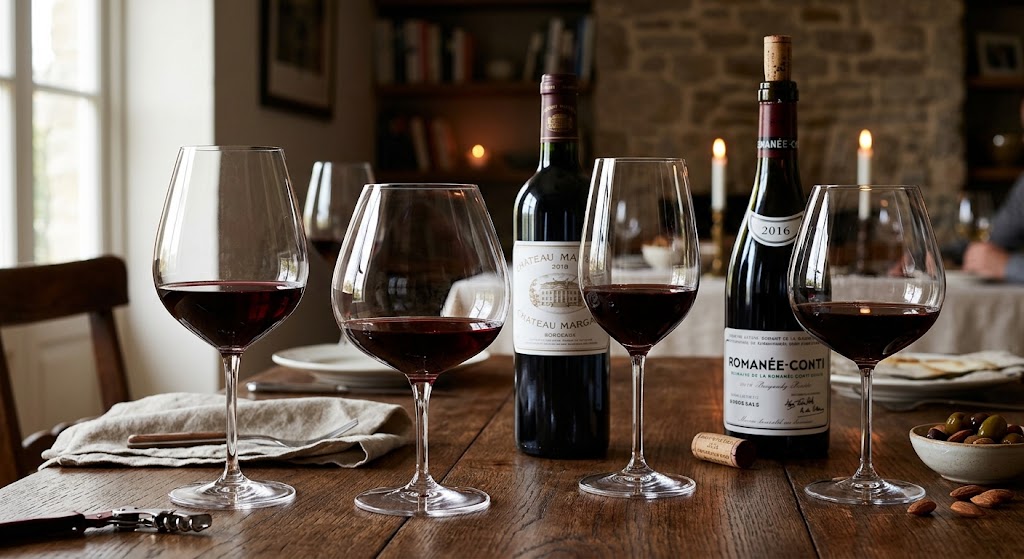
Red wine is usually served in glasses with relatively larger bowls. The larger bowl provides ample space for the wine, facilitating gentle swirling of the glass and also facilitating the release of aromas.
An ordinary red wine glass can be suitable for various red wines, and for different wine types, there are more specialized cup designs.
The Bordeaux glass typically has a taller and more slender bowl, often used for Cabernet Sauvignon, Merlot, and other full-bodied red wines.
The Burgundy glass has a wider and rounder bowl, traditionally used for Pinot Noir and other aromatic red wines.
For restaurants with a wide variety of wine types, configuring different types of wine glasses (Wine Glass Types) according to the wine varieties can enhance the overall service and presentation effect.
2. White Wine Glass
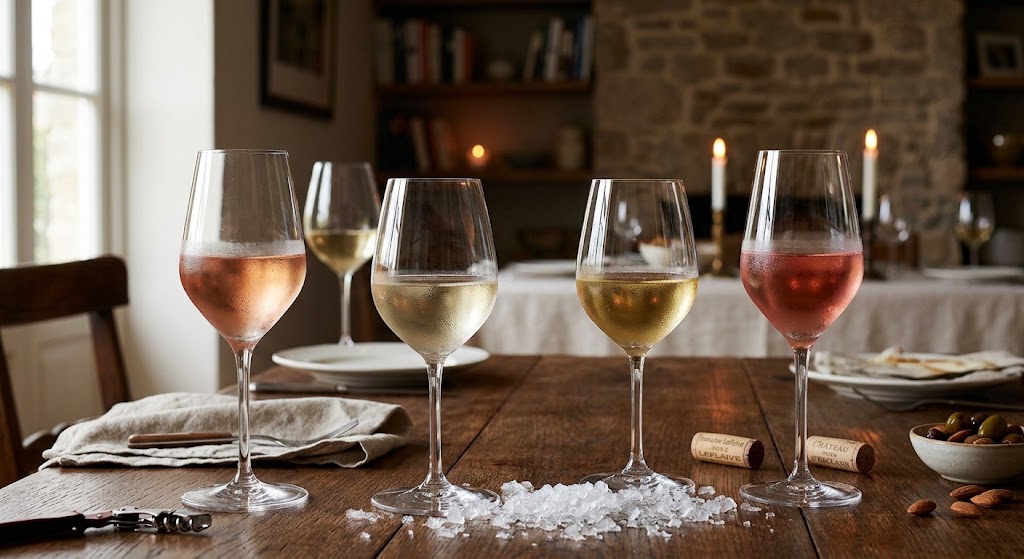
White Wine glasses are usually smaller and narrower than red wine glasses.
This relatively compact shape is often used for Sauvignon Blanc, Riesling, Pinot Grigio, and various Chardonnays.
However, there is no single fixed design for white wine glasses. For example, fuller-bodied Chardonnays may use glasses with a wider bowl, while lighter white wines are usually more suitable for a narrower shape.
For daily dining services, a well-designed white wine glass can cover a variety of wine types without the need to purchase too many different-sized glasses.
3. Rosé Wine Glass
The shape of a rosé wine glass typically falls somewhere between that of a red wine glass and a white wine glass.
Many designs feature a medium-sized bowl paired with a rim that either tapers slightly or flares outward; the specific shape varies depending on the wine style and service method.
Rosé wine glasses are designed for serving chilled rosé and are commonly found in settings such as casual dining, outdoor meals, summer events, and hospitality venues.
If a restaurant serves red, white, and rosé wines, it may choose to purchase dedicated rosé glasses; however, if versatility is prioritized, certain white wine glasses can also serve the purpose for many rosé wines.
4. Sparkling Wine Glasses
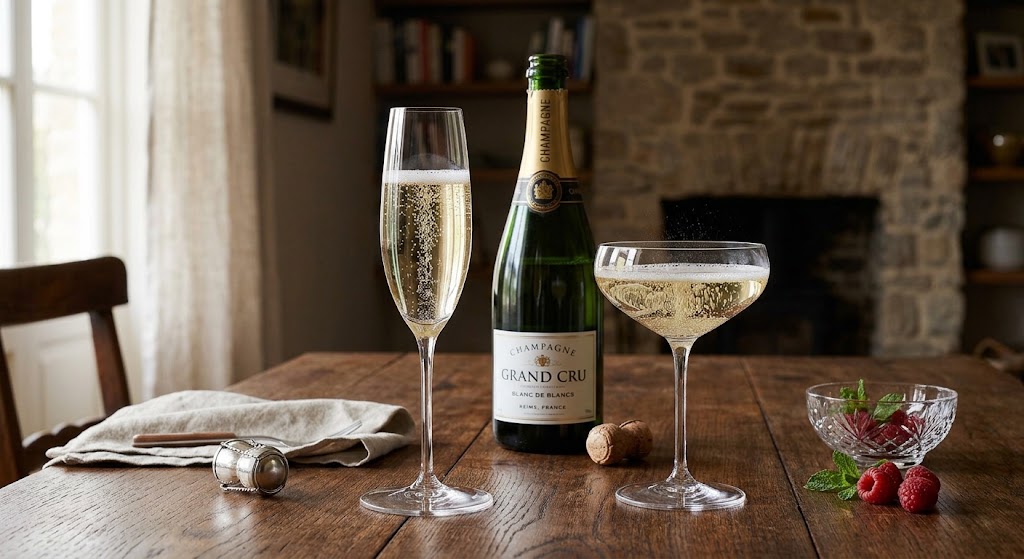
Sparkling wines usually have specific dedicated glass shapes. The Champagne Flute (a tall and narrow glass) is commonly used for Champagne, Prosecco, and other sparkling wines. The slender shape of the glass can also create a more refined and formal visual effect on the table.
Champagne glasses are often used for:
- Weddings
- Banquet
- Hotel events
- Cocktail party
- Formal catering service
Another classic option is the Coupe Glass. Unlike the tall and narrow champagne glass, the Coupe cup has a wide and shallow bowl and a shorter stem, thus having a distinct retro style. Although the Coupe cup was traditionally associated with champagne drinking, it is now widely used in cocktails as well.
For commercial buyers, the choice between champagne glasses and Coupe cups usually depends on the beverage menu, service method, and the desired visual style.
5. Spirits and Distilled Drinks Glasses
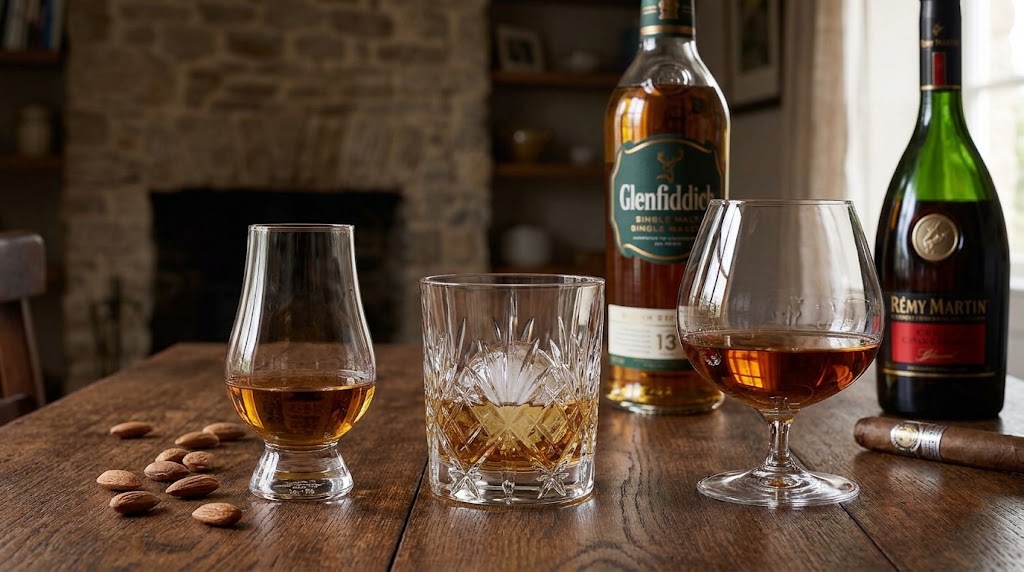
Wine is just a part of the wine glass market. Spirits glasses (Liquor Glasses) and distilled drinks glasses (Spirit Glasses) cover various alcoholic beverages such as whisky, brandy, tequila, vodka, and more.
Whisky Glass
The whisky glass (Whiskey Glass) usually has a shorter body and a stable base. One of the common types is the Rocks Glass, also known as the Old Fashioned Glass. This type of glass has a wide mouth, which can be used for drinking whisky neat, with ice, or for cocktails like Old Fashioned.
Snifter Glass
The Snifter Glass has a large round bowl and a relatively narrow mouth. The large bowl is convenient for gently shaking the liquid, while the narrow mouth helps to concentrate the aroma. Snifter glasses are often used for brandy (Brandy) and cognac (Cognac). Compared to ordinary whisky glasses, Snifter glasses place more emphasis on the aroma experience and traditional tasting methods.
Shot Glass
The Shot Glass is a relatively small type of glass, mainly used for drinking small amounts of spirits. It is commonly used for tequila (Tequila), vodka (Vodka), and other spirits suitable for a single sip. At the same time, Shot glasses are also often used to measure the amount of spirits when making cocktails. Due to its small size and ease of storage, Shot glasses are also suitable for frequent use in bars and other scenarios.
6. Cocktail Glasses
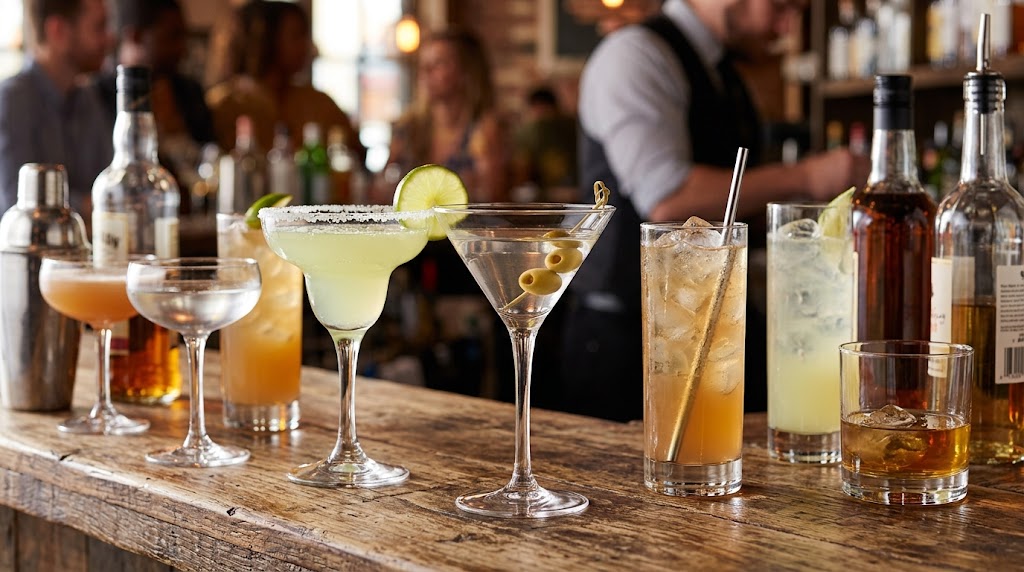
Cocktail glasses also have a series of distinct shapes that are easily recognizable.
- Martini Glass adopts the classic V-shaped belly and is mainly used for Martini and other cocktails that emphasize visual presentation.
- Margarita Glass has a relatively wide rim and is usually used for cocktails such as Margarita.
- Highball Glass adopts a tall and narrow cup body, which is suitable for long-drink cocktails with a large number of mixed beverages.
These cocktail glasses usually need to be selected based on the specific recipe, volume requirements, and the final visual presentation.
7. Chinese Baijiu Glasses
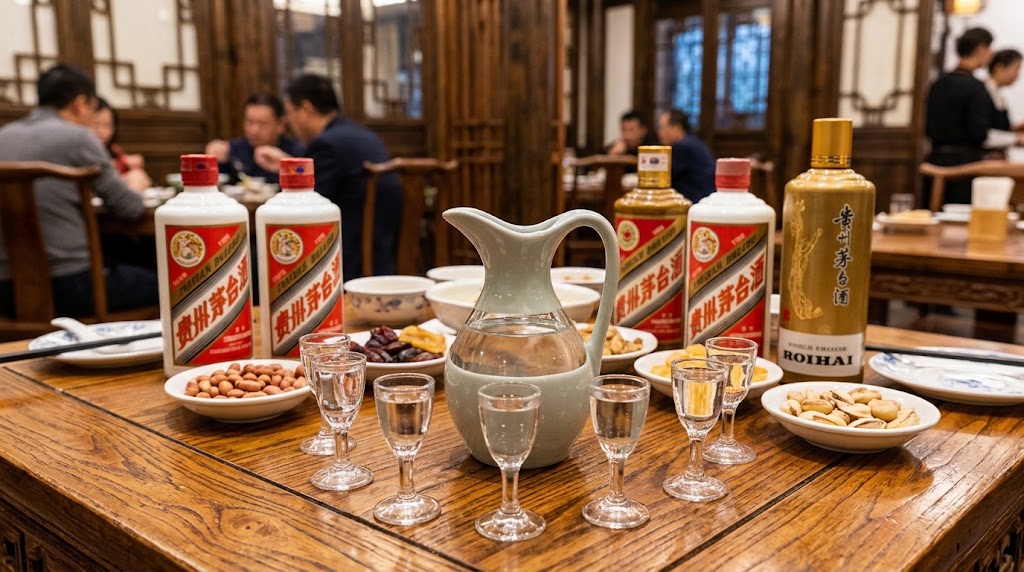
Chinese Baijiu generally has a high alcohol content (40% – over 60%), and both traditional and modern glass shapes coexist. The core features are small capacity and aroma concentration design.
Common types include flat-bottomed small glasses, ceramic glasses, and tulip-shaped high-legged glasses for professional tasting. The capacity is usually in “jiao” units (a three-jiao glass of about 8-15ml is quite common), which is convenient for detailed tasting and also prevents over-consumption. The narrowing design can effectively concentrate the complex volatile substances of rich, strong or delicate aromas, making the aroma assessment more accurate. For daily dining, practical flat-bottom glasses can be used, while for professional tasting, high-legged tulip-shaped glasses are recommended.
Practical Tips for Choosing and Using Glasses
- Pour size matters: Red wine to the widest part of the bowl; white and rosé a little less; sparkling up to two-thirds; spirits and baijiu in smaller measures.
- How to hold the glass: Hold stemmed glasses by the stem or base to avoid transferring hand heat; flat-bottom glasses can be held more freely.
- Home essentials: One set of Bordeaux red wine glasses, one set of white wine glasses, one set of tulip or flute sparkling glasses, plus small spirits/baijiu glasses will cover nearly every occasion.
- Material: Lead-free crystal offers superior clarity and a thinner rim for a more refined mouthfeel; ordinary glass is more durable and economical.
Choosing the right glass is ultimately an act of respect for the liquid and a refinement of the sensory experience. From the generous presence of a Bordeaux glass to the focused elegance of a tulip and the understated practicality of a baijiu cup, each shape quietly shapes the story of the drink.
How To Choose The Right Drinking Glass?
Choosing a wine glass is not just about the appearance. For commercial purchases, it is more important to match the wine type, drinking method and actual usage environment.
Choosing based on the type of wine
Wine, spirits, cocktails and Chinese Baijiu have different drinking methods, so they usually require different combinations of glassware. Instead of using one glass to cover all beverages, it is better to establish a reasonable glass type configuration based on the core wine menu.
Consider capacity and size
The capacity, bowl diameter, rim size, height, base diameter and wall thickness of the wine glass all affect the usage experience. For commercial purchases, actual conditions such as storage, packaging, transportation and washing equipment also need to be considered.
Consider the usage scenario
High-end restaurants may pay more attention to elegant tall glasses and formal table presentations, while bars may focus more on the durability and versatility of the glassware.
Hotel and catering service providers usually need to face different scenarios such as weddings, banquets, conferences and cocktail parties, so more flexible glass type combinations are often more convenient.
In short, the most suitable wine glass is not necessarily the most professional or complex type, but the one that truly meets the actual service needs.
Hengjing glass specializes in glassware for wine and spirits. We offer wholesale of standard glassware as well as fully customized glass solutions. Whether you need bulk supply for restaurants and hotels or exclusive branded designs, we provide professional support to elevate both tasting and commercial presentations. Feel free to contact us — let’s find the perfect stage for every great pour.