When you stand in front of a supermarket shelf and reach for a bottle of premium olive oil or a jar of organic baby food, you instinctively choose the glass container—even if it costs a few dollars more. Why? Because glass feels safer, purer, and more authentic.
As a business owner, packaging engineer, or someone who cares about the planet, you might already know this. The first look is not the whole story. Under the shiny, clear front there is a tangled set of delivery problems and a lot of energy use during making.
Understanding the advantages and disadvantages of glass packaging is no longer just a matter of preference; it is a strategic business decision that impacts your carbon footprint, shipping costs, and brand perception.

The Advantages of Glass Packaging (The “Pros”)
When weighing the glass packaging pros and cons, the benefits often lean heavily toward product integrity and consumer trust. Here is why glass remains the gold standard.
1. Superior Chemical Inertness and Product Purity
The most significant scientific advantage of glass is its chemical composition. Glass is completely inert. Unlike certain plastics that can leach endocrine-disrupting chemicals like BPA or phthalates when heated or exposed to acidic contents, glass does not react with its contents.
In pharma, baby food, and wines, a non-porous barrier helps keep what is packed inside in good shape. It blocks outside dirt and other contaminants. It also keeps the contents from being changed by the container.
2. Infinite Recyclability (The Circular Economy)
People keep talking about greenwashing these days. In that noise, glass still looks like a real choice.
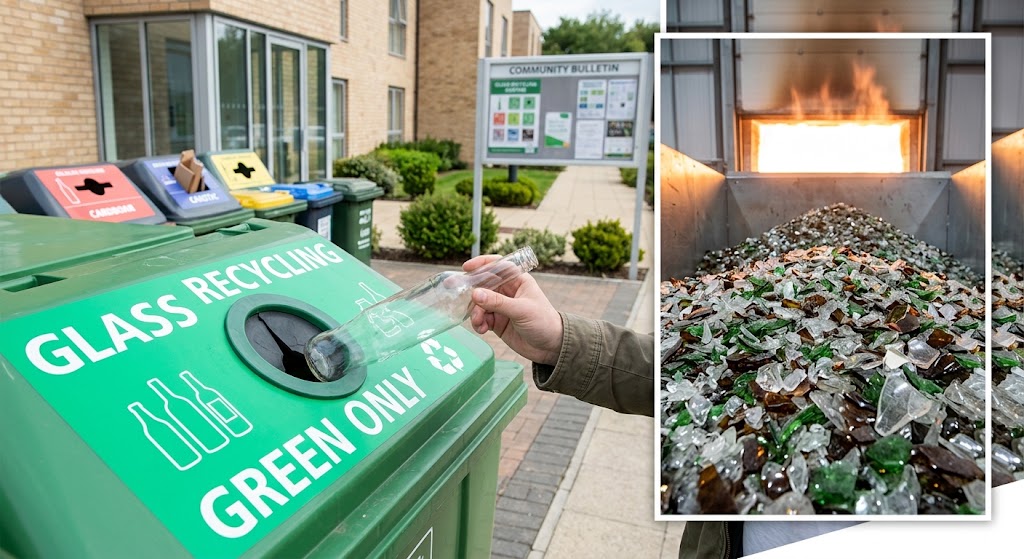
One big reason is how glass can be handled over its whole life. It can go through the “cradle-to-cradle” route. After use, glass can be recycled over and over. A used bottle can turn into a new bottle with the same level of quality.
Furthermore, using recycled glass (cullet) in manufacturing lowers the melting temperature required, saving energy and reducing emissions in the production process.
3. Unmatched Premium Aesthetics
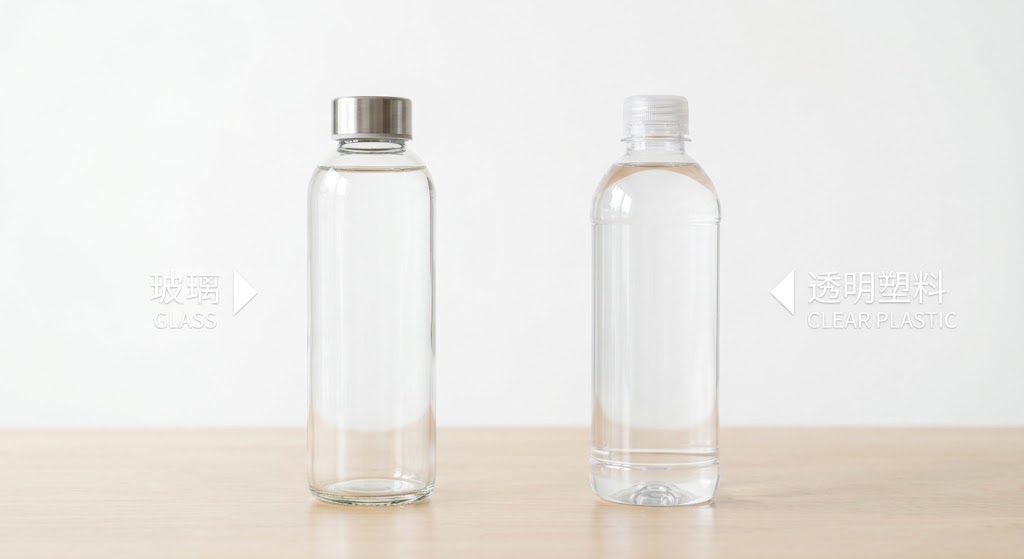
In retail, people judge the product by what they first notice. Glass has a solid feel in the hand. It also looks clean and makes a sharp sound when tapped. That quick effect gives shoppers a sense of high end style and good build.
Clear glass helps with the look at the start. Shoppers can see the drink right away. They notice the bright tone of a cold brew coffee. They also spot the thickness in artisanal jam before they buy. This makes the product feel more real.
Glass is also easy to shape while it is being made. A brand can form a bottle in a style that stands out. Some shapes become familiar at a glance. That makes it harder for fake versions to match the real one.
4. High Heat Resistance (Sterilization)
Glass can withstand extreme temperatures. It is autoclavable and can endure high-heat filling processes (hot-fill) or pasteurization without warping, melting, or releasing toxins. This makes it the safest option for products requiring a long shelf life without heavy chemical preservatives.
The Disadvantages of Glass Packaging (The “Cons”)
Despite its pristine reputation, the disadvantages of glass packaging present significant hurdles, particularly in the supply chain. If you are conducting a glass packaging pros and cons analysis for your business, these logistical costs cannot be ignored.
1. Physical Fragility and Breakage
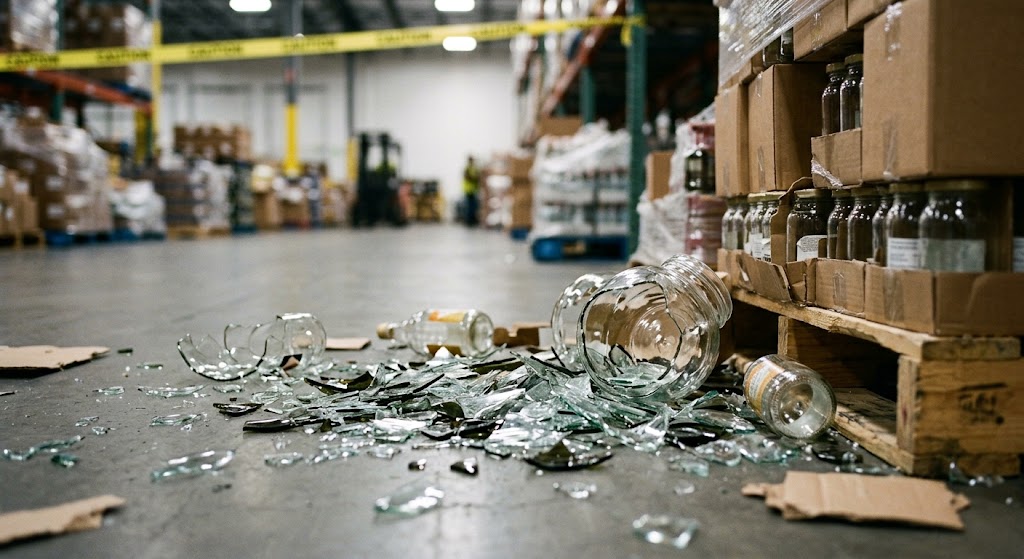
Glass breaks. This is the single largest operational risk associated with the material. During high-speed filling lines, transportation over rough roads, or even when a customer places a jar in their shopping cart, breakage can occur.
This leads to “shrinkage” (product loss), costly cleanup operations, and, most critically, safety hazards. Broken glass shards pose a liability risk to factory workers, retail staff, and end-users.
2. High Shipping Weight and Logistics Costs
Glass is heavy—significantly heavier than plastic, aluminum, or carton-based packaging. This weight translates directly to higher fuel consumption per pallet transported.
In the logistics industry, this is known as the “weight penalty.” Trucks carrying glass bottles are often limited by weight capacity long before they fill their volume capacity, leading to inefficient shipping routes. Ironically, while glass is infinitely recyclable, its heavy weight during transport often results in a larger immediate carbon footprint compared to lightweight plastic alternatives.
3. Storage Inefficiency
Glass containers are rigid. They cannot be squeezed, crushed, or collapsed like flexible pouches or cartons. This rigidity results in inefficient storage—both in warehouses and on retail shelves. A pallet of glass bottles contains a significant amount of “dead air” space, meaning you are paying to store and ship air, rather than just product.
Comparative Analysis – Glass vs. Plastic vs. Aluminum
To truly understand the advantages and disadvantages of glass packaging, it is helpful to see how it stacks up against its main competitors in a real-world context.
| Feature | Glass Packaging | Plastic (PET) | Aluminum Cans |
| Product Integrity | Excellent (Inert, no leaching) | Moderate (Risk of chemical migration) | Good (Requires inner epoxy lining) |
| Recyclability | Infinite (Closed-loop) | Limited (Downcycling) | Infinite (Highly valuable scrap) |
| Weight | Heavy (High freight cost) | Light (Low freight cost) | Light (Low freight cost) |
| Breakage Risk | High (Safety hazard) | Low (Durable) | Low (Dent-resistant) |
| Consumer Perception | Premium / Luxury | Convenient / Cheap | Modern / Eco-conscious |
| Energy to Produce | Very High | Moderate | High |
Where Does Glass Win? (Best Use Cases)
When evaluating the glass packaging pros and cons, the scale tips heavily in favor of glass for specific high-stakes products:
- Baby Food: Many parents pick glass first. They care more about chemical safety than quick options.
- Premium Spirits & Wine: Glass is used for aging. Plastic can cause tiny chemical changes that alter the taste.
- Cosmetics & Perfumery: A thick glass jar feels nicer. It also looks good on a shelf, so stores can charge more.
The Future of Glass – Innovations Mitigating the “Cons”
The packaging industry is not ignoring the disadvantages of glass packaging. To keep glass competitive, manufacturers are rolling out groundbreaking technologies:
- Lightweighting: Engineers are reshaping bottle molds to cut glass use a lot, while keeping the bottle sturdy. That lowers the total weight and reduces raw material needs.
- Eco-Friendly Coatings: Teams are testing new spray-on polymer layers. These coatings can make glass about 70% stronger, so bottles are less likely to chip or crack on fast filling lines.
- Deposit-Return Schemes (DRS): These are common in Europe and are spreading more widely. They encourage people to bring back empty bottles for a refund. The system puts more focus on reusing bottles, rather than recycling, since reusing is typically gentler on the environment than melting glass.
Conclusion
So, is glass the right choice for you? The advantages and disadvantages of glass packaging present a classic trade-off between “quality” and “cost.”
If your product relies on an image of absolute purity and high-end branding, and is committed to a closed-loop circular economy, glass is the irreplaceable choice. Hengjing Glass offers custom glass packaging services for your brand, as well as wholesale manufacturing of standard bottle shapes.