
Apart from affecting the aesthetic appeal of the wine product itself, wine packaging is associated with how well the preservation of the wine and the drinking experience is facilitated. The choice of the bottle of wine brings up an interesting dilemma for wineries and producers: Should they stick to the old cork or use the new screw caps?
Which sound would you prefer when opening a wine bottle – a clean “pop” sound or a sharp “click” sound? In this context, the cork can be viewed as traditional with the element of ceremony and the chance of micro-oxidation aging, while the screw cap is modern with reliability and security. In this article, I will explore the pros and cons of both sealing techniques and assist the wine brand in selecting the best bottle sealing system.
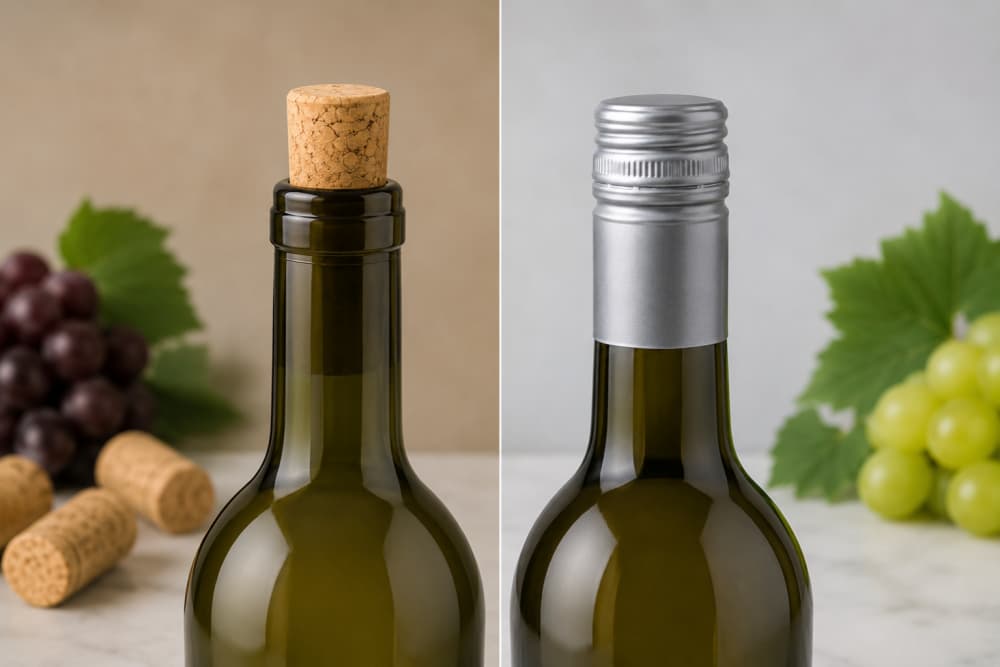
Understanding Corks and Screw Caps
Corks have been used for hundreds of years and, due to their elasticity and slight permeability, have become the standard choice for aging wines in renowned wine regions. They are closely associated with wines from Bordeaux, Burgundy, Barolo, etc., and also carry the complete ritual of uncorking and smelling the cork.
At the end of the 20th century, the TCA contamination problem of corks erupted in a concentrated manner. TCA causes the wine to emit a wet cardboard or moldy smell, severely suppressing the fruit aroma. New World wine regions (Australia, New Zealand) were the first to widely adopt screw caps, completely avoiding the risk. Nowadays, screw caps are widely used in wines of all price ranges, and many high-quality wineries also use them for white wines, rosés, and even some red wines. The cork industry has significantly reduced the incidence of TCA through technological upgrades, and technical cork (such as Diam) has become an important compromise solution.
Advantages and Disadvantages of Cork Stoppers
Main advantages of cork stoppers:
- Promotes aging through micro-oxygenation: Allows a very small amount of oxygen to slowly enter, helping tannins soften and aromas develop towards a complex bottle-aged direction, especially suitable for structured red wines (Cabernet Sauvignon, Nerino, Bordeaux blends, etc.) that are to be aged for a long time.
- Renewable and eco-friendly: Cork oak can be harvested regularly without harming the trees, supporting the forest ecosystem and being biodegradable.
- Sensory experience and high-end image: The popping sound of the cork is associated with tradition, enhancing the experience and brand value of high-end wines.
- Well-documented history: Many top wines have performed exceptionally after being aged for 20-30 years in high-quality cork stoppers.
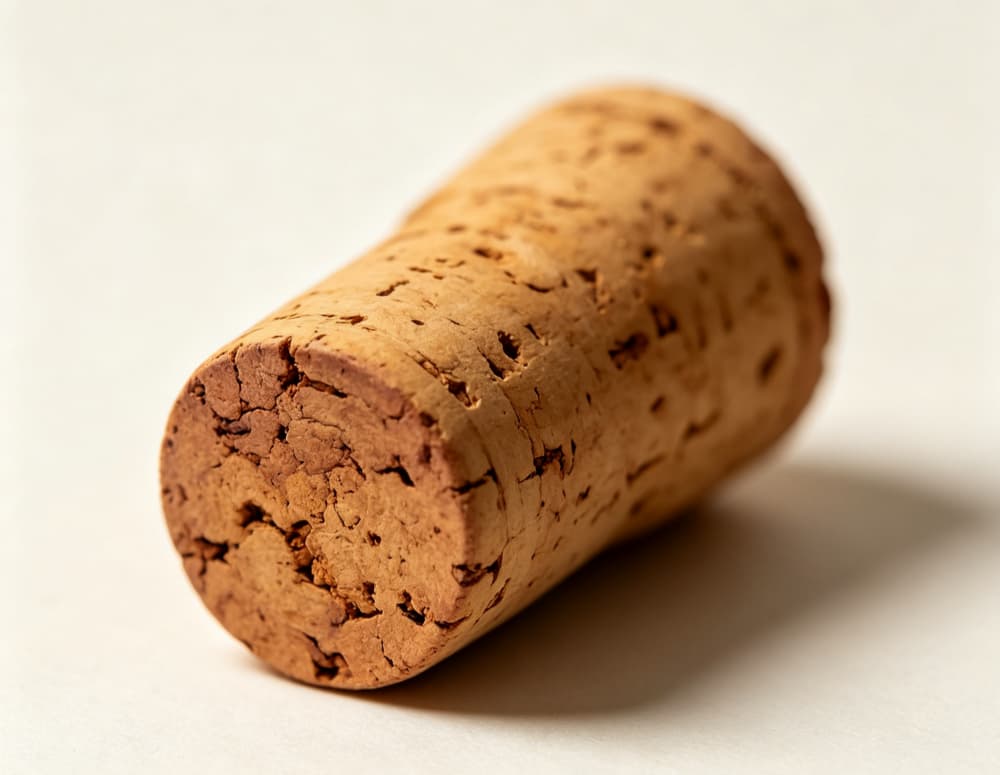
Main disadvantages of cork stoppers:
- TCA risk remains: Although it has been significantly reduced, there is still a certain proportion of bottles that may be affected, resulting in a musty paperboard smell or the suppression of fruit aroma.
- Inconsistent quality: The density and oxygen permeability of each cork stopper vary, leading to significant differences in the development of the same batch of wine, and it may oxidize prematurely.
- Higher cost and strict storage requirements: The price is usually several times that of screw caps, and the bottle must be placed horizontally to remain moist; otherwise, it is prone to cracking.
- Inconvenient operation: Dust may be generated, and a special bottle opener is required.
Advantages and Disadvantages of Screw Caps
Main advantages of screw caps:
- High consistency and zero TCA risk: Uniform sealing performance, minimal differences between bottles, almost eliminating contamination from the closure itself.
- Better preservation of fresh fruit aroma: Especially suitable for aromatic white wines (Sauvignon Blanc, Pinot Grigio), rosés, and light-bodied red wines, able to maintain vitality and aroma excellently.
- Practical and convenient: No need for a bottle opener, easy resealing, upright storage is possible, lower cost.
- Modern controlled oxygen permeability: The inner lining technology can precisely regulate the oxygen permeability rate, supporting clean and slow aging. Multiple blind tastings show that screw caps often perform better in terms of freshness and overall preference.
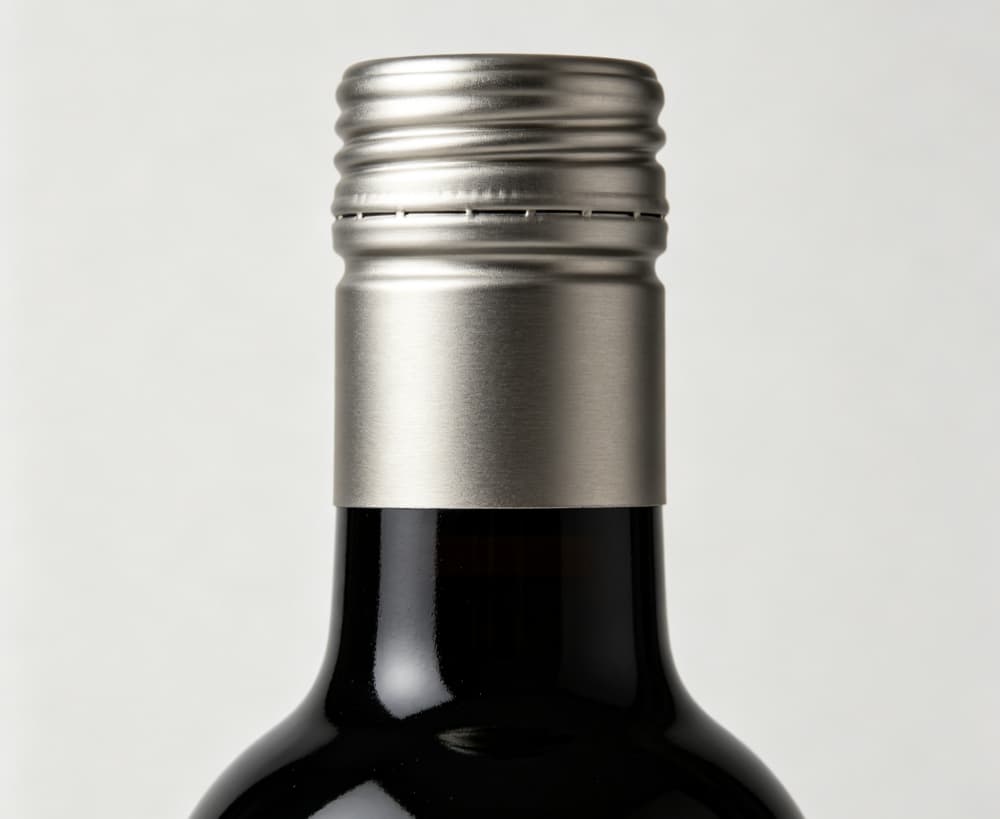
Main disadvantages of screw caps:
- Possible reductive odor: In a nearly sealed environment, winemakers need to manage sulfides precisely; otherwise, a smell of matches or rubber may occur.
- Less ceremony: Some traditional consumers believe that “unscrewing” is not solemn enough, and the acceptance in the high-end red wine market is still limited.
- Sustainability controversy: The production of aluminum requires high energy consumption; although recyclable, the ecological narrative is not as intuitive as that of natural cork stoppers.
- Different aging path: It is more inclined towards reductive rather than oxidative development, and the flavor profile and style are not exactly the same as those under the cork stopper.
Cork vs. Screw Cap Comparison
| Comparison of projects | Cork | Screw cap |
| Brand image | High-end, traditional | Modern, simple |
| On-off activation method | Requires bottle opener | Can be opened manually |
| Sealing stability | Good | Very stable |
| Aging potential | Excellent | Good |
| Cork contamination risk | Existence | Basically no |
| Ease of use | Generally | Very convenient |
| Packaging cost | Higher | Lower |
| Sustainability | Natural and renewable | Recyclable |
Is a Cork Really Better For Aging Wine?
This is one of the most common misconceptions in the wine industry. In the past, it was widely believed that only natural cork stoppers could allow wine to age for a long time. In fact, modern research shows that the factors influencing wine aging not only include the sealing method, but also:
- Wine variety
- Winemaking process
- Body structure
- Storage temperature
- Humidity
- Lighting conditions
For the vast majority of wines consumed within three to five years after being released, the screw cap also provides good preservation effects. Only those high-end wines specifically designed for long-term aging still have a certain advantage over the natural cork.
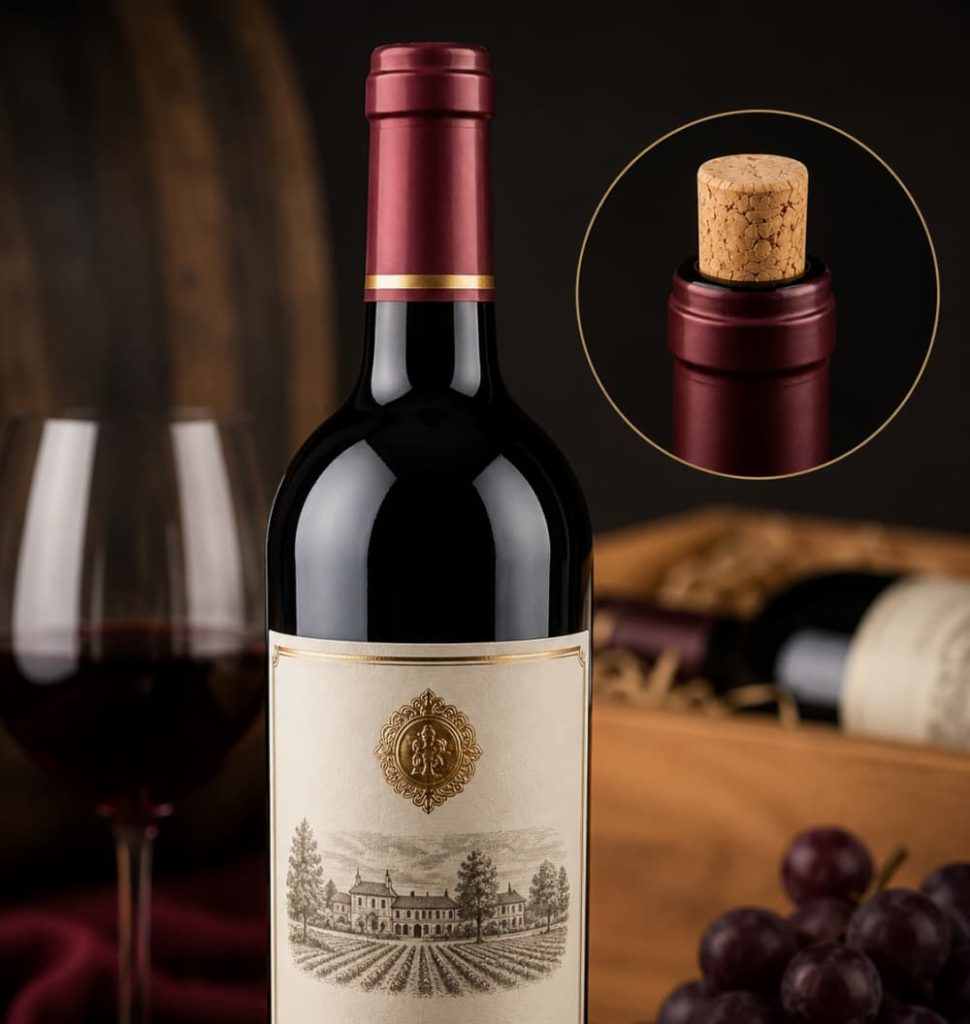
How to Choose Between Corks or Screw Caps?
If your brand emphasizes tradition, collectability, and a premium positioning, natural cork is generally a more suitable choice.
If your product primarily targets younger consumers who prioritize consistent quality, convenience, and cost control, screw caps are more advantageous.
Furthermore, the consumption habits of the target market should also be considered. For example, consumers in some countries and regions have a higher acceptance of screw caps, while others still prefer traditional corks. A comprehensive evaluation, taking into account brand positioning, wine type, sales channels, and export markets, will lead to a more informed decision.
Conclusion
The debate between cork stoppers and screw caps is essentially a tug-of-war between tradition and modernity, change and consistency, ceremony and efficiency. Screw caps have overall superiority in reliability, consistency, and protection for most wines; while cork stoppers continue to hold a unique position in terms of aging potential, emotional connection, and ecological narrative.
The best choice is never a fixed answer; rather, it is a precise match with the style of the wine and your needs. The next time you pick up a bottle, be less biased and more curious – ultimately, what truly determines the quality of a wine is the liquid inside and its dialogue with time, oxygen, and the intention of the winemaker.
Whether you choose traditional cork closures or modern screw caps, selecting the right bottle is just as important as choosing the closure itself.
At Hengjing Glass, we manufacture premium glass bottles for wine, spirits, and other beverages. From standard Bordeaux and Burgundy bottles to fully customized designs, we provide compatible neck finishes, custom colors, decoration options, and bulk manufacturing services for wineries, distributors, and beverage brands worldwide.