
In the highly competitive wine market, consumers often form their first impression of a wine before they even open the bottle. Stem vs stemless wine glasses involves more than appearance: the design affects temperature, handling, stability, wine tasting, storage, and where each type works best. Here’s the honest truth. Neither style is “better.” It’s not a competition.
It depends on you. What you drink. When you drink it. Where you store your glasses. And honestly? How much you care about swirling and sniffing like a pro. Stemmed glasses still own the formal dinner scene. That’s just tradition. But stemless? They’ve taken over everyday life. Casual dinners. Patio hangs. BBQs. They’re just so much easier to grab and go. Let’s break it down. Slowly.
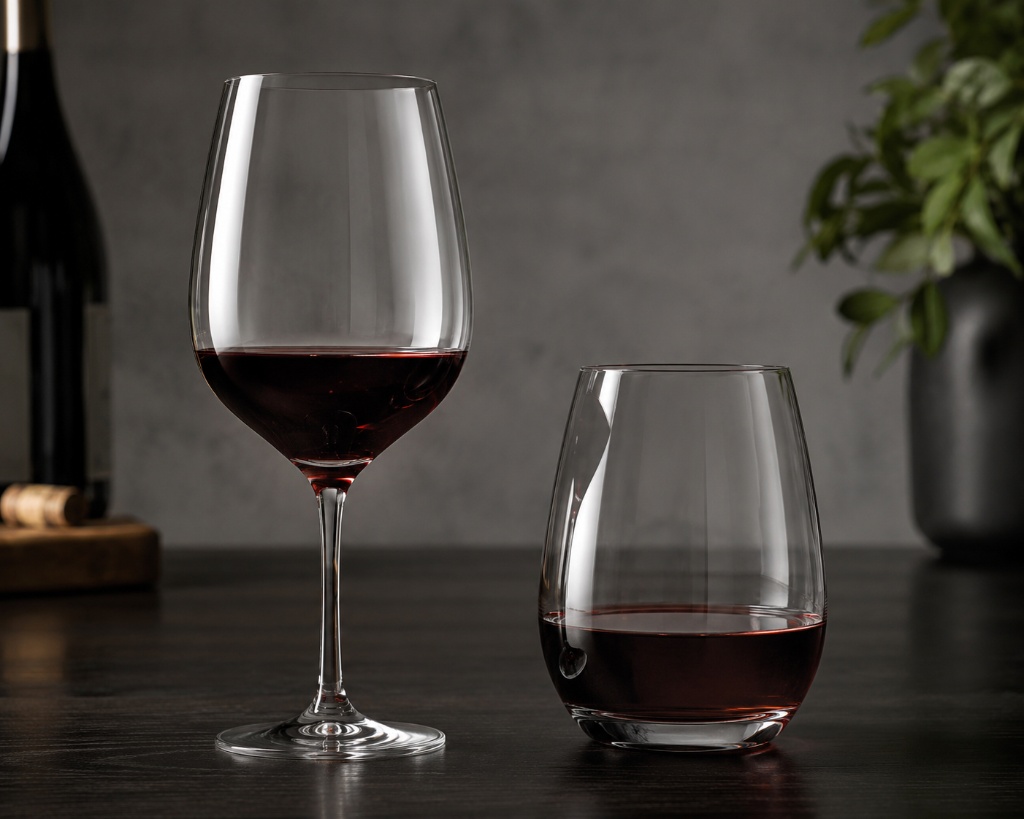
Stem vs Stemless Wine Glasses: What’s the Difference?
Because the difference isn’t just visual. It’s physical. How these things are built changes everything about how you use them.
Traditional wine glasses? Three parts. Bowl. Stem. Base. You hold the stem. Your hand stays off the bowl. That’s the whole point.
Stemless glasses? They skip the stem entirely. The bowl just… sits right on the base. You hold it like a water glass. Simple. Casual. No fuss.
One keeps your hand away from the wine. One puts your palm right up against it. That one detail? It changes a lot.
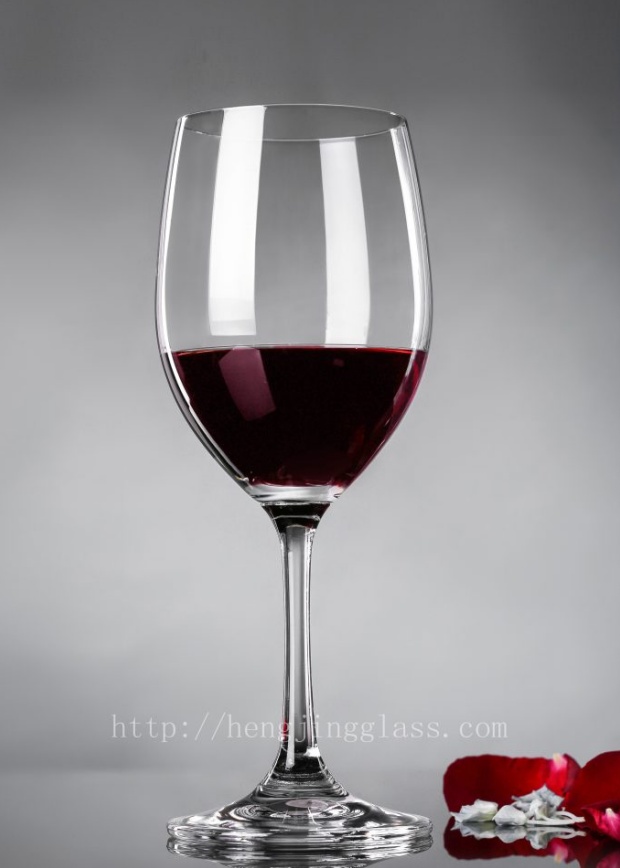
Stemmed Wine Glass
Three pieces. That’s it. The bowl holds the wine. The stem gives you something to hold onto. The base keeps it steady on the table.
Why does that matter? Because when you hold the stem, your hand never touches the bowl. No body heat sneaking into the wine. No fingerprints clouding up the glass.
You see these at formal dinners. Wine tastings. High-end restaurants. Places where presentation matters. Places where temperature control isn’t optional.
Stemless Wine Glass
No stem. Simple as that. The bowl connects directly to a thick, flat base. You hold it like a tumbler. Like a coffee mug. Like any other glass in your cupboard.
And honestly? That works great in a lot of situations. Busy kitchens. Patio tables. Crowded parties. The lower center of gravity means it’s harder to knock over. That’s a win when things get a little chaotic.
7 Key Differences You Should Know
The main physical difference between stemmed and stemless glasses is the presence of a stem, which affects temperature control, handling, stability, storage, and overall use.
That stem isn’t decorative. It’s functional. It keeps your hand away from the bowl. That changes how much your body heat affects the wine. It also changes how tall the glass is. Which changes where you can store it.
Let’s keep it simple. Here’s a quick comparison.
| Difference | Stemmed | Stemless |
| Temperature | Better control (Hand stays off the bowl) | More affected by hand heat |
| Tasting | Easier to swirl & view wine clarity | Less convenient to swirl |
| Stability | Higher center of gravity (Easier to tip) | Low center of gravity (More stable) |
| Appearance | Classic & elegant | Modern & casual |
| Storage | Requires taller shelf space | Easier to store & fits compact spaces |
| Durability | Stem needs extra care during handling | Fewer delicate structural parts |
| Use | Formal dining & wine tastings | Daily home use & casual gatherings |
See the pattern? Stemmed = control. Stemless = convenience.
That’s the trade-off. Now let’s dig into the details.
Which Wine Glass Is Better for Different Wines?
Not all wines behave the same way. Some are sensitive to heat. Some need air. Some just need to stay cold.
So the glass you pick? It changes the experience. Not dramatically. But enough.
Red Wine
For red wine, the bowl matters more than the stem. Full stop. The shape. The size. How much air can get in there. That’s what counts. For everyday drinking? Stemless is totally fine. You pour. You sip. You enjoy.
But if you’re doing a proper tasting? A stemmed glass is better. You can swirl without looking silly. You can see the wine’s true color. And your hand stays off the bowl. No extra warmth messing with the temperature.
White and Rosé Wine
Stemmed glasses are often preferred for white and rosé wines because they make it easier to avoid warming the wine with your hand.
Think about it. Whites and rosés are supposed to be served cold. That chill is part of the experience. It keeps the acidity bright. The aromas fresh.
Grab a stemless glass and your hand wraps right around the bowl. Your body heat starts warming the wine immediately. Not ideal.
Stemmed glass? Your hand stays away. The wine stays cold. Simple.
Sparkling Wine
Stemmed glasses are commonly used for sparkling wine because they help keep hands away from the bowl and make the glass easier to handle, while the glass shape itself plays an important role in preserving carbonation.
Bubbles are fragile. They need the right environment. The bowl shape. The rim size. The geometry inside. All of that affects how long the bubbles last. The stem helps, sure. But don’t fixate on it. The whole design matters.
Which Glass Is Better for Each Occasion?
Different settings call for different glasses. That’s just common sense.
Fine Dining & Formal Dinner: Stemmed glasses fit the tradition. They add elegance. They belong at a multi-course meal.
Wine Tasting: Stemmed glasses make it easy to lift, tilt, and swirl. You can see the wine clearly. Judge the color. Check the clarity.
Home Drinking: Either works. Seriously. It’s about your personal preference. Your habits. Your space.
BBQ, Outdoor Party & Picnic: Stemless is the safer bet. Windy day? Crowded table? Lower center of gravity means fewer spills. That’s a win.
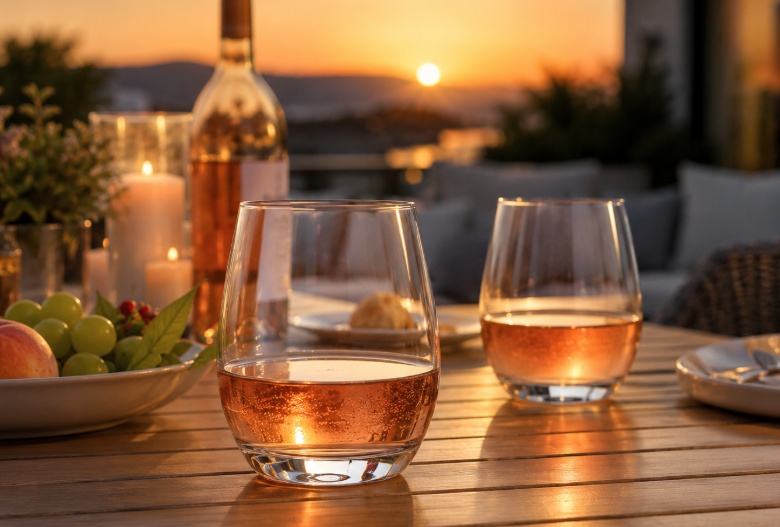
Casual Gathering: Stemless glasses set a relaxed mood. Friends gathered around the kitchen island. Coffee table hangouts. No pretense. Just good wine.
Weddings & Events: Stemmed for indoor banquets. Stemless for outdoor ceremonies. Bar tables with high traffic? Go stemless. It’s practical.
One more thing. Stemless isn’t “less than.” It’s just different.
Modern restaurants use them. Hotel lounges use them. Casual dining spots love them. It’s about the vibe. The setting. The service style.
Which Is Easier to Clean, Store, and Handle?
Let’s be honest. How a glass handles in real life often determines how often you actually use it.
Storage
Stemmed glasses need vertical space. They’re tall. They don’t fit everywhere.
Stemless? Shorter. Compact. They slide right into standard shelves. No awkward rearranging. No creative stacking. If your kitchen cabinets are tight, stemless saves you headaches.
Handling & Stability
Stemless glasses typically have a lower center of gravity, which can make them more stable on a busy table. That’s physics. The weight sits lower. The base is wider. It’s harder to knock over. Stemmed glasses? Taller. Higher center of gravity. A stray elbow can send them flying.
Cleaning & Dishwasher Safety
Stemless glasses are shorter. They fit in the dishwasher more easily. But here’s the catch. Always check the manufacturer’s instructions. Not every glass is dishwasher safe. Stemmed glasses require more care. You need to watch the spacing. The height limits. You don’t want them clanking into each other during the cycle.
Durability & Fragile Points
No stem means fewer breakable parts. That’s just common sense. Stemless glasses can take more abuse. Daily use. Frequent washing. They hold up. Stemmed glasses? That thin stem is a weak point. Twist it wrong while drying. Apply too much pressure. Snap. There goes your glass.
Fingerprints & Clarity
Stemmed glass keeps your hand off the bowl. No fingerprints. Crystal clear. Stemless? Your fingers wrap around the bowl. Prints everywhere. That’s fine for everyday drinking. But if you’re trying to admire the wine’s color? It gets in the way. Hold the stem. Swirl freely. See the wine clearly. Smell the aromas. That’s the advantage.
How to Choose the Right Wine Glass?
Not sure which one to pick? Walk through these steps. It’ll get clearer.
Step 1: Choose by Wine Type: Drink mostly chilled whites, rosés, or bubbly? Go stemmed. Your hand heat stays away. Drink reds or everyday table wines? Stemless handles that just fine.
Step 2: Choose by Occasion: Formal dinners and festive gatherings? Stemmed. Outdoor BBQs, family meals, casual hangs? Stemless. Sturdy. Stable. Stress-free.
Step 3: Check the Bowl Design: Don’t obsess over the stem. Seriously. The bowl shape, rim diameter, and capacity affect aromas way more. A well-balanced design is what matters. Check out this comparison of red wine glasses vs white wine glasses to see what we mean.
Step 4: Check Storage and Cleaning Space: Measure your cabinets. Check your dishwasher. If space is tight, stemless wins. No contest.
Step 5: Consider Appearance and Durability: What do you like? What fits your style? How much abuse will they take? Choose based on your real life. Not some ideal version of it.
What Should Businesses Consider When Buying Wine Glasses?
Hotels. Restaurants. Wineries. Bars. Catering companies.
If you’re buying in bulk, you need to think differently. It’s not just about what looks good. It’s about what works. Shift after shift. Wash cycle after wash cycle.
Durability & Handling
High volume means high stress. Glasses get handled constantly. Washed constantly. Stacked constantly.
Stemless glasses have fewer fragile parts. No thin stem to snap. That’s a big deal in a busy environment.
Washing & Storage Efficiency
Stemless glasses fit into standard washing racks more easily. Loading and unloading is faster.
The actual capacity depends on your equipment, of course. But in the back room? Stemless takes up less vertical space. That means more efficient packaging and storage.
Capacity & Customization
Bars need consistency. Consistent pours. Consistent presentation.
Knowing standard wine glass sizes helps managers pick the right bowl capacity. That keeps servings uniform across different shifts and service settings.
Need custom branding? You can add logos to the base or the stem. Screen printing. Sandblasting. Laser engraving. Pick your method. Build your brand.
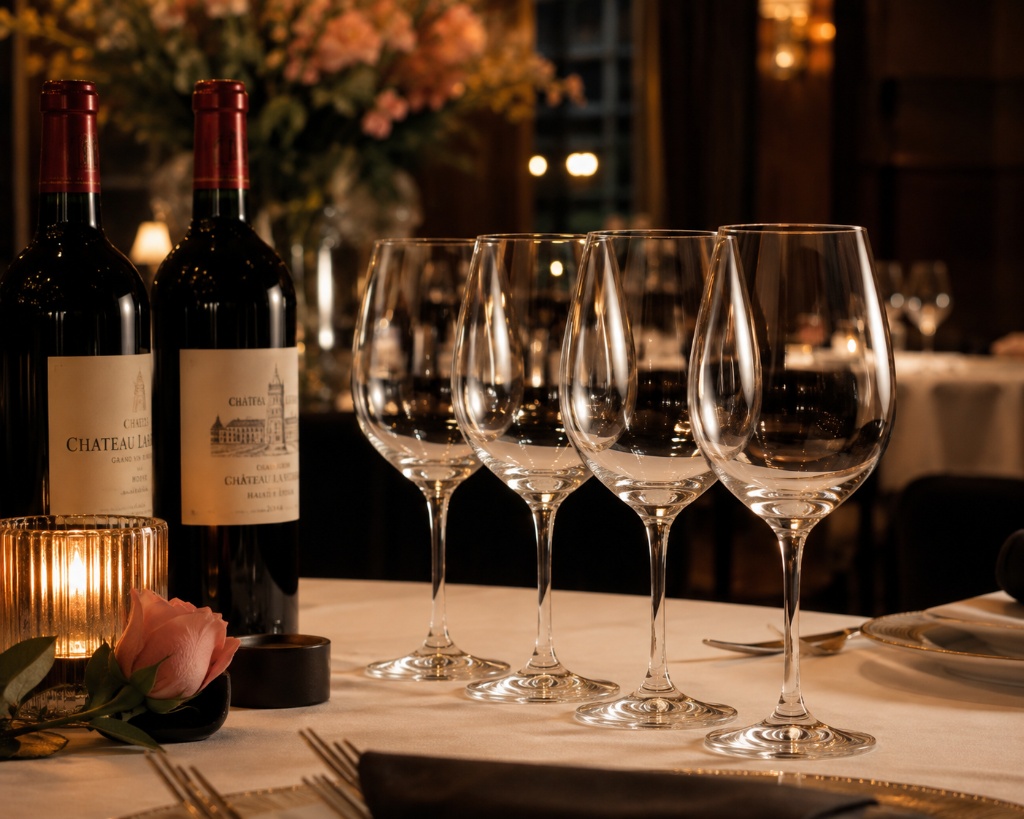
For wine brands, hotels, restaurants, and wholesalers, working with a specialized manufacturer opens up more options. OEM and ODM support lets you develop custom shapes. Specific capacities. Unique glass colors. Decorative finishes. All based on what your business actually needs.
Stemmed or Stemless: Which One Should You Choose?
Alright. Let’s make this easy.
Choose Stemmed If:
You care about the traditional tasting experience. You drink wines that are sensitive to heat. You host formal dinners. Or you run a high-end restaurant that values classic presentation.
Choose Stemless If:
You want versatility. Everyday use. Family meals. Outdoor patios. Your cabinets are short on vertical space. You hate complicated cleaning routines.
Choose Both If:
Your business has both formal indoor dining and casual outdoor areas. Your home needs glassware that works for weeknight dinners and holiday parties alike.
Stem vs stemless wine glasses is ultimately a choice between different priorities, not a simple question of which design is better.
There’s no wrong answer. Just what works for you. Traditional elegance or modern convenience. Pick your priority. Find the glass that fits. And enjoy your wine.
For wine brands, restaurants, hotels, and wholesalers, Hengjing Glasss provides OEM and ODM support for custom wine glass shapes, capacities, colors, and decorative finishes.