On the busy supermarket shelves, when we look across the dazzling array of beverages, we will find an interesting phenomenon: many high-end beverages are always packaged in glass bottles, while ordinary beverages next to them are more often packaged in plastic bottles. This can’t help but make people wonder, for both are packaged beverages, what is so unique about glass bottles that makes high-end beverages so fond of them? Are glass bottles really better than plastic bottles? Next, let’s delve into the scientific reasons behind this.
Pure protection and perfect barrier – the inert characteristics of glass
Pure protection:
Glass is mainly composed of inorganic substances such as silicon dioxide, and its chemical properties are very stable. Glass will not react chemically to liquids with a pH value of 1 to 14. Whether it is an acidic juice drink or a functional drink with complex ingredients, glass can ensure that the original flavor of the drink is not destroyed.
Plastics are slightly inferior in chemical stability. Plastics are high-molecular organic compounds, and various additives such as plasticizers and antioxidants are added during the production process. These ingredients may dissolve or produce odors, causing changes in the color, taste and nutritional content of the beverage.
Perfect barrier:
Glass has a dense molecular structure. During the storage of beverages, its barrier property is like an airtight barrier, blocking gas and moisture. For example, glass can completely block oxygen penetration, prevent beverages from oxidizing and deteriorating (such as the deterioration of the flavor of wine and juice), and prevent the loss of carbon dioxide, ensuring the bubbles and refreshing taste of carbonated beverages. It can also block the influence of light and moisture on the quality of beverages.
In contrast, the barrier property of plastic is weaker. Although plastic can also block the entry and loss of moisture to a certain extent, a small amount of oxygen will enter during long-term storage, and some beverages that are sensitive to oxygen will deteriorate due to oxidation. Under the same storage conditions, the shelf life of glass packaging is often 1-2 months longer than that of plastic, which fully demonstrates the advantages of glass in barrier properties.
The dual experience of vision and touch, enhancing the texture of glass
Exquisite Appearance:
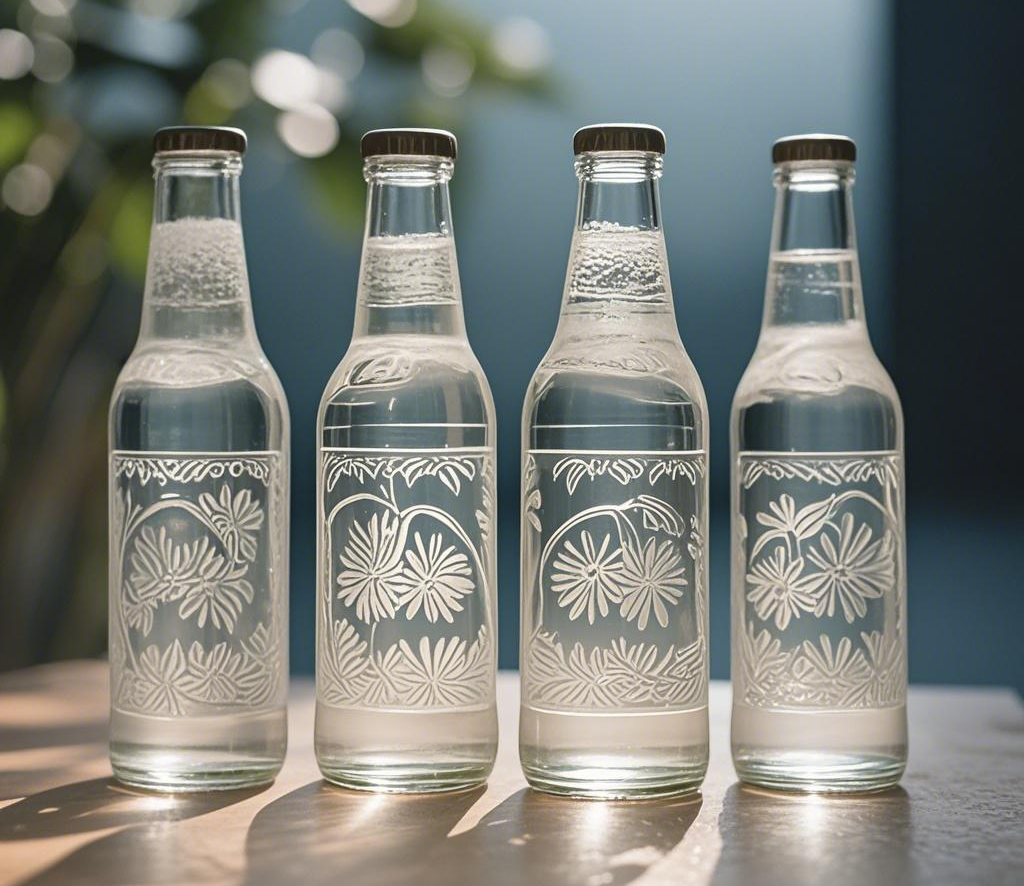
Glass has extremely high transparency, just like a piece of pure crystal, which can perfectly show the color and texture of the beverage itself, giving people a high-end and exquisite visual enjoyment. When the sun or light passes through the glass bottle, the color of the beverage is clearly presented. Whether it is bright and juicy juice or mellow coffee, it can be more attractive against the background of the glass bottle, as if telling consumers their unique charm.
Cool Touch:
In addition to visual enjoyment, tactile experience is also an important factor that affects consumers’ feelings about beverages. When we hold a glass bottle in our hands, the cool and solid touch will give people a unique sense of pleasure. Especially in the hot summer, a bottle of iced glass bottle beverage is held in the hand, and the cool feeling is instantly transmitted from the fingertips to the whole body, as if dispelling all the heat, making people eager to drink it up.
In contrast, the feel of plastic bottles is relatively inferior. Plastic materials are usually lighter and softer, giving people a feeling of being not solid enough. Moreover, when the temperature of plastic bottles changes, the touch of their surface does not change significantly, and they cannot bring a strong cooling impact like glass bottles.
Sustainable development advantages of glass
Green advantages of glass in the production process
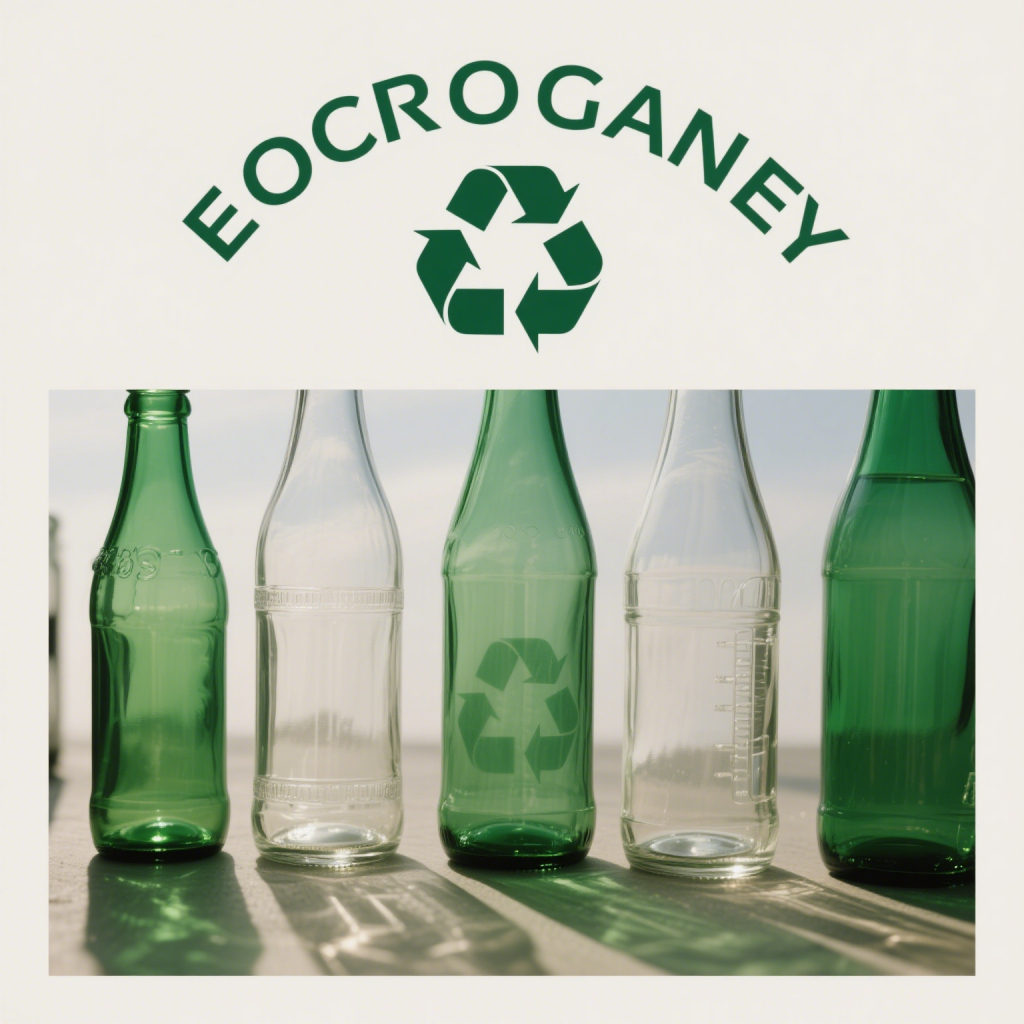
The raw materials for glass production are characterized by abundance and easy access. The main raw materials for glass are quartz sand, soda ash, limestone, etc. These materials are extremely abundant and widely distributed on the earth. In the glass production process, these raw materials undergo a series of physical changes such as high-temperature melting to make glass. The whole process is relatively simple, and the addition of chemical substances is relatively small, and the pollutants generated are relatively limited.
In contrast, the production of plastics is highly dependent on petroleum resources. Plastics are mainly made of petrochemical products refined from petroleum. As a non-renewable resource, petroleum has limited reserves, and the mining and transportation process will cause certain damage to the environment. A large amount of greenhouse gases and harmful pollutants, such as carbon monoxide and sulfur dioxide, are also produced during the production process.
Infinite cycle of glass
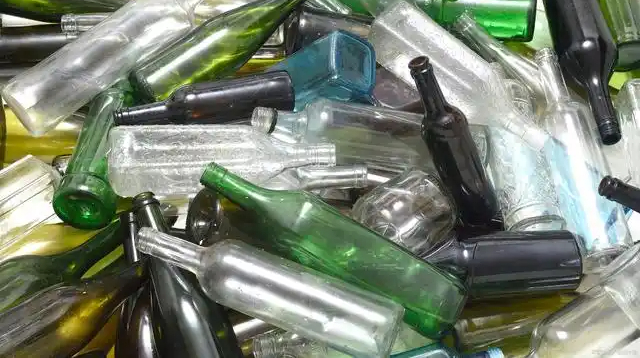
Glass has shown great advantages in recycling and is a model of sustainable development. Glass is 100% recyclable and can be recycled indefinitely, which means that recycled glass can be remelted and made into new glass products without significantly affecting its performance and quality. Moreover, the reuse of recycled glass can significantly reduce energy consumption. Compared with the production of glass using new raw materials, it can save about 30% – 40% of energy, which is of great significance for alleviating energy shortages and reducing carbon emissions.
However, the recycling of plastics is not optimistic. Although many commonly used plastics can be recycled in theory, in actual operation, plastic recycling faces many difficulties. First of all, there are many types of plastics, and different types of plastics cannot be mixed well when melted. A small amount of the wrong type will reduce the quality of the entire batch of plastics, so the plastics must be carefully sorted first. And the recycling rate of plastic recycling is low. According to statistics, only about one-tenth of the plastics ever produced in the world have been recycled once, and only about 1% have been recycled twice.
Create a high-end image in the minds of consumers
In the perception of consumers, packaging is often the external manifestation of product quality, and glass packaging, with its unique texture and appearance, is endowed with high-end and high-quality symbolic meaning. The gloss and transparency of glass convey a sense of refinement and purity, allowing consumers to subconsciously associate it with high quality, exquisite craftsmanship and traditional heritage. When we see a bottle of beverage packaged in a glass bottle, we often have a sense of trust and expectation in its quality, as if it is not just a bottle of beverage, but also a carefully crafted work of art. Many high-end beverage brands have cleverly used this psychological cognition of consumers to strengthen the quality image of their products by choosing glass packaging. For example, Evian, as a world-renowned high-end mineral water brand, has always insisted on using glass bottle packaging. Its simple and elegant glass bottle design not only perfectly demonstrates the clarity and purity of mineral water, but also conveys the brand’s ultimate pursuit of quality.
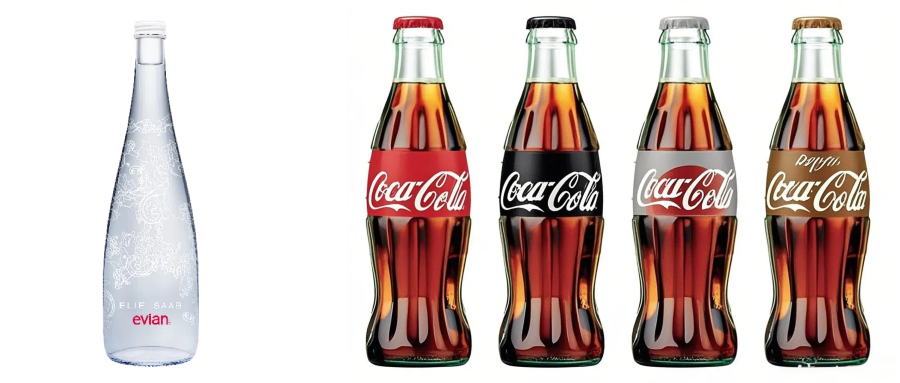
In the fiercely competitive beverage market, how to stand out and attract target customers is a challenge faced by every brand. As a unique packaging material, glass bottles provide an effective way for high-end beverage brands to achieve market differentiation. For example, the high-end glass bottle series of cola launched by Coca-Cola Company, while retaining the classic taste, meets consumers’ demand for personalization and high quality through the use of exquisite glass bottle packaging and unique design elements. It forms a clear market segmentation from ordinary plastic bottled cola and further expands the brand’s market share.
Conclusion: The King Status of Glass Bottles
In summary, the preference of high-end beverages for glass bottles is not accidental, but based on scientific considerations such as chemical stability, sensory experience, sustainable development and brand image. Compared with plastic bottles, glass bottles have shown incomparable advantages in protecting beverage quality, improving consumer experience, practicing environmental protection concepts and shaping the high-end image of brands.
As a professional glass bottle manufacturer, Hengjing is committed to the development concept of combining environmental protection with industry. It exclusively manufactures product packaging with brand characteristics for many beverage brands and alcoholic beverage brands, and has won the recognition of consumers.