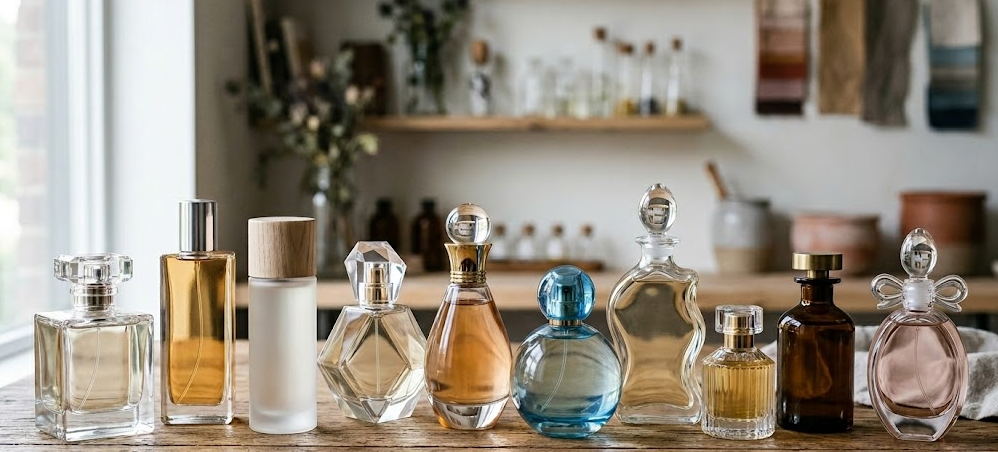
You’ve probably noticed this before. The perfumes that really catch your eye on a store shelf, the ones you just have to pick up, they almost always have an unforgettable bottle. Is it round? Square? Or something that looks more like a piece of art? These perfume bottle shapes aren’t just about looking pretty. They quietly tell the story behind the scent.
So if you’re picking out the first bottle for your own fragrance brand, or you just want to understand why different shapes work the way they do, you’re in the right place. We’ll walk through the ten most common bottle types, then talk about which shapes match which scent families, what size makes the most sense, and which designs are easy to produce versus which ones tend to cause trouble. By the end, you’ll have a much clearer idea of how to pick a bottle that looks great, works well, and doesn’t turn into a manufacturing nightmare.
Why Perfume Bottle Shapes Shape Your Brand Identity
Here’s the thing. When someone looks at your perfume on a shelf, the first thing they notice isn’t the name or the price. It’s the bottle’s silhouette. And that shape sends a message in just a few seconds. A soft, round bottle feels gentle and elegant. A sharp, square one feels solid and powerful. That’s exactly why perfume bottle shapes matter so much.
Brands spend a lot of time looking for the one that best represents them. Whether you’re just starting out or you’re an established brand upgrading your packaging, getting the shape right makes people remember you and trust you faster.
The Complete List of Perfume Bottle Shapes and Their Meanings
Let’s go through the most common types of perfume bottles one by one. For each shape, I’ll tell you what it looks like, what it says about your brand, and a famous example. This should help you quickly figure out which style fits your fragrance.
Rectangular or Square
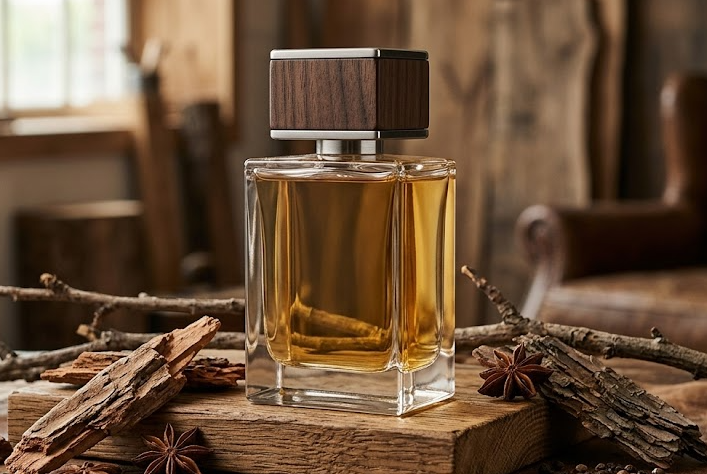
What it looks like: straight lines, sharp corners. What it says: stable, classic, strong. Works well with woody or masculine scents. Famous example: Chanel No.5. That simple square shape gives off a timeless, high end feel.
Cylinder
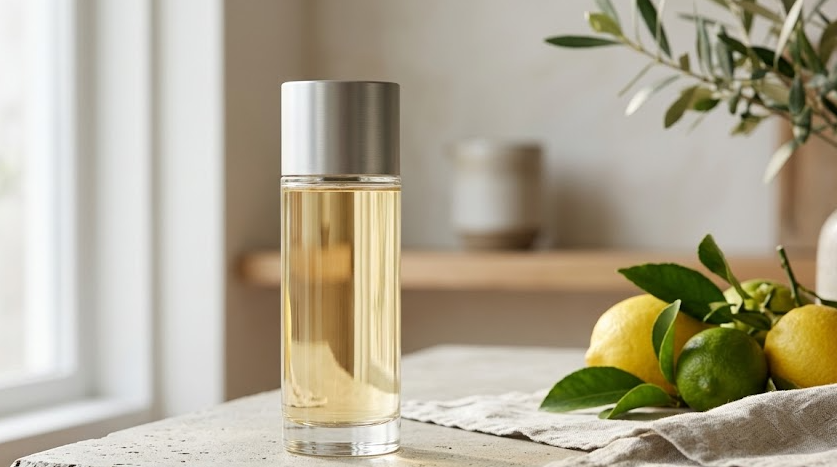
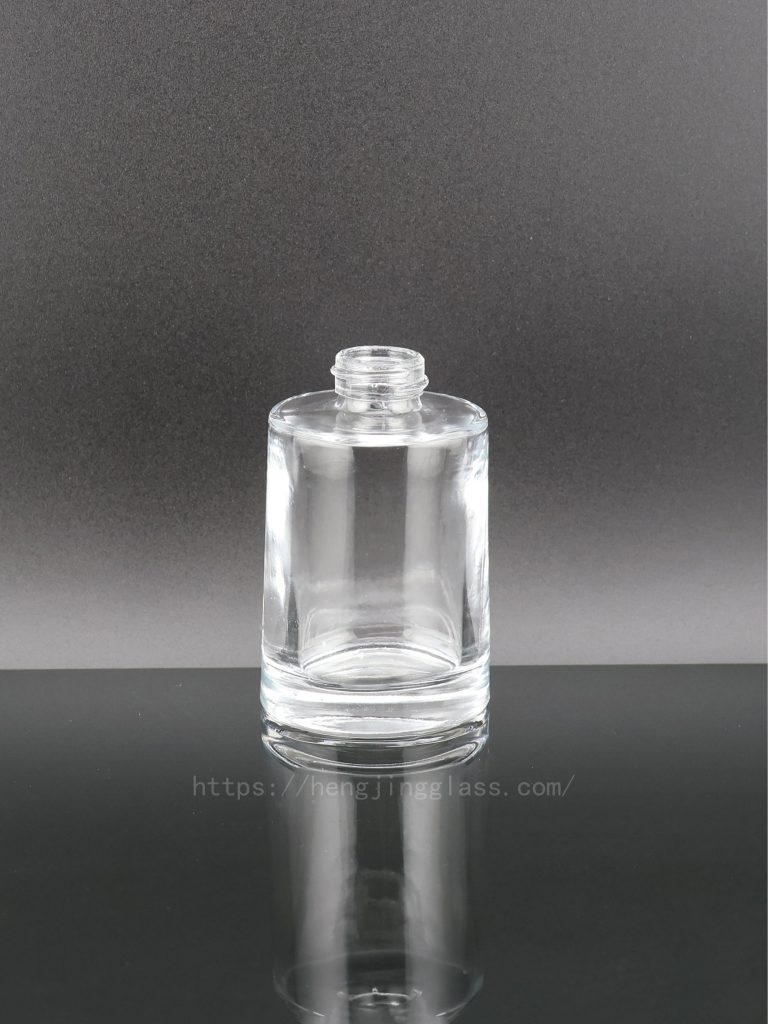
What it looks like: same width from top to bottom, like a column. What it says: simple, neutral, modern, no extra decoration. Great for unisex fragrances or fresh citrus scents. Famous example: Montale. The cylinder bottle basically became the brand’s signature.
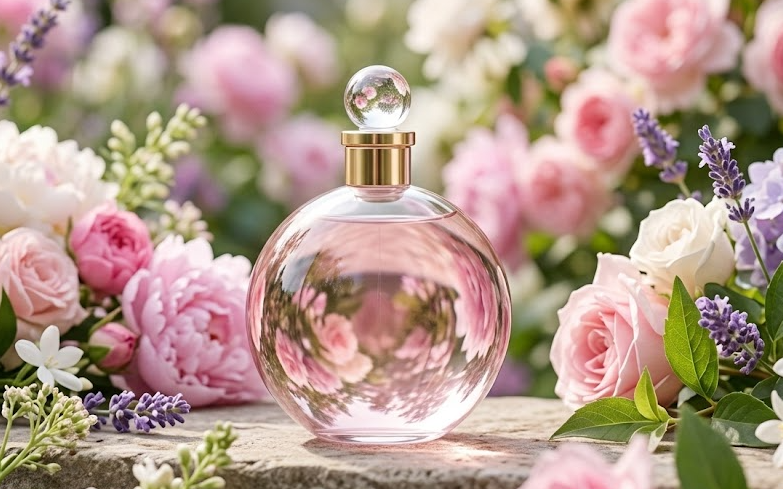
Round
What it looks like: a full circle or almost a ball. What it says: soft, feminine, floral. Perfect for romantic floral perfumes. Famous example: Viktor&Rolf Flowerbomb. That round bottle looks a bit like a cute grenade, but it feels very gentle.
Triangle or Tapered
What it looks like: wide at the bottom, getting narrower toward the top. What it says: dynamic, edgy, bold. Good for young, sporty scents or anything trying to feel rebellious.
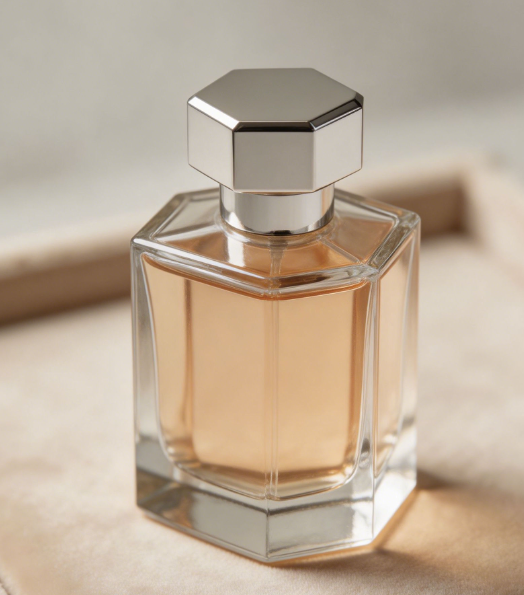
Hexagonal or Octagonal
What it looks like: the cross section has six or eight sides. What it says: refined, geometric, quietly luxurious. Great for high end custom fragrances. Famous example: Kilian. That hexagonal bottle with thick glass looks seriously expensive.
Teardrop
What it looks like: pointy on top, round at the bottom, like a drop about to fall. What it says: elegant, fluid, natural. Works for aquatic or fresh floral scents. Makes you think of morning dew.
Heart
What it looks like: a heart shape, symmetrical. What it says: romantic, sweet. Often used for Valentine‘s Day editions or confession themed perfumes. Perfect for fruity or gourmand scents.
Sculptural or Unique
What it looks like: completely different from regular geometric shapes. Think animals, high heels, gemstones. What it says: very artistic, super distinctive, easy to go viral on social media. Great for limited editions or avant garde brands. Famous example: Carolina Herrera Good Girl. That bottle is a sexy high heel.
Antique or Victorian
What it looks like: imitates old apothecary bottles or royal perfume flacons. Often has embossing or complicated lines. What it says: nostalgic, aristocratic, collectible. Perfect for oriental or oud based scents, the rich and mysterious ones.
Apple or Sphere
What it looks like: a round, plump apple. What it says: cute, friendly, very girly. Great for young, sweet fragrances. Famous example: Nina Ricci. That apple shaped bottle has become a classic in the perfume world.
What Different Perfume Bottle Shapes Say About Your Fragrance Notes
Shapes don’t just look different. They actually change what people expect your perfume to smell like. This connection comes from everyday visual and smell experiences. Here are a few simple patterns.
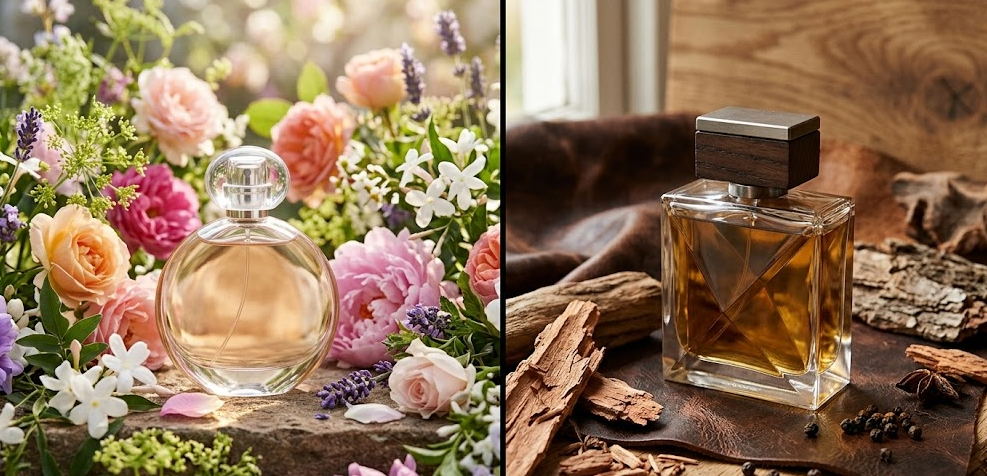
Round shapes (circle, teardrop) make people think of softness, florals, and elegance. If you’re making a rose or jasmine heavy scent, a round bottle helps customers “smell” the softness before they even spray it.
Angular shapes (square, triangle) make people think of strength, woodiness, and spice. Think cedar, leather, pepper. A sharp, square bottle makes those notes feel more convincing.
Tall slender shapes (cylinder, long neck) make people think of freshness, water, and lightness. Marine or green scents look great in this kind of elongated silhouette.
Complex shapes (sculptural) make people think of mystery, oriental notes, artistry. Amber, frankincense, myrrh. These rich, layered ingredients deserve a bottle that’s just as interesting.
Once you get these patterns, you can reverse engineer your choice. First, decide your main scent family, then pick the shape that best communicates that feeling. That’s why so many perfumers actually think about the bottle before they finalize the juice. And that’s also how you find the best perfume bottles for your own line.
Perfume Bottle Sizes and How They Work With Different Shapes
Here’s something a lot of people overlook. The same shape feels totally different in 30 ml versus 100 ml. That’s why you have to think about perfume bottle sizes together with the shape, not separately. To ensure a perfect fit between your chosen size and the closure system, it is essential to understand the parts of a perfume bottle before finalizing your design.
30 ml and smaller
The bottle is small and cute. Best for compact designs like round or teardrop shapes. Fits easily in a bag, and you can press the sprayer with one hand. Weird sculptural shapes in this tiny size often lose all their detail. Not worth it.
50 ml standard size
This is the most popular size on the market. Almost any shape works here. But watch out for the center of gravity. Triangle or tapered bottles can tip over easily if the base isn’t wide enough.
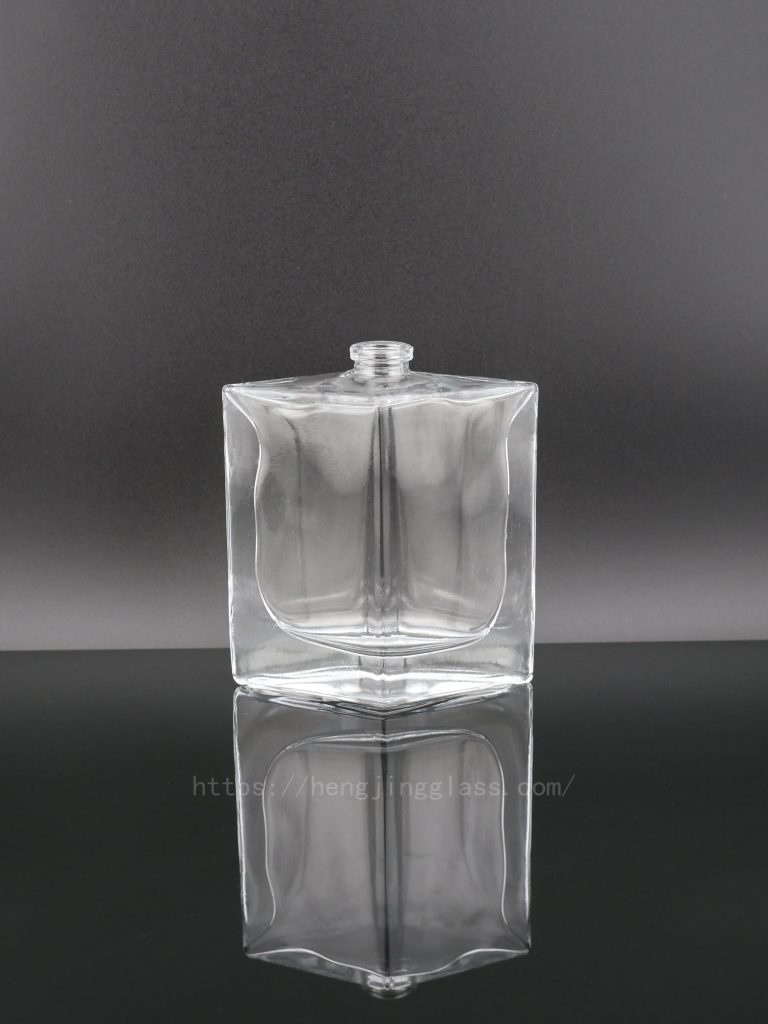
100 ml and larger
Bigger bottles work better with regular shapes like rectangles or cylinders. Why? Because glass gets heavy as you add volume. A sculptural bottle at 100 ml often feels clumsy, hard to hold, and more likely to break during shipping.
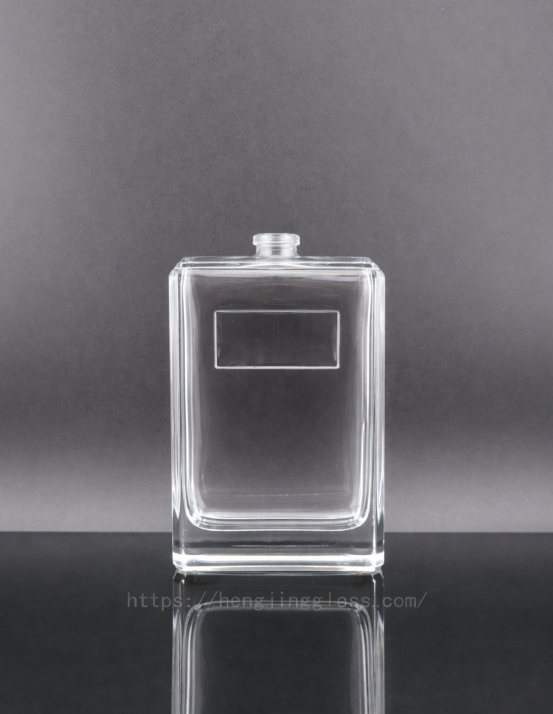
Also, fragrance bottle sizes relate to perfume concentration. High concentration perfumes (like Parfum) usually come in 30 ml or 50 ml. You only need a tiny drop each time, so a small bottle lasts forever. Eau de Toilette, on the other hand, is often sold in 50 ml or 100 ml because you spray more each time.
Best Perfume Bottle Shapes for Different Brand Positioning
Different brand positions call for different bottle strategies. Here’s what usually works, based on real industry experience.
Luxury high-end brands
They prefer thick, heavy glass. Rectangular or hexagonal shapes, plus metal caps. This combination says authority and heritage. When a customer picks it up, they feel the weight, and subconsciously they think, “Yeah, this is worth the price.”
Niche artistic fragrances
These brands love sculptural or unusual shapes. They want something unforgettable at first glance. They care more about creative expression, even if it raises production costs a little. Limited editions also make odd shapes feel more justified.
Mass market commercial perfumes
They lean toward round or cylindrical shapes. Why? Because these feel friendly and approachable. Most customers accept them easily. And on a crowded shelf, they don’t scare people away with weird looks.
Young trendy brands
They go for hearts, spheres, or irregular asymmetrical shapes. Add bright graduated colors or matte finishes. These designs get photographed and shared on social media more often. Perfect for younger crowds.
Of course, these are just general directions. If you’re searching for the best perfume bottle for your own brand, first get clear on your budget and your target audience. Then narrow it down from there.
The Manufacturing Reality: Which Perfume Bottle Shapes Are Easier or Harder to Make
A pretty drawing is one thing. Turning it into a real glass bottle is another. Different shapes vary a lot in manufacturing difficulty, cost, yield rate, and shipping risk. Knowing these limits early can save you from major redesigns later. For a deeper dive into how molds and temperature control affect your results, study our guide on the glass bottle manufacturing process.
Easy to make
Cylinders and rectangles. Simple reason: wall thickness is easy to keep even. The mold structure is simple. And during annealing (that’s the slow cooling process that removes internal stress), stress stays low. These shapes cost the least to produce and have low defect rates.
Medium difficulty
Hexagons and teardrops. Their cross sections aren’t simple circles, so you need a more precise mold cavity design. Computer simulation helps optimize the wall thickness transition. The mold cost is about 30% higher than round or square bottles, but still acceptable for mass production.
High difficulty
Sculptural shapes, asymmetric designs, thin necks with fat belly shapes. These are the worst for uneven wall thickness. Some areas get too thin (easy to crack), others too thick (waste glass and cool too slowly). Annealing also creates stress concentration. If not controlled perfectly, the bottles can self-destruct during shipping when temperatures change. Mold cost is often two to three times that of a simple shape, and minimum order quantities are much higher.
Also, among the kinds of perfume bottles, there’s something called a “thick bottom bottle.” It’s designed specifically to stop the filling nozzle from crashing through the base during high speed filling. If your bottle is unusually short or wide, remind your manufacturer to reinforce the bottom.
How to Choose the Perfect Perfume Bottle Shape for Your Next Fragrance
Let’s pull everything together into a simple five step checklist. Use this whether you’re launching your first perfume or refreshing an existing line.
Step 1: Lock down your scent family. Floral, woody, fresh, oriental? This tells you whether to lean toward round and soft or angular and strong.
Step 2: Define your brand positioning. Luxury, niche, mass market, or young and trendy? Different positions have very different expectations for cost and originality.
Step 3: Pick 3 to 5 candidate shapes. Go back to the ten shapes we listed. Choose the ones that match best. Sketch them roughly.
Step 4: Check manufacturing feasibility with a real supplier. Ask about mold cost, minimum order quantity, and whether the wall thickness can stay even. Sometimes the sculptural shape you love can’t be demolded at all. That’s when you tweak the design together with an engineer.
Step 5: Order samples and test feel, balance, and sprayer fit. Let real people hold the bottle. See if it feels comfortable when spraying. Check if it tips over on a flat surface. Do not skip this step.
If this whole process sounds like too much hassle, just hand it over to a one stop supplier. Hengjing Glass helps you from shape idea all the way to mold development. Tell us your scent family and budget, and we’ll recommend a solution that works. And we’ll help you avoid the common pitfalls that cost time and money: cost controls, production details, and packaging optimizations into real results. Step by step.