
With the continuous growth of the lifestyle consumer goods market, the fragrance category has witnessed rapid growth in various industries such as home, hotels, beauty, and gifts in recent years. As the core carrier of fragrance products, glass diffuser bottles not only determine the visual appeal of the product but also directly affect the fragrance evaporation effect, brand image building, and the user experience of end consumers.
For customers who need to make bulk purchases, choosing the right glass diffuser bottle is not as simple as “selecting a nice container” – it involves comprehensive decisions in multiple dimensions such as material and craftsmanship, capacity specifications, supply chain stability, customization capabilities, and compliance requirements. This article will systematically review the core elements to be considered when purchasing glass diffuser bottles, helping procurement managers make more scientific and efficient procurement decisions.
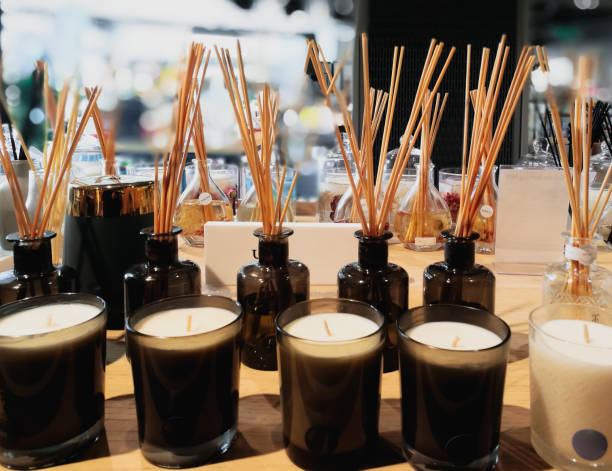
Define Procurement Needs: Product Positioning First
Before comparing suppliers and products, the purchasing party needs to clearly answer the following questions first:
What is the application scenario of the product? The requirements for diffuser bottles vary significantly in different scenarios: Home retail focuses on appearance and cost-effectiveness, and is suitable for standardized specifications and large-scale bulk purchases; hotels/ commercial spaces emphasize brand consistency, usually requiring customized printing or etching of the Logo; high-end gifts/makeup products emphasize fine craftsmanship and brand premium, and have higher requirements for surface treatment processes; OEM/ODM manufacturers need suppliers to have strong mold-making and customization capabilities.
What are the target price range and profit margin? The purchase cost of the aroma bottle usually accounts for 15% to 35% of the total cost of the product. Different product grades have direct constraints on the bottle design.
Is customization required? Customization demands (such as unique bottle shape, color, and logo) will significantly affect the minimum order quantity (MOQ) and delivery time, so it is necessary to plan ahead.
Glass Material and Craftsmanship: The Foundation of Quality
Comparison of Glass Types
Ordinary sodium calcium glass has low cost, high transparency, and moderate weight, making it suitable for mass consumer products and daily chemical retail; high borosilicate glass has good heat resistance and strong chemical stability, making it more suitable for essential oil-based aromatherapy products; crystalline glass has a high refractive index and luxurious visual effect, making it the preferred choice for high-end gifts and luxury items; colored/matte glass has good light-blocking properties and unique aesthetics, and is widely used in mid-to-high-end home furnishings and brand customization.Purchase Suggestions: The chemical stability of the essential oil components requires certain requirements for the glass. It is recommended to prioritize the use of high borosilicate glass or high-quality sodium calcium glass, as using materials that do not meet the standards may cause reactions between the fragrance and the container, affecting the product quality.
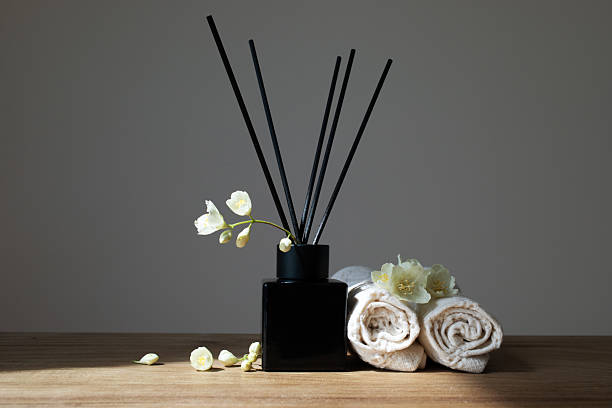
Key process indicators
Higher wall thickness uniformity results in better product consistency and lower breakage rate; the flatness of the opening directly affects the sealing performance and is crucial for leak prevention; regarding the rate of bubbles and impurities, high-end products should require suppliers to provide clear testing standards; surface treatment processes, including spraying, electroplating, sanding, etching, hot stamping, etc., directly affect the appearance and cost.
Bottle Type and Specification Selection: Balance of Function and Aesthetics
Among common bottle shapes, square/rectangular bottles have a stable visual appearance and are neatly displayed, making them suitable for supermarket shelves; round/cylindrical bottles are classic and versatile, with mature production processes and lower costs; irregular/custom-shaped bottles have high brand recognition, but the mold opening cost is higher; wide-mouth bottles (specifically for Reed Diffusers) are designed specifically for stick diffusers, and their standardized mouth diameter makes them easy to match.

In terms of volume, sizes under 50ml are suitable for travel/trial sizes, 50-200ml is the mainstream size for home fragrance diffusers, 200-500ml is suitable for commercial spaces and gift sets, and sizes over 500ml are mainly for hotel refills and large-space diffusers.
The bottle opening size must precisely match the matching stopper, nozzle, or reed diffuser cap. Common standard opening diameters are 18mm, 24mm, and 28mm. It is essential to confirm this with the accessory supplier during procurement to avoid mismatched use that could lead to seal failure.
Surface Treatment and Decoration Techniques: The Key to Brand Differentiation
For customers who value brand image, surface treatment techniques are often the core source of premium pricing: Screen printing/transfer printing is suitable for logo and pattern printing, with lower costs; Gold/ Silver stamping can create a metallic texture and a strong sense of luxury; Sandblasted spraying presents a matte texture and good light-blocking properties; Electroplating/metal coatings offer a luxurious effect but have higher costs and need to comply with environmental standards such as RoHS; Etching and engraving are suitable for permanent high-end customization; Full spray color offers strong individuality, and its weather resistance needs to be evaluated.

Note: Before conducting large-scale customization, be sure to request physical samples for adhesion tests, wear resistance tests, and chemical resistance tests, especially when the fragrance liquid may come into contact with the outer wall of the bottle.
Complementary Attachments: Unnoticeable Details
The complete product solution for the aroma bottle also includes the stopper and the sealing cap (such as cork, rubber stopper, aluminum screw cap, etc., which need to fit precisely with the bottle opening), the rattan stick/fragrance spreader (the material affects the speed of aroma diffusion), the dropper/pump head (it is necessary to confirm the material’s chemical compatibility with the fragrance), and the inner lining of the gift packaging, etc. It is recommended to plan them together with the main body of the bottle.
If a supplier with the ability to provide “bottle + accessories + packaging” integrated supply can be found, it can effectively reduce the communication costs and delivery risks of multiple purchases for all parties.
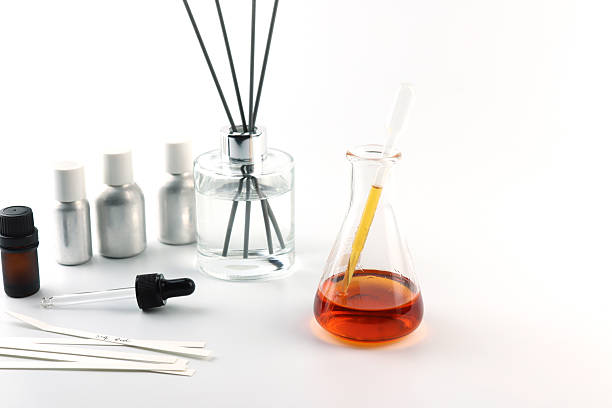
Supplier Evaluation: Comprehensive Consideration from Sample to Mass Production
In terms of production qualifications and quality systems, it is necessary to confirm whether ISO 9001 certification is available, whether there are complete IQC and OQC processes, and whether the products have passed EU environmental protection directives such as REACH and RoHS (especially for export products).
Regarding MOQ and price, the standard model MOQ is usually between 500 and 3,000 pieces, while the custom model (molding) MOQ is usually above 3,000 to 10,000 pieces. One should strive for tiered prices or annual framework agreements based on the annual purchase volume.
In terms of delivery time and supply stability, it is necessary to understand the current inventory status of the standard model, the capacity reservation mechanism during peak seasons (Q3-Q4), as well as the raw material sources and risk-resistance capabilities of the supplier.
In terms of custom development capabilities, it is necessary to understand whether there is the ability to independently mold, the new product development cycle (usually 45-90 days), and the sample-making fee policy.
In terms of after-sales and abnormal handling, it is necessary to clarify the compensation standard for damage rates (industry usually accepts 1-3% damage rates) and the quality objection handling process.
When conditions permit, it is recommended to conduct on-site factory audits of core suppliers, focusing on the automation level of furnaces and molding equipment, the configuration of detection equipment (thickness gauges, stress gauges, etc.), the skills and quality awareness of workers, as well as the storage and finished product protection conditions.
Selecting premium glass, Hengjing Glass crafts aesthetically pleasing aromatherapy containers. We specialize in custom-made aromatherapy bottles of all shapes, sizes, and finishes, catering to unique designs, surface treatments, and capacities. We maintain strict quality control and attention to detail, enhancing your aromatherapy products. Feel free to contact us to discuss collaboration.
Cost Control Strategy: Maximize Procurement Efficiency
- Specification standardization: Minimize the variety of bottle types, increase the centralized purchase volume, and enhance the bargaining power.
- Annual framework agreement: Sign annual frameworks with stable suppliers to lock in prices and agree on batch delivery, which can control costs while maintaining inventory flexibility.
- Reasonable planning of sample production schedule: Avoid frequent small-batch sample production and plan the new product development timeline in advance.
- Packaging and transportation optimization: Require suppliers to provide standardized inner and outer packaging solutions and clearly define the responsibility for damage under transportation conditions.
- Supplier combination strategy: Domestic suppliers are suitable for rapid response and mid-to-low-end demand. For high-end customization or export products, alternative suppliers from regions such as Eastern Europe can be considered.

Conclusion
The decision-making process for purchasing glass diffuser bottles is, on the surface, a selection of containers. But in essence, it is a comprehensive reflection of product strategy, brand positioning, and supply chain management. We suggest that B-end purchasing clients, before placing a formal bulk order, must complete the following five key steps: clearly define the product positioning and requirements list, compare at least three or more suppliers, request and test physical samples, review the supplier’s qualifications and quality system, and sign a purchase agreement with clear quality terms and delivery guarantee. Selecting the right bottle can multiply the value of the fragrance product by several times; choosing the wrong bottle may cause the carefully balanced aroma to lose its luster due to the poor quality of the container. We hope this guide can provide practical assistance for your purchasing work.