Within the competitive market for cosmetics packaging is much not just a container. It is a key element in establishing brand identity protecting the product, as well as the experience of customers. The best packaging materials will enhance your brand’s image as well as protect your brand’s integrity and influence buying decision-making.
Of all the packaging alternatives, glass and plastic remain the most popular material choices. But which is the best option for your cosmetics?
In this article we examine glass vs. plastic cosmetic packaging with respect to efficiency, cost branding, sustainability, and performance. We’ll help you make the best choice for your company.
What Is Glass Packaging?
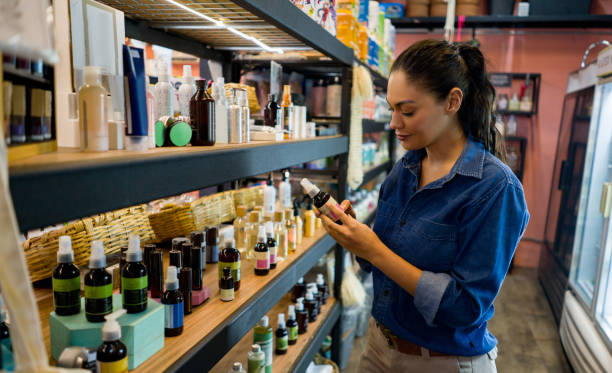
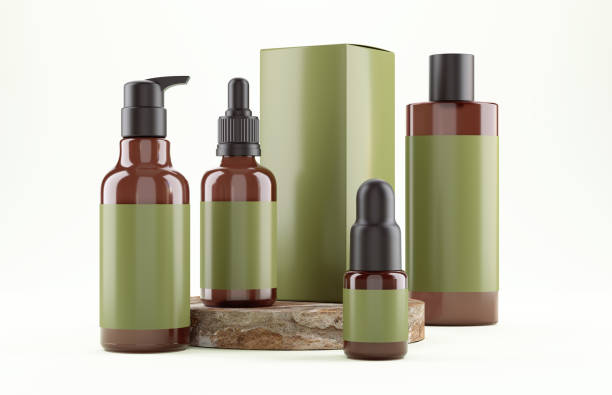
Glass packaging is extensively utilized in cosmetics of premium quality because of the chemical stability of its packaging, strength and upscale appearance. It is a popular choice for cosmetics such as essential oils, serums and perfumes.
Key Advantages of Glass Packaging
1. Premium Look and Feel
Glass offers a luxurious, high-quality appearance that enhances brand value. Frosted, coated, or electroplated finishes can further elevate the visual appeal.
2. Excellent Chemical Stability
Glass is non-reactive, making it ideal for formulas with active ingredients such as vitamin C, retinol, or essential oils.
3. Strong Barrier Protection
It provides excellent protection against air and moisture, helping extend product shelf life.
4. Eco-Friendly Material
Glass is 100% recyclable and can be reused indefinitely without quality loss.
Limitations of Glass Packaging
- Fragile and vulnerable to breaking
- The weight is greater, which means greater shipping costs.
- More expensive production and processing costs
What Is Plastic Packaging?
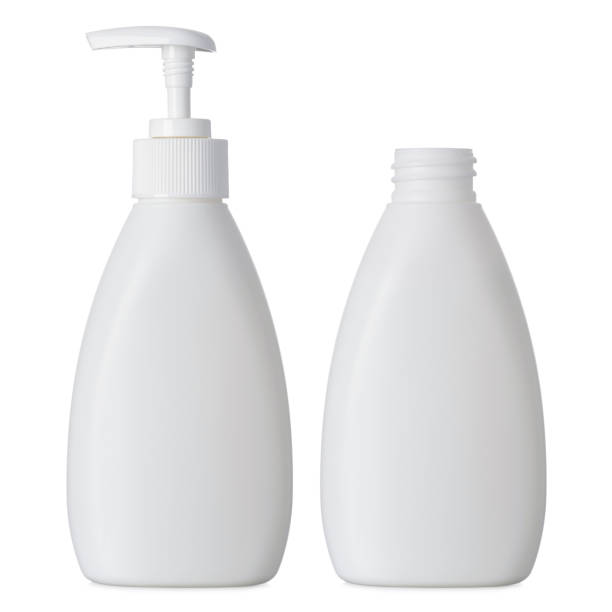
Plastic packaging is commonly used in mass-market and for functional cosmetics. Common materials include PET PE, PP along with the acrylic (PMMA).
Key Advantages of Plastic Packaging
1. Lightweight and Durable
Plastic is durable and suitable for daily use as well as shipping.
2. Cost-Effective
Lower logistics and production costs allow to use large scale manufacturing.
3. Flexible Design Options
Plastic can be used to create intricate shapes, squeezable bottles and a variety of innovative dispensing methods.
4. User-Friendly
It is easy for carrying, squeeze and use, particularly for cleansers, lotions, and shampoos.
Limitations of Plastic Packaging
- Might react with some active ingredients.
- Low perceived value in comparison to glass
- Environmental concerns arising from recycling limits
Glass vs Plastic Packaging
| Factor | Glass Packaging | Plastic Packaging |
| Appearance | Premium, high-end | Functional, versatile |
| Chemical Stability | Excellent | Moderate (material-dependent) |
| Cost | Higher | Lower |
| Weight | Heavy | Lightweight |
| Durability | Fragile | Impact-resistant |
| Sustainability | Highly recyclable | Limited recycling |
| Best For | Serums, perfumes, oils | Lotions, cleansers, mass products |
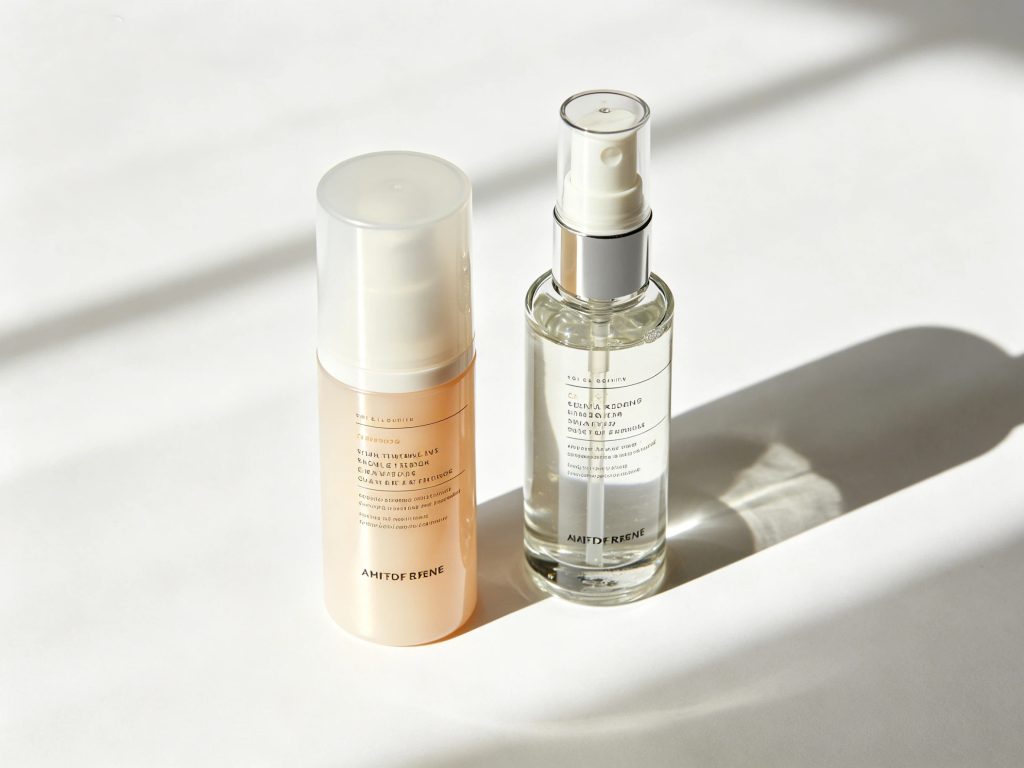
Which Packaging Is Best for Different Cosmetic Products?
Serums & Essential Oils
Best Choice: Glass
Glass is a great way to protect sensitive ingredients and improves the perceived value.
Perfumes
Best Choice: Glass
The elegant appearance and design flexibility make glass a must-have.
Creams & Lotions
Both Options Work
- Premium brands → Glass
- Mass-market brands → Plastic
Shampoos & Body Wash
Best Choice: Plastic
The durability and user-friendliness are the most important factors.
Travel Sizes & Samples
Best Choice: Plastic or Lightweight Glass
Cost efficiency and portability are the two factors that are the most important factors.
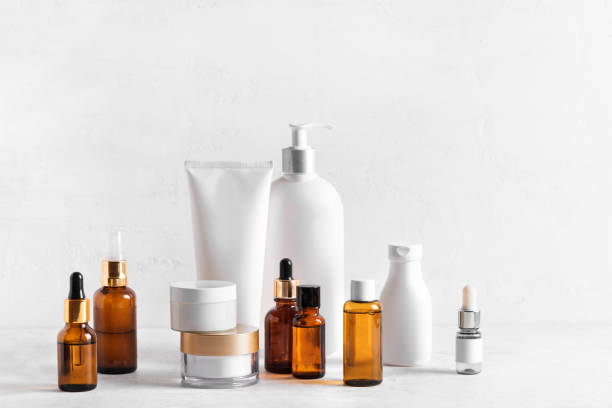
How Brand Positioning Affects Your Choice
Your packaging materials should be in line with your brand’s identity.
- Brands with a luxurious look prefer glass packaging
- Skincare brands that are functional typically opt for glass because of its stability as an ingredient.
- Brands with a mass market Lean towards plastic to reduce costs
- Eco-friendly brands Utilize recycling plastics or glass (PCR)
- Packaging is more than just functional. It tells your brand’s story.
Hybrid Packaging: A Growing Trend
Many brands are now combining both materials to balance cost and performance.
Common solutions include:
- Glass outer bottle + plastic inner container
- Glass bottle with plastic pump or dropper
- Refillable systems with replaceable plastic cartridges
This approach offers a premium look while improving functionality and cost efficiency.
How to Choose the Right Packaging for Your Brand
To make the best decision, consider:
- Product type (serum, lotion, perfume, etc.)
- Brand positioning (luxury vs mass market)
- Budget and order volume
- Target market regulations
- User experience and application
There is no one-size-fits-all solution—only the right fit for your brand.
Conclusion
The aesthetic appeal of glass packaging together with its high durability and environmental benefits makes it the ideal packaging material for cosmetics that require an upscale appearance.
Plastic packaging is flexible in its design, durability and cost-efficiency, which makes it the ideal choice for mass-market or useful products.
In the current market the most effective solution is usually the mixture of both customized to your company’s product and strategy.