Glass bottles exist as more than containers because they function as essential components in establishing a brand’s visual identity. Through different surface treatment processes, standard glass bottles undergo transformation into packaging materials that display premium texture and enable brand identification and market competitiveness. The surface treatment process for glass bottles serves as a vital procedure that increases product value across the cosmetics industry and perfume industry and beverage industry and food industry.
This article will systematically introduce the common surface treatment types, process principles, advantages and disadvantages, as well as applicable scenarios of glass bottles, to assist brand owners and purchasers in choosing the most suitable customization plan.
Why Glass Surface Treatment Is So Important?
The surface treatment of glass bottles not only affects their visual appearance but also determines their brand positioning and customer experience. Unprocessed transparent glass bottles, although having a lower cost, lack visual appeal and brand recognition in a highly competitive market.
Surface treatment can significantly enhance the texture of glass bottles, making them present a frosted, metallic luster, color coating, or three-dimensional texture effect, thereby strengthening the brand style. High-end skincare products use frosted or electroplating processes to create luxury and professional appearance which contrasts with the beverage and food industries that prefer screen printing or spraying methods to display brand information.
In addition, surface treatment can also enhance the wear resistance, anti-slip performance, and UV resistance of glass bottles, improving packaging performance in both functionality and aesthetics.
Surface Decoration And Beautification
The decoration and beautification type is the most common type of surface treatment for glass bottles. The core purpose is to enhance the appearance, highlight the brand characteristics, and make the product stand out among its peers. It is mostly used in high-end packaging, gift packaging and other scenarios.
Spraying / Painting Treatment
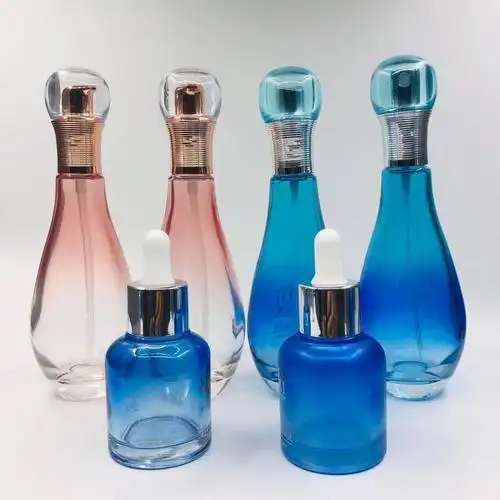
Spraying is one of the most common surface treatment methods for glass bottles. Using a spray gun, the coating is evenly applied to the glass surface and then solidified at high temperature to form a stable layer.
This process can achieve various colors, including:
- Translucent color
- Solid color (white, black, etc.)
- Gradient color
Sprayed glass bottles are widely used in the cosmetics, perfume and beverage industries. Their advantages lie in the wide range of color options, moderate cost, and suitability for large-scale production. Additionally, the sprayed coating can enhance the scratch resistance of the glass bottles.
Gold or Silver Embossing Treatment
The process of pressing a metal foil (usually gold or silver) onto the surface of glass through heating.
This process is often used for:
- Logo decoration
- Brand names
- Decorative patterns
Hot stamping has a strong metallic texture and a luxurious visual effect, and is a common choice for high-end packaging.
Silk Screen Printing
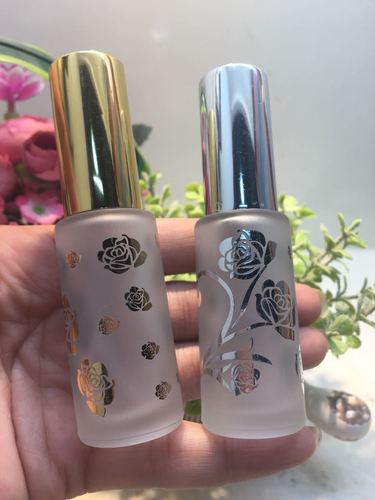
Screen printing is a process that transfers ink through a screen template onto the surface of glass bottles. It is mainly used for printing logos, text and patterns, and is suitable for various bottle shapes (round, square, and irregular shapes).
This process has the following advantages:
- High printing accuracy
- Clear and durable patterns
- Not prone to falling off
Screen printing is suitable for printing brand logos, product names, capacity indicators, etc. It is one of the most commonly used decoration methods for beverage bottles, medicine bottles and cosmetic bottles.
Decal/Baking Treatment
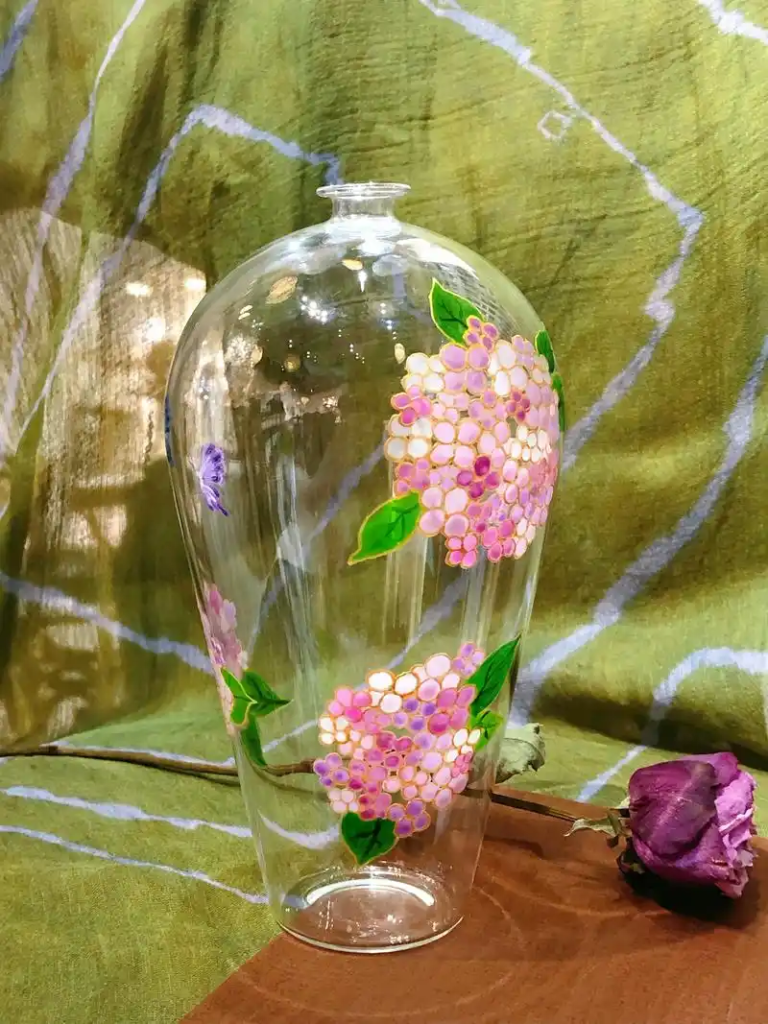
First, attach the pre-designed decal paper to the surface of the glass bottle. Then, through high-temperature baking, the decal pattern will be fused with the glass surface, creating a permanent decorative effect.
The advantages of this processing method are:
The patterns are fine and the colors are rich
It is wear-resistant and does not fade or stain, and it is also easy to clean
Electroplating
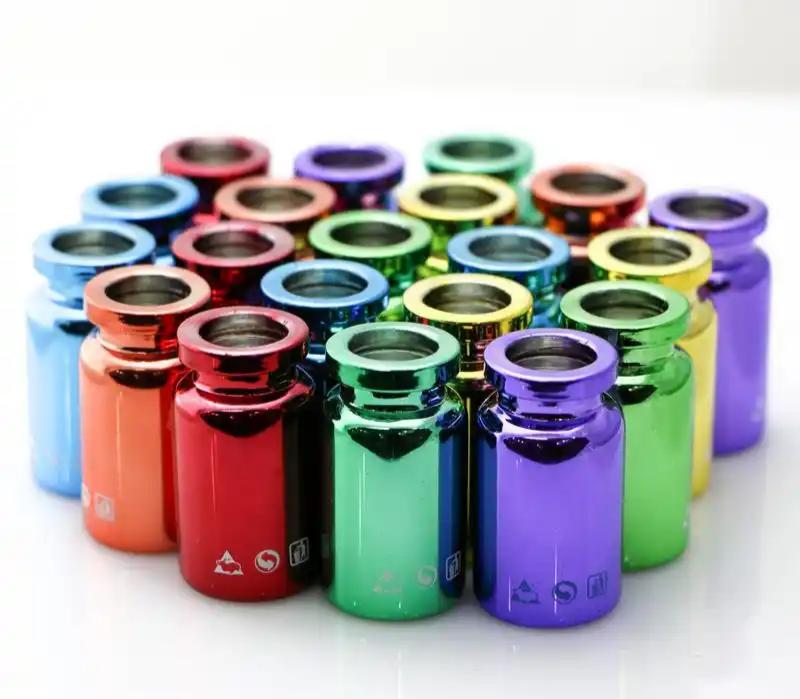
The electroplating process deposits a layer of metal film on the surface of the glass, giving the glass bottles a mirror-like or metallic luster effect.
Common electroplating colors include:
- Silver
- Gold
- Rose gold
- Mirror black
Electroplated glass bottles are widely used for perfume and high-end cosmetic packaging. Their appearance is highly technological and luxurious, and can instantly enhance the visual impact of the products.
Functional Protection
Functional protection surface treatment aims to address the pain points in the use of glass bottles (such as easy slipping, easy scratching, and easy dirt accumulation), enhancing the practicality and durability of the products. It is mainly used for glass bottles with high daily usage frequency and safety requirements.
Frosting/Matte Treatment
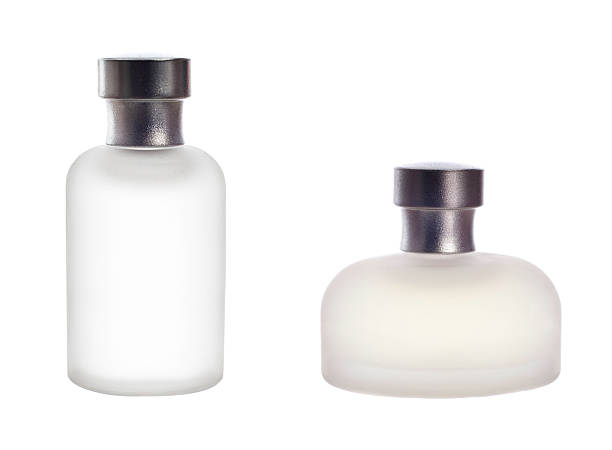
The process uses acid etching and sandblasting to achieve a uniform matte texture on glass bottles. The system protects content visibility for privacy reasons while it stops fingerprint and reflection detection and provides better grip to users who handle the bottles because of their smooth surfaces.
Scratch-Resistant/Wear-Resistant Coating Treatment
The application of a special wear-resistant coating which includes silicon-based coating and polyurethane coating to glass bottles will result in increased surface hardness and reduced scratch damage during transportation and storage and product usage while maintaining the bottles visual appearance and extending their operational lifespan.
Anti-Slip Treatment
To address the problem of glass bottles being prone to slipping, rough treatment is applied to specific parts of the bottle (usually the neck and the middle part of the body) by methods such as rolling patterns or applying anti-slip coatings. This enhances the friction during holding, preventing the bottle from breaking due to hand slipping, and also improves the comfort during use. The anti-slip treatment is simple in process and low in cost, making it a highly practical surface treatment method.
Glass Body Modification
This type of treatment mainly targets the surface defects of the glass body. It improves the flatness and cleanliness of the glass surface through physical or chemical methods, laying the foundation for subsequent decorative or functional processing. It is an important pre-treatment step in the production process of glass bottles.
Polishing Treatment
There are two methods: flame polishing and cold polishing. The technique of flame polishing requires the use of a high-temperature flame which burns the glass bottle surface to achieve smoothness and transparency. The method allows for the removal of small scratches together with sharp edges which exist on the surface of the bottle. The process of cold polishing uses chemical agents together with physical abrasion methods to achieve better flatness results on glass surfaces, thus making the bottle body more transparent and shinier.
Pickling Treatment
Place the glass bottle in an acidic solution for soaking, to remove the mold marks, impurities, oxide layer and minor flaws on the glass surface, improving the cleanliness and smoothness of the glass surface, and enhancing the adhesion of the glass surface, providing a better foundation for subsequent spraying, printing and other treatments. Acid washing treatment is an indispensable pre-treatment step in the production of glass bottles, which can effectively improve the overall quality of the products.
Special Effect Treatment
With the diversification of market demands, special-effect surface treatments have gradually become a trend. They can create unique visual effects or special functions for products, meeting the demands for personalization and high-endization.
Laser/Engraving Treatment
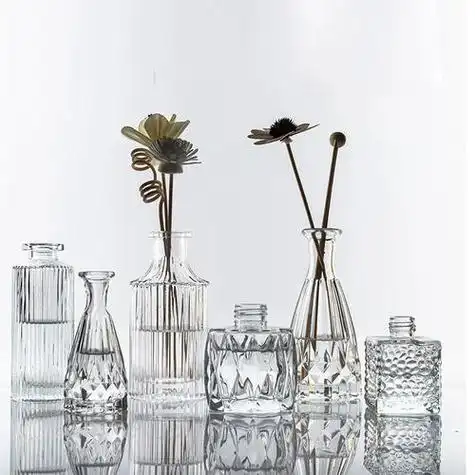
Using laser technology to mark, engrave or carve on the surface of glass bottles, the patterns are fine and the lines are smooth. It is a permanent marking that is not prone to wear or fading. Laser/engraving processing can achieve personalized customization (such as engraving, exclusive patterns), with environmentally friendly and efficient processes, suitable for small batch customization or personalized decoration of high-end products.
Gradient Effect Treatment
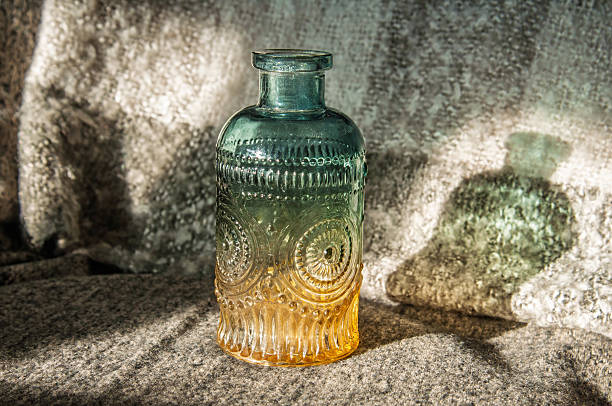
Through a special spraying process, a gradient color effect is created on the surface of the glass bottle (such as from light to dark, or from one color to another). The visual effect is fashionable and dynamic, meeting the aesthetic preferences of young consumers nowadays. It is a popular choice for cosmetics and beverage packaging. The gradient effect can be combined with spraying, electroplating and other methods to create a more three-dimensional appearance.
Antibacterial/Easy-Clean Coating Treatment
Spraying an antibacterial coating (such as a silver ion coating) on the surface of a glass bottle can inhibit the growth of bacteria, keep the bottle clean, and also have the feature of easy cleaning. It is not prone to staining or scale, and is more convenient to clean. This treatment method complies with the hygiene requirements of the food and pharmaceutical industries and can enhance the safety of the product.
How to Choose the Right Glass Bottle Surface Treatment for Different Scenarios?
When choosing the surface treatment process, it is necessary to comprehensively consider the product positioning, budget and brand style.
If the product is targeted at the high-end market, matte finish, electroplating and foil stamping are ideal choices. These processes can significantly enhance the packaging grade.
For cost-sensitive products, spraying and screen printing are more economical solutions, while still providing good visual effects.
If the brand wants to highlight uniqueness, laser engraving and local sandblasting can achieve highly personalized customization.
In addition, multiple processes can be combined, such as:
- Spraying + Screen Printing
- Matte Finish + Foil Stamping
- Spraying + UV Coating
The combined processes can further improve the packaging quality and brand image.
Reasonable selection of the surface treatment method for glass bottles not only enhances the appearance and practicality of the product, but also reduces production costs and improves market competitiveness.