In the present day fast-moving consumer goods and high-end product market packaging functions as more than a basic container because it serves as an essential component of brand identity. The design of perfume displays in stores and supermarket displays of glass bottles creates an automatic brand selection process that operates at a subconscious level for customers.
Frosted glass bottles and clear glass bottles are the two most common types of glass packaging in the market. The two products exhibit different visual effects and functional abilities because their manufacturing methods create distinct visual characteristics and operational capabilities. The brand benefits from selecting the appropriate option, but the product will be incorrectly identified by consumers if they choose the incorrect option.
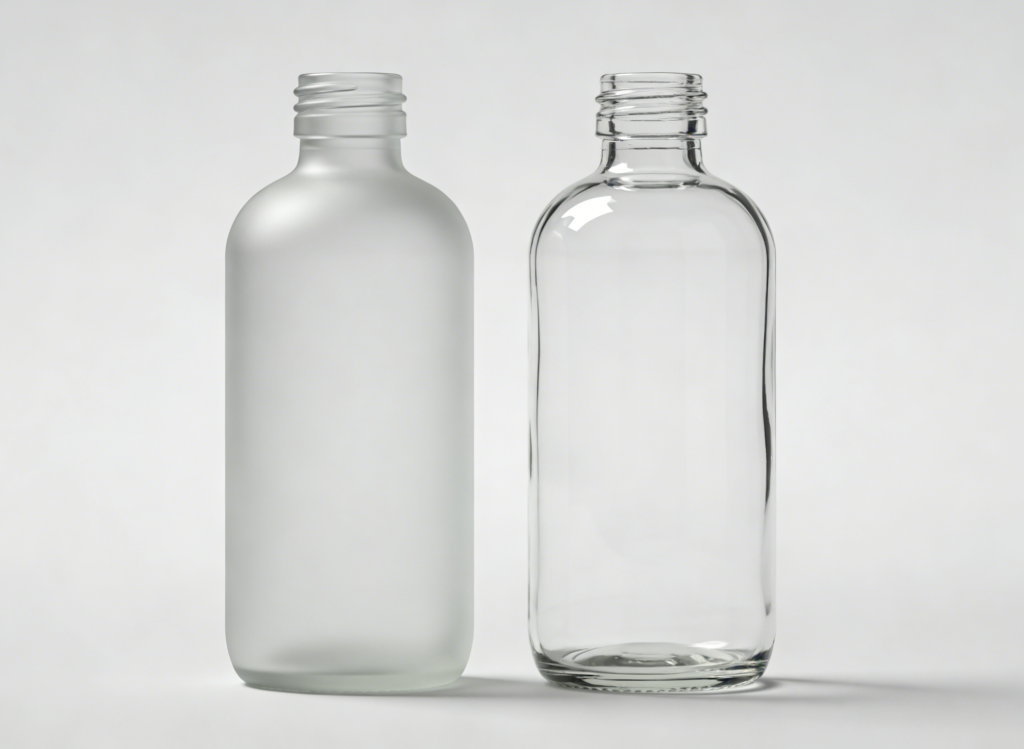
The Craftsmanship and Characteristics of the Two Types of Glass Bottles
Before making a choice, let’s understand the manufacturing logic and natural properties of each type of bottle.
Frosted Glass Bottle
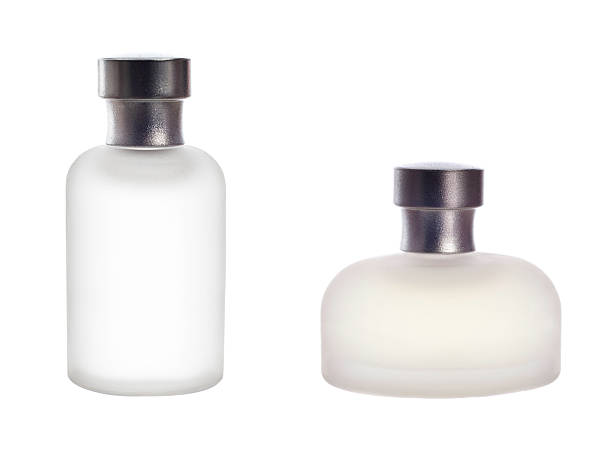
Through the process of sandblasting or frosting (hydrofluoric acid treatment), the surface of the glass is microscopically roughened, causing the light to produce diffuse reflection.
The appearance has a matte texture, with a delicate and warm touch. The overall style is low-key and restrained.
It has strong light-blocking properties, effectively blocking some ultraviolet rays and protecting the photosensitive contents.
The contents are not visible, giving a natural sense of mystery and privacy.
It is commonly used in high-end skincare products, perfumes, essential oils, and fine spirits packaging.
Clear Glass Bottle
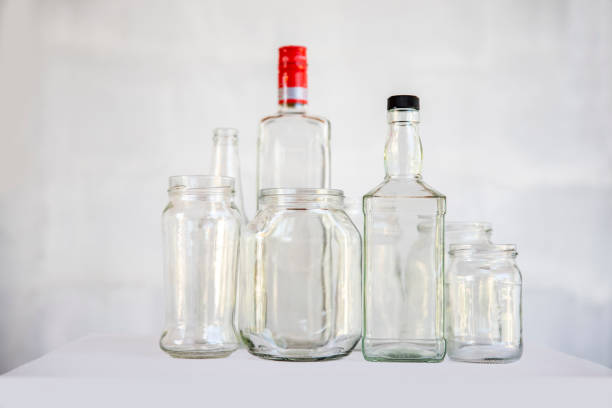
Utilizing standard molding or blowing techniques, it retains the natural transparency of glass
The appearance is bright and lustrous, with strong refractive effect, presenting a clean and refreshing visual effect
The contents are fully visible, facilitating consumers to intuitively judge the color, texture and remaining quantity
The light-blocking property is weak, suitable for products that are not sensitive to light or have a short shelf life
It is widely used in mass consumer products such as food and beverages, jam, honey, personal care products, etc.
Frosted Glass Bottles vs Clear Glass Bottles:Core Comparison
| Comparison dimension | Frosted glass bottle | Clear glass bottle |
| Visual style | Low-key, matte finish, luxurious feel | Clear, lustrous, bright appearance |
| Sun protection and shading | Strong, suitable for photosensitive products | Weaker, requires additional shading treatment |
| Content display | Invisible, strong sense of mystery | Fully visible, clear and intuitive |
| Printing and decoration | Requires special processes such as UV printing or film application | Can be labeled with ordinary labels, flexible in process |
| Production and Costs | This requires additional physical polishing or chemical etching processes on top of the clear glass bottle, resulting in a slightly higher overall cost. | A different method, which requires no additional surface treatment and is directly made from melted and shaped glass raw materials, is simpler, easier to mass-produce, more efficient, and cheaper. |
| Daily maintenance | Easy to leave fingerprints, difficult to clean | Easy to show water stains, requires wiping |
The differences between the two bottle designs are not only in appearance, but also in the signals of product positioning. As soon as consumers pick up a bottle of product, the texture of the packaging has unconsciously conveyed their expectations of price and brand hierarchy.
Which Scenarios Are They Best Suited For?
There is no perfect packaging, only the most suitable packaging. Below are scenario-based suggestions based on two dimensions: product category and brand characteristics.
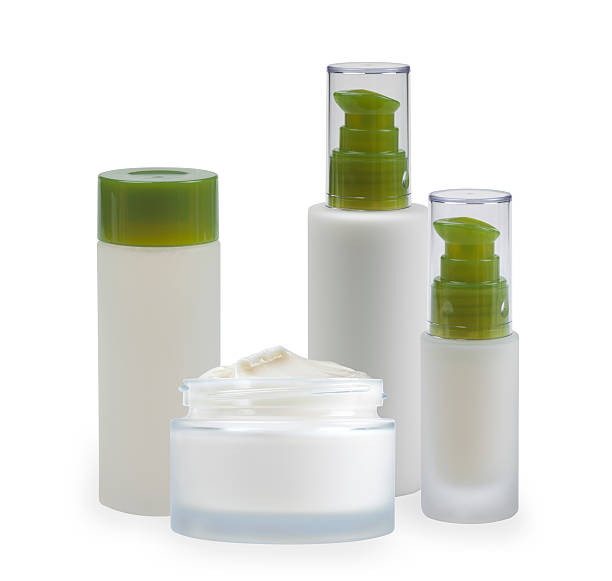
Frosted glass bottles are more suitable
High-end skin care products: essences, creams, ampoules
Perfumes and aromatherapy products
Essential oils, plant extracts
High-end spirits and craft beverages
Small niche fragrances, salon brands
Products that pursue a high-end brand image and differentiation
Clear glass bottles are more suitable
Food and beverages: juices, drinks, vinegar
Jam, honey, seasonings
General personal care products
Products that need to display the color of the contents
Fast-moving consumer goods that focus on cost-effectiveness
Products where consumers need to determine the remaining quantity
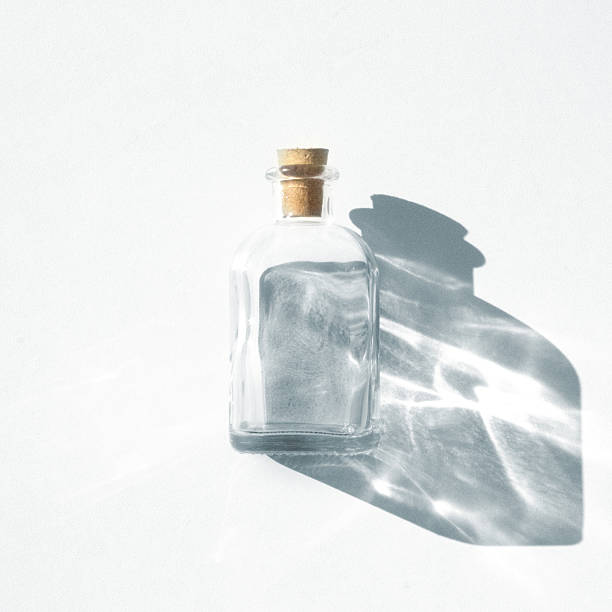
It is worth noting that these two forms are not mutually exclusive. In recent years, more and more brands have begun to adopt the combined design of a frosted bottle body and a clear window – this design not only retains the sophistication brought by the frosted texture, but also showcases the texture and color of the contents through the partially clear areas, achieving a balance between aesthetics and functionality.
Find Your Answer
No matter how many theories there are, a set of actionable decision-making paths is more helpful. Before making the final choice, consider answering the following four questions one by one:
1. Product attributes: Does the content need to be protected from light? Is it necessary to be visible?
If a product contains photosensitive ingredients which include vitamin C and retinol and essential oils then it should be used with either a scrub or a dark bottle; the product’s color serves as its main selling point because it contains natural honey and juice which a clear bottle displays.
2. Brand Positioning: What do you want consumers to perceive at first glance?
The frosted bottle texture design matches the brand tone which defines itself as “luxurious, restrained, and exquisite”. Clear bottle design better communicates the message which has “fresh, natural, and approachable” characteristics.
3. Target consumers: What are their aesthetic preferences and shopping decision-making logic?
Young consumers are more sensitive to design and photo effects; mature consumers, on the other hand, pay more attention to functionality and brand trust. The ritualistic sense of the frosted bottles and the practicality of the clear bottles correspond to different consumer psychology.
4. Budget Cost: What process can the packaging investment support?
The sandblasting process usually costs 15% to 40% more than clear glass. The assessment needs to evaluate two factors: product profit margin and brand ability to charge premium prices. A clear bottle with an exquisite label will create a high-quality visual presentation when the budget is restricted.
Whether you need transparent glass bottles or frosted glass bottles, Hengjing Glass can offer professional customization services. Relying on a mature production line, we achieve low production difficulty, high production efficiency, lower costs, and higher cost performance. From sample production to batch delivery, the process is stable and controllable. We support specification customization, process processing, and large-scale supply, providing you with high-performance and high-efficiency glass container solutions for your product packaging.