
As consumers’ awareness of food safety and eco-friendly packaging continues to rise, glass bottles have gradually become a popular choice for food and beverage packaging. From juices, honey to olive oil, sauces, and various dry foods, more and more brands are inclined to use glass packaging. So, are glass bottles suitable for storing food? The answer is yes, but only if they are chosen from glass bottles that meet food-grade standards and are paired with the appropriate sealing methods.
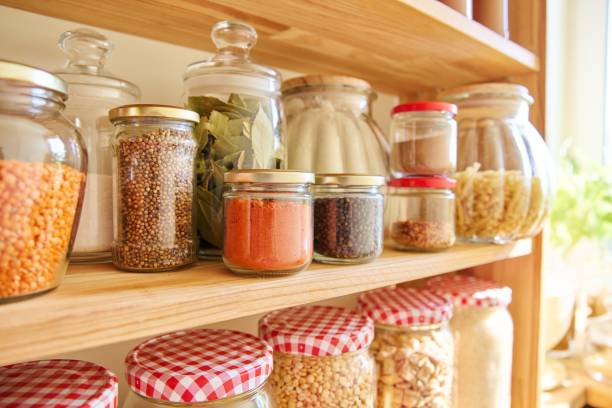
Why Are Glass Bottles Safe for Food Storage?
High-quality food-grade glass bottles have pretty stable chemical properties, they do not react with the food, and they don’t end up releasing dangerous substances, so in practice they are used a lot in the food, beverage, and condiment industries.
Compared to some plastic packaging, glass bottles have the following advantages:
1. Chemically stable and unlikely to react
Glass is a non-reactive material. Even when storing acidic or alkaline foods, it will not affect the quality of the food. For example, vinegar, lemon juice, tomato sauce, jam and pickled foods, etc., can all be safely stored in glass bottles without causing any odor or chemical migration.
2. Free of harmful substances such as BPA
Food-grade glass bottles are kind of naturally free of the usual plastic additives, like BPA (bisphenol A) and phthalates, and they also don’t give off microplastics. So, they tend to be a more good choice for keeping food and drinks for a long time, without worry.
3. Resists odor and color absorption
The glass itself has a dense smooth surface, it does not really take in oils, colors or smells very easily. Even if you store coffee, spices, honey or cooking oil in them, after washing you should not notice leftover odors, and the original taste of the food can stay preserved.
4. Easy to clean and disinfect
Glass bottles are resistant to high temperatures and can be cleaned and disinfected using boiling water, steam or a dishwasher. They are highly suitable for food packaging that needs to be reused and help maintain hygiene and safety.
What Foods Can Be Stored in Glass Bottles?
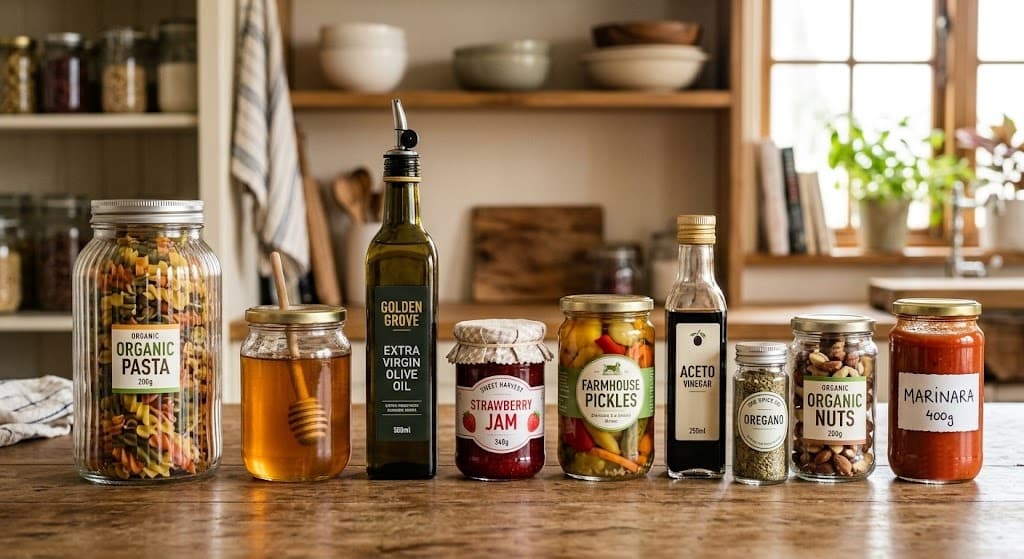
Glass bottles are suitable for most foods and beverages, and are particularly suitable for the following products:
- Drinking water and mineral water
- Juices, fruit teas and other beverages
- Milk and dairy products
- Oils, olive oil
- Seasonings such as vinegar and soy sauce
- Honey, syrup
- Jams, tomato sauce and other sauces
- Spices, tea, coffee beans
- Dry food items such as nuts and grains
- Pickles, pickled foods
For foods that need to be stored for a long time, it is recommended to use metal lids or screw caps with good sealing performance to prevent air and moisture from entering, thereby extending the shelf life of the products.
Which Type of Glass Is Best for Food Storage?
Currently, there are two main types of glass commonly used in food packaging.
Soda Lime Glass is probably the most common material in the food packaging industry, it’s used everywhere i guess. It has low cost, high transparency and pretty good processing performance, so you see it in beverage bottles , seasoning bottles, honey bottles, and also in food cans.
Borosilicate Glass, tends to do better when it comes to heat resistance and it also resists cold to hot shock in a more stable way. That makes it a good pick for food containers where high temperature filling happens, or where the contents get heated repeatedly. The only real downside is that the cost is higher compared with soda lime glass, so people use it more selectively.
Furthermore, some foods (such as olive oil, wine and certain beverages) are packaged in brown glass bottles to minimize the impact of ultraviolet rays on the quality of the products.
Are All Glass Bottles Food Grade?
The answer is negative.
Not all glass bottles meet the requirements for food packaging. Some decorative glass bottles, artisanal glass products, or those of unknown origin may not comply with food safety standards and should not be directly used for food storage.
When choosing food packaging glass bottles, the following points should be given special attention:
- Whether to use food-grade glass materials
- Whether it is lead-free glass
- Whether it is produced by a regular glass packaging factory
- Whether it complies with relevant food contact material standards
- Whether it is equipped with food-grade sealing caps
For food brand and packaging purchasers, choosing experienced glass bottle manufacturers can better ensure product quality and food safety.
What Makes a Glass Bottle Food Safe?
Although plastic bottles are lightweight and have lower transportation costs, glass bottles still have significant advantages in food packaging.
Firstly, glass does not release any chemicals, making it safer for long-term storage of food. Secondly, glass can better preserve the original flavor of the food and does not absorb odors. At the same time, glass has a higher recycling rate and is more in line with the current trend of green and environmentally friendly packaging.
Furthermore, glass packaging usually has a higher quality and transparency, which helps enhance the product’s grade and brand image. As a result, it is increasingly favored by many brands in the high-end food, beverage and seasoning product markets.
How to Choose the Right Food-Grade Glass Bottles?
When purchasing food packaging glass bottles, consider the following key aspects:
- Choose the appropriate bottle shape and capacity based on the product;
- Choose clear or amber glass based on the characteristics of the food;
- Use high-sealing caps to ensure good leak-proof and freshness preservation effects;
- Select manufacturers that support customized bottle shapes, printing, coating, and labeling to meet brand packaging needs;
- Prioritize glass bottle suppliers with a complete quality management system and export experience.
Conclusion
Overall, food-grade glass bottles are currently one of the safest and most environmentally friendly containers for storing food. They have the advantages of stable chemical properties, no harmful substances, no odor adsorption, easy cleaning, and recyclability, and are suitable for packaging beverages, honey, cooking oil, seasonings, jams, and various foods.
For food brands, selecting good quality food grade glass bottles isn’t just about product safety and keeping it fresh longer , it also lifts the product’s overall tier and builds consumer confidence. If you’re hunting for a food packaging solution, then working together with a professional glass bottle manufacturer makes sense. Then customize the glass packaging so it matches the brand positioning , and that should help the product stand out and perform better in the market.