In the world of cosmetic packaging, a lotion bottle pulls triple duty. It protects the formula. It dispenses cleanly. And it carries the brand’s visual identity.
For buyers, the sourcing decision goes way beyond picking a shape that looks good. One misstep, whether in spec, production, or logistics, ripples straight into launch timelines and inventory costs.
This guide is built on actual product specifications. We’ll walk through four angles that matter: why glass makes sense, how to lock in your glass lotion bottles specs, what customization actually involves, and how to size up a manufacturer before you commit.
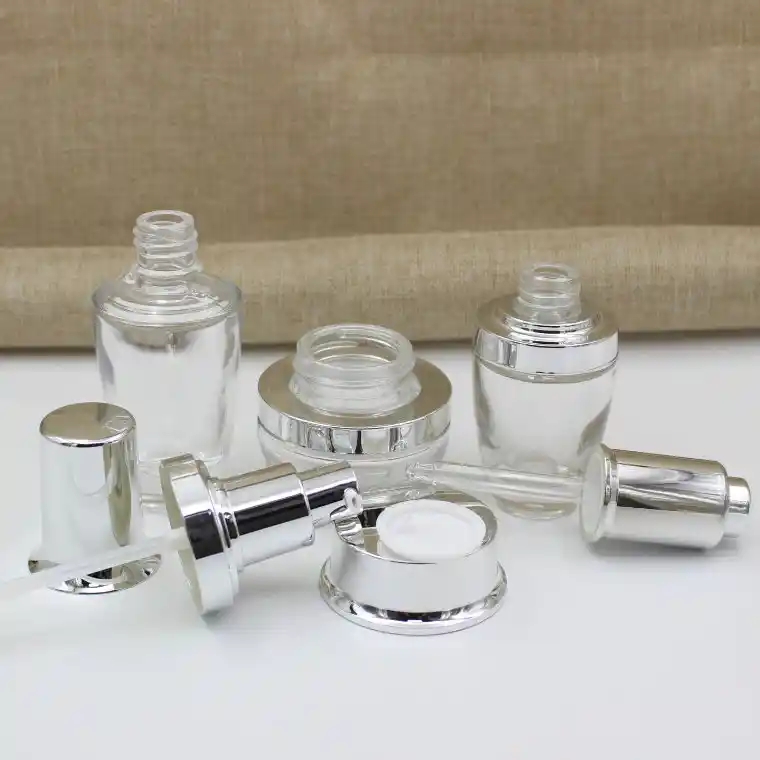
Why Choose Glass Lotion Bottles?
Glass, of course, isn’t the only game in town. Plastic dominates the mass market with low unit cost and shatter resistance. Metal, aluminum in particular, has carved out a niche in select premium lines. But after a quick comparison, glass tends to stand apart. Here’s where it shines.
A Brief Word On Glass vs Plastic vs Metal.
Plastic, think PET, PP, acrylic, is cheap, light, and doesn’t break when dropped. The trade off? It feels light in the hand, and certain formulations, especially actives, face potential adsorption or migration risks.
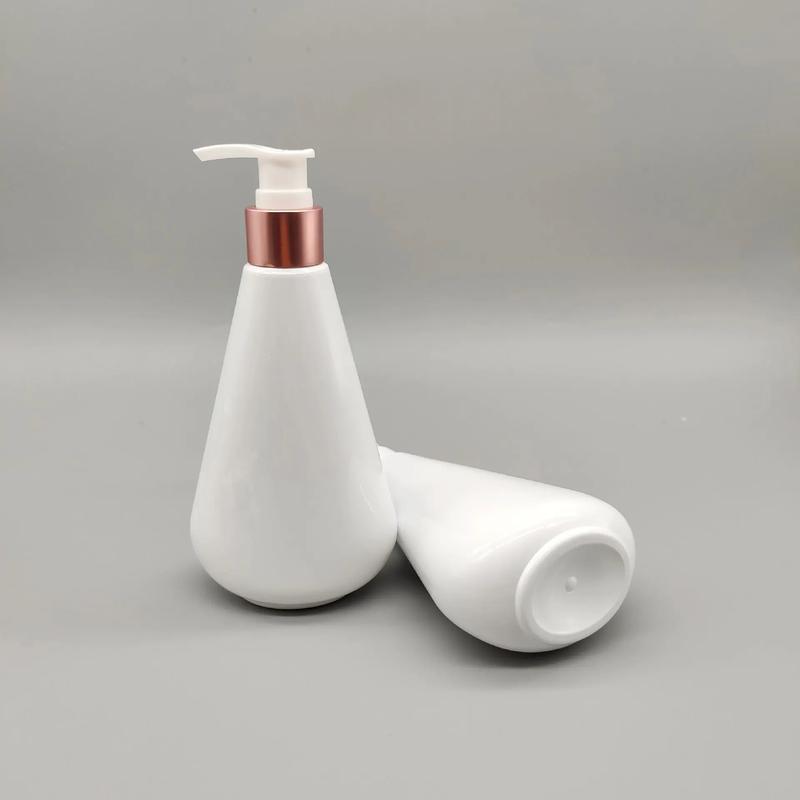
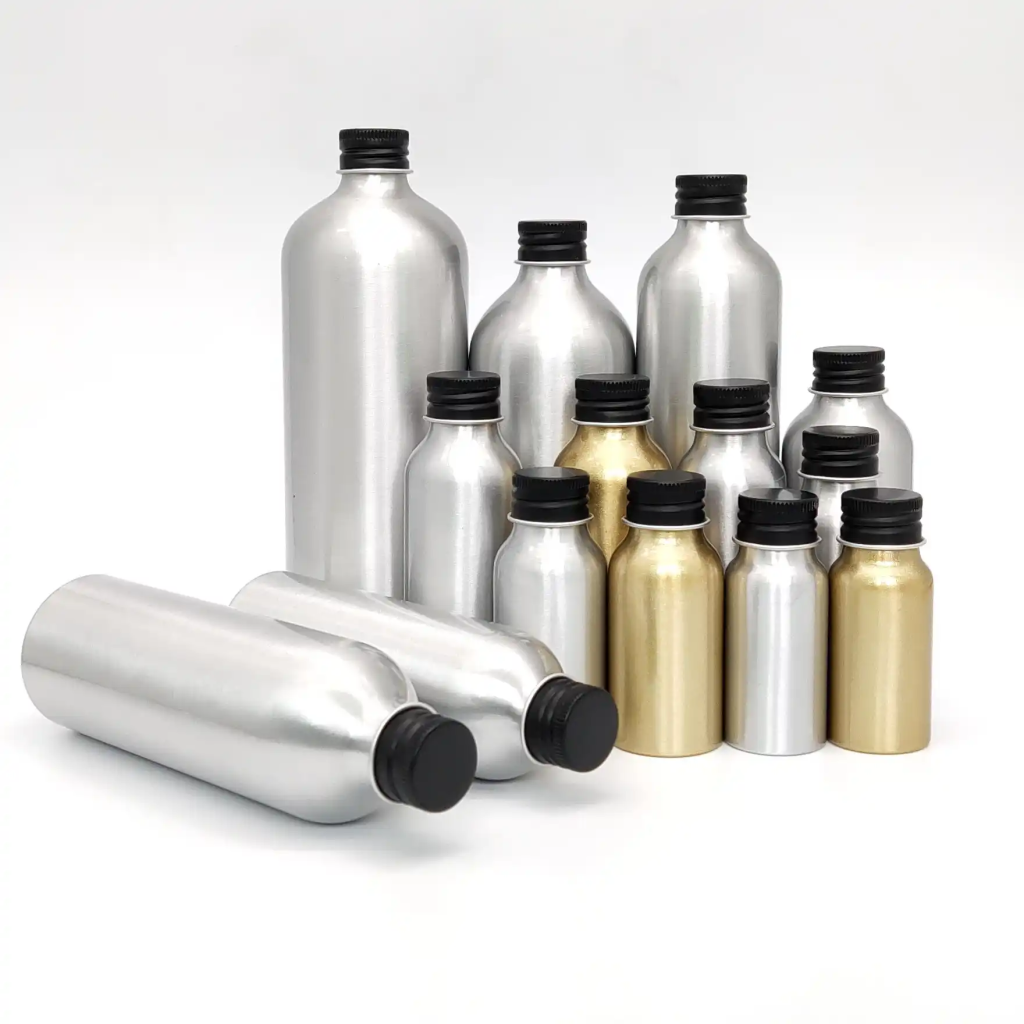
Metal, aluminum or stainless, brings strength and excellent light blocking. The obvious limitation? Zero visibility. Consumers can’t see the product inside. You also need internal coatings, which can be a headache with acidic or active heavy formulas.
Glass brings a different set of strengths to the table. Four of them, specifically.
Weight And Feel. A Signal Of Quality You Can Touch.
Glass sits at around 2.5 g/cm³. That’s one and a half to two times denser than most plastics. The moment someone lifts a glass bottle, that cool, substantial heft registers. Metal is heavy too, sure. But it feels cold, hard. Glass has a certain warmth to it.
Chemical Stability. An Inert Home For Sensitive Formulas.
Glass is inorganic. Non porous. It doesn’t react, doesn’t adsorb, doesn’t leach. For any formula packing vitamin C, retinol, AHAs, or delicate botanicals, a lotion in glass bottle stays stable far longer on the shelf. That’s peace of mind from packaging alone.
Transparency. The Product Speaks For Itself.
High white and crystal white glass offer excellent clarity. Color, texture, viscosity, it’s all visible. The packaging doesn’t shout, it reveals. Metal hides everything behind a label. Plastic, over time, scratches and clouds.
What Happens After Use.
Glass recycles. Fully. Closed loop. Melt it down, make new bottles, no loss in quality. In markets like the EU and North America, that kind of sustainability credential is quickly becoming table stakes.
Types of Glass Lotion Bottles
Before you get into logos and colors, you need the foundation right. Capacity. Shape. Neck finish. These three dictate everything from filling line speed to shipping cost to how the bottle actually feels on a vanity.
Capacity: what range are we talking?
Most glass lotion bottles land between 30ml and 140ml. Industry practice gives us a rough playbook:
30ml to 50ml: The portable tier. Travel sizes. Trial samples. High potency serums or eye creams where a single use is just a few drops.
100ml to 140ml: The daily driver tier. Body lotions. Hand creams. Toners. Emulsions. Products meant to be reached for over and over.
Take a look at two reference points from Hengjing Glass:
| Model | Capacity | Height | Max Diameter | Profile |
| HJ-X031 | 50ml | 46.5mm | 76.7mm | Low center, wide body |
| HJ-X014 | 120ml | 156.6mm | 42.5mm | Tall, slender silhouette |
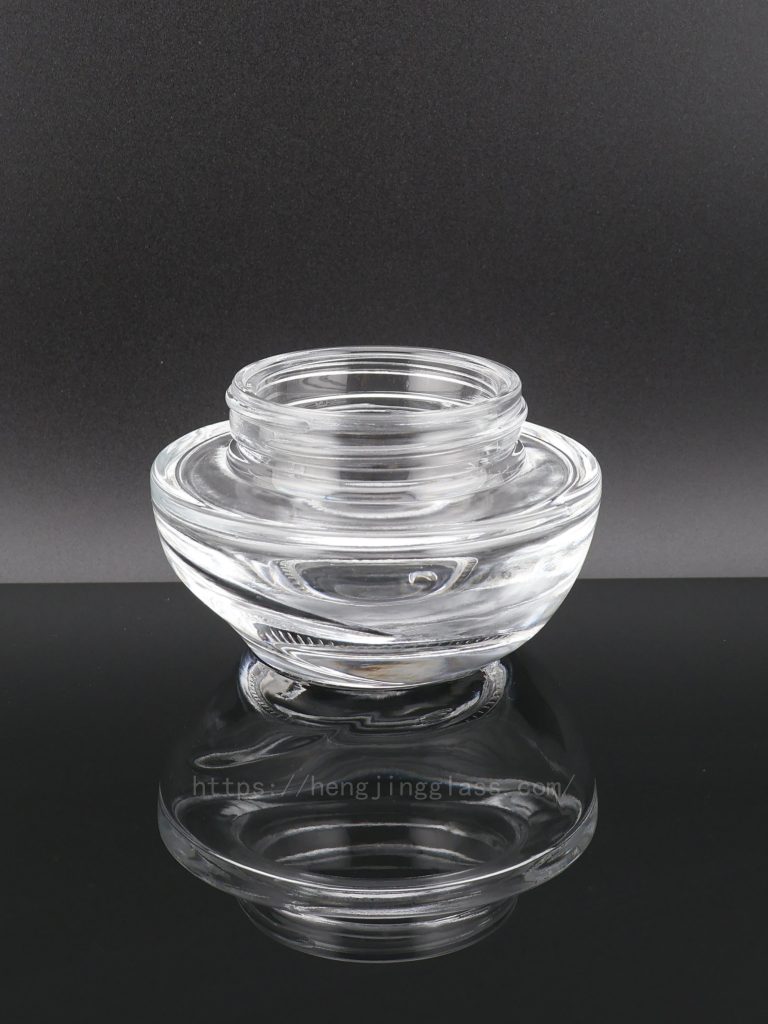
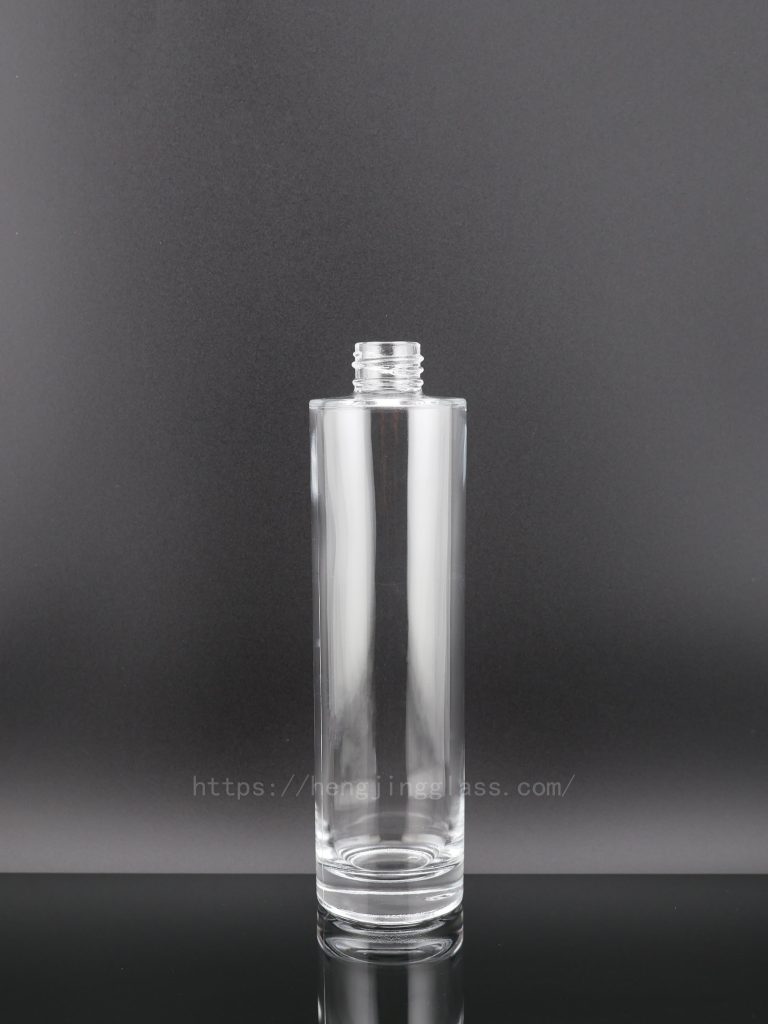
When you’re selecting, keep your filling line compatibility in mind, and how the bottle will read on a crowded shelf.
Bottle shape: more than just looks.
Round bottles are familiar. Comfortable. They’re the default for good reason. Square bottles maximize shelf real estate, more units per linear foot. Then you’ve got flat squares, ovals, flat rounds, shapes that offer a bit of distinction without reinventing the wheel.
Neck finish: the detail that can leak if ignored.
Most lotion bottles use a thread finish, screw neck. Works with standard caps or lotion pumps. One catch: thread specs aren’t universal. GPI, DIN, other standards. The fit between neck and pump needs to be verified at the sampling stage. Better to catch it then than in a warehouse full of leaking inventory.
Custom Glass Lotion Bottles Options
When stock molds won’t do the job, customization is where things get interesting.
Color: beyond clear.
The industry palette includes transparent, gold, red, black, white, colored, and gradient effects. Gradients, in particular, create a color shift from dark to light across the bottle surface. Usually no new tooling required. Which colors are actually available depends on the supplier’s capabilities. Confirm matching during inquiry.
Surface decoration: matching process to desired effect.
Different outcomes call for different techniques:
| Desired Look | Process |
| Metallic logo (gold, silver) | Electroplating |
| Multi color graphics | Screen printing |
| Uniform matte finish | Spray painting |
| Raised, tactile text or pattern | Laser engraving / Hand engraving |
| Decoration that survives the dishwasher | Firing decals |
| Smooth, polished rim | Grinding and polishing |
Nail down process feasibility and pricing early in the design phase.
Logo customization and sampling flow.
Logo work is standard. The typical flow: client submits artwork or sketch, then design team produces technical drawings and a 3D model, then a physical pre production sample is made for approval, and once signed off, mass production kicks in. Keeping the design team in house helps protect confidentiality along the way.
Material options: what the bottle is actually made of.
Common choices in cosmetic glass:
Soda lime glass: Most common. Affordable. Good clarity, easy to form. Works well for high volume, value driven lines.
High white glass: Reduced iron content means less green tint, better brightness. The go to for mainstream cosmetic packaging.
Crystal white glass: Minimal iron. Exceptional clarity. Often reserved for premium skincare or fragrance where visual impact is non negotiable.
What’s actually available varies by supplier’s formulation and process. Always confirm.
Certifications: the paperwork side of things.
Suppliers can assist with international test reports, SGS, ISO, FDA, as well as Certificates of Origin like CO, FORM A, and FORM E/RCEP. These matter for customs clearance and locking in tariff benefits.
How to Choose a Reliable Glass Bottle Manufacturer
When you’re sourcing from overseas, here’s what to dig into.
Production capacity: can they handle your volume?
A factory’s daily output sets the ceiling on what they can realistically take on. When a single order starts bumping up against, or exceeding, that routine capacity, delivery risk climbs fast. Compare your volume needs to their stated output and leave a sensible buffer.
Customization experience: have they done this before?
OEM and ODM experience shows up in sampling speed and production yield. Suppliers who’ve been through it have smoother workflows for design conversion, mold development, and process tuning. Ask for examples. Similar projects tell you a lot.
Certifications: independent verification.
SGS testing gives a baseline for material safety. If your market is the U.S. or EU, you’ll want to confirm compliance with FDA 21 CFR (for food contact) or EC 1223/2009 (for cosmetics). Get that clarified upfront.
MOQ: where the rubber meets the road.
MOQs swing widely. Stock designs often have lower minimums, think low thousands. Custom molds or multi process decoration push that number higher. Pin this down before you’re too deep into design.
Hengjing Glass: Your Custom Lotion Bottle Manufacturing Partner
Hengjing Glass brings together traditional glassmaking craft and modern manufacturing capability, with a specific focus on cosmetic packaging. The operation handles both standard wholesale orders and full process OEM/ODM work, whether it’s a smaller custom batch or full scale production.
Core services that support the supply chain include:
R&D and Design: In house design team comfortable with the usual industry software suite. The process moves from sketch or file to 3D model to physical sample, with client visibility throughout. Design confidentiality stays protected.
Factory Production: Six production lines combining fully automated and hand blown setups. That mix offers flexibility across different order types and specs.
Sample Making: They operate on a “three same” principle, same raw materials as production, same process team, same quality standards. The sample should mirror what comes off the line later.
Packaging: Export grade packing: multi layer corrugated board, honeycomb dividers to prevent glass on glass contact, reinforced pallets with strapping and stretch wrap. Container utilization runs at ≥92%, with breakage held to ≤0.1%.
Logistics and Delivery: Multimodal options, river, sea, rail, cross border trucking. Delivery terms include EXW, FOB, CIF, and DDP.
After Sales Support: Assistance with international test reports (SGS, ISO, FDA) and Certificates of Origin (CO, FORM A, FORM E/RCEP) to smooth out customs and tariffs.
Surface decoration capabilities cover screen printing, spray painting, electroplating, hand engraving, laser engraving, firing decals, grinding, and polishing. Color range includes gold, red, black, white, colored, gradient, and clear.
For glass lotion bottles, customization inquiries or wholesale pricing, contact Hengjing Glass directly through the website.
FAQ
Q1: What’s the typical MOQ for custom glass lotion bottles?
A: It varies a lot by product type and how much customization is involved. Standard stock designs usually have lower minimums, often somewhere in the low thousands. Once you add custom molds or multiple decoration steps, that number climbs. Get MOQ clarity early, before design work gets too locked in.
Q2: How are glass lotion bottles made?
A: Raw materials go in first. Silica sand, soda ash, limestone. That mix melts at high heat. Once it’s molten, the glass gets blown or pressed into a mold to take shape. After forming, there’s a step called annealing. Slow cooling, basically. Takes the internal stress out so the bottle doesn’t crack later. Surface decoration comes next, then final inspection. If it’s a custom job, the mold gets developed before any of that happens.
Q3: Can I get samples of glass lotion bottles before placing a bulk order?
A: Yeah, that’s standard. Stock designs, samples are usually sitting there ready to ship. Custom designs take longer. Maybe 7 to 15 days. Sample fees might apply, depends on the supplier. But get the physical sample in your hands. Feel the weight. Check the clarity. See how the neck fits with your cap or pump. Way better to catch issues now than after a full run.
Q4: What certifications matter when sourcing glass lotion bottles?
A: SGS testing is a common one people look for, covers material safety. If the product’s going to the U.S., you’ll want FDA 21 CFR. That’s the food contact standard. EU market, it’s usually EC 1223/2009 for cosmetics. And then there’s the paperwork side of things. Certificates of Origin, CO, FORM A, FORM E, RCEP. Those help with customs and can unlock some tariff benefits.
Q5: What kind of packaging should I expect for glass lotion bottles in international shipping?
A: Good suppliers use multi layer corrugated cartons. Inside, you’ll see dividers or maybe honeycomb cushioning. Anything that stops the bottles from smacking into each other. Pallets get strapped down. Stretch wrapped. Container loading is done to limit shifting. Before you sign off, ask about their packaging specs. And if they have any breakage rate commitment, even better.