
In the perfume industry, packaging plays a crucial role in preserving the quality of the fragrance, shaping the brand image, and attracting consumers. Among all the available packaging materials, glass has long been regarded as the gold standard for perfume bottles. From luxury perfume brands to niche perfume brands, glass has always been the preferred material that combines both aesthetics and functionality.
Chemical Inertness – The Natural Barrier Protecting The Quality of Perfumes
Perfume is an extremely precise chemical formula, composed of dozens or even hundreds of components – alcohols, essential oils, fixatives, synthetic fragrances… Any chemical interference from the container could disrupt the carefully balanced fragrance profile.
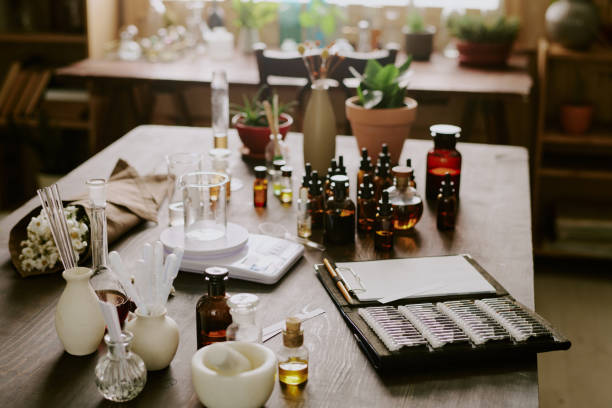
Glass is precisely one of the most chemically inert packaging materials known. Its dense silicate mesh structure makes it almost non-reactive with any organic solvents, alcohols, or esters. This means that every day the perfume is in the bottle, it remains exactly the same as when it was just bottled – the freshness of the top note, the richness of the middle note, and the tenderness of the base note, without any deviation.
Compared to plastic, the advantages of glass are particularly prominent. Plastic containers contain plasticizers (such as phthalates) that may migrate into the liquid over time, not only altering the chemical composition of the perfume, but also potentially posing potential safety hazards. Glass, with its inertness, builds an invisible protective barrier for the perfume.
Excellent Sealing Performance – Retaining the Aroma of Time
The enemies of perfume are oxygen and moisture. Oxidation reactions can cause the fragrance notes to deteriorate, especially the citrus and herbal components in the top notes; moisture may also trigger the growth of microorganisms, accelerating the degradation of the formula.
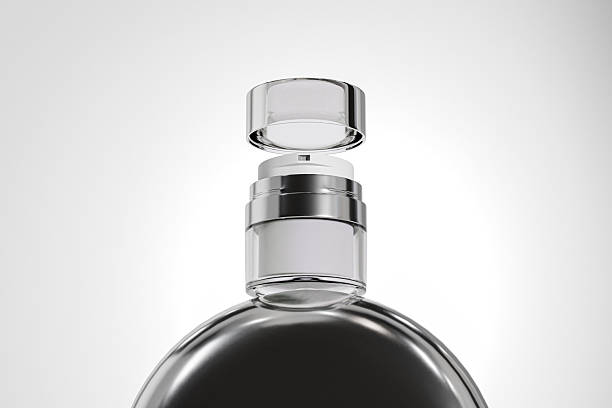
The glass bottle itself has no pores, and combined with high-precision metal or glass bottle caps, it can achieve an almost perfect sealing effect. In contrast, even high-quality hard plastic still has a certain gas permeability in its microscopic structure, and over time, there will inevitably be a small amount of gas exchange.
Therefore, properly stored glass bottles of perfume can maintain stable quality for several years after being opened; and many perfumers’ first piece of advice when discussing the preservation methods of perfumes is to keep it in the original bottle and place it in a cool and dark place.
Sensory Aesthetics – Making Perfumes “Visible”
Perfume consumption is essentially a multi-sensory experience, with vision often taking precedence over smell. At the perfume counter, the first impression of a consumer comes from the visual aspect – the lines of the bottle, the color of the liquid, and the refraction and gradient of light passing through the glass.
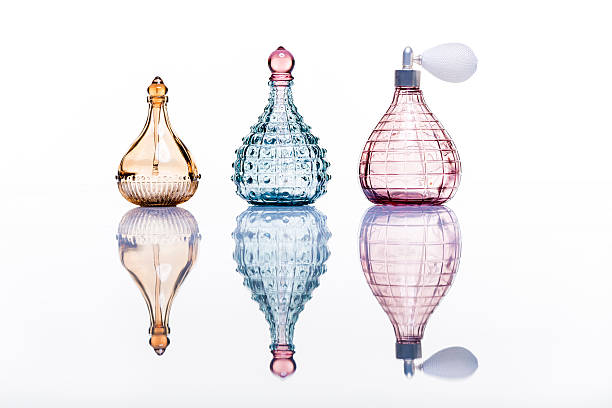
Glass has unparalleled advantages in this dimension compared to other materials:
High transparency: The glass material shows crystal-like transparency which enables the amber and golden and pale pink colors of the perfume to become visual elements of the design. Perfume designers use the liquid color of their creations as a fundamental element that shapes their entire visual design process.
Moldable craftsmanship: Glass can be shaped through various processes such as blowing, pressing, cutting, sandblasting, and coating, achieving various forms ranging from simple geometries to elaborate engravings. Whether it’s the minimalist black prism by Yohji Yamamoto or the elaborate three-dimensional relief on Guerlain’s bee bottle, glass can handle it all.Weight and texture: The natural density of glass gives the bottle a sense of weight. This “weight” is highly associated with “quality” and “premium” in the consumer’s mind – holding it in your hand is a commitment.
Brand Narrative – The History and Identity Carried by Glass
At the core of the perfume industry, it is not just the fragrance itself that matters, but the story and identity constructed around it. From this perspective, glass is almost the only material capable of carrying the weight of luxury brand narratives.
For consumers, the glass bottle conveys a psychological signal: This is a brand that takes quality seriously. This sense of trust is an emotional connection that plastic and metal cannot match.
Environmental Perspective – The Sustainable Advantages of Glass
In the current era where the ESG (Environment, Society, and Corporate Governance) concept is gaining widespread acceptance, the sustainability of packaging materials has become a new dimension in brand competition. Glass, in this field, also demonstrates strong advantages.
Glass is a material that can be 100% recycled infinitely without any reduction in material quality. In contrast, the actual recycling rate of plastic worldwide is still less than 10%, and most plastic recycled can only be used at a lower grade.
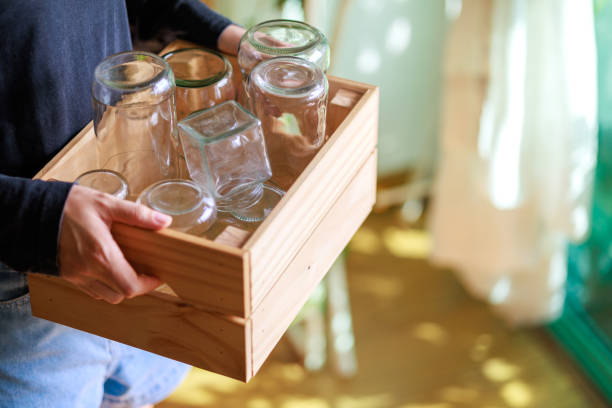
More and more high-end perfume brands are launching “refill” programs, allowing consumers to keep the glass outer bottle and only purchase the refillable core. This model not only reduces the packaging cost per single consumption but also significantly reduces the generation of waste packaging. For brands, this is an excellent opportunity to transform the durability of glass into a sustainable narrative.
Comparison With Other Materials
Taking into account four aspects – chemical stability, aesthetic appeal, sustainability and cost – the following is a comparison between glass and the main competing materials:
| Materials | Chemical stability | Aesthetics | Sustainability | Cost |
| Glass | ★★★★★ | ★★★★★ | ★★★★☆ | Medium high |
| Plastic | ★★☆☆☆ | ★★★☆☆ | ★★☆☆☆ | low |
| Metal | ★★★★☆ | ★★★★☆ | ★★★★☆ | High |
| Ceramics | ★★★★☆ | ★★★★☆ | ★★★☆☆ | High |
From the above table, it is easy to see that glass is the only material that has achieved full marks in both the core indicators of chemical stability and aesthetic appeal. Its relatively high cost is actually a necessary investment for quality in the high-end perfume market, rather than a burden.