In the field of home design, decorative glassware is no longer merely containers for liquids. It is the convergence point of light, color and craftsmanship, and an unspoken expression of a room’s atmosphere. Entering 2026, this category is experiencing an unprecedented wave of attention.The forces driving this trend come from three directions: consumers’ deep recognition of sustainable lifestyles, their collective aversion to “uniform minimalistism”, and their strong desire for the warmth of craftsmanship and personal narratives. Designers have observed that people have grown tired of uniform gray and beige, and are now seeking decorative items with storylines and vitality. Decorative glassware precisely fills this emotional void.
Trend 1: Sustainable and Environmentally Friendly Glass – Beauty with a Conscience
In 2026, “environmental protection” will no longer be just a slogan; it will be integrated into every detail of product design. Sustainable vessels, represented by amber glass, utilize collected waste glass bottles, beer bottles, etc., for recycling, transforming what would otherwise be landfill waste into works of art on the table.
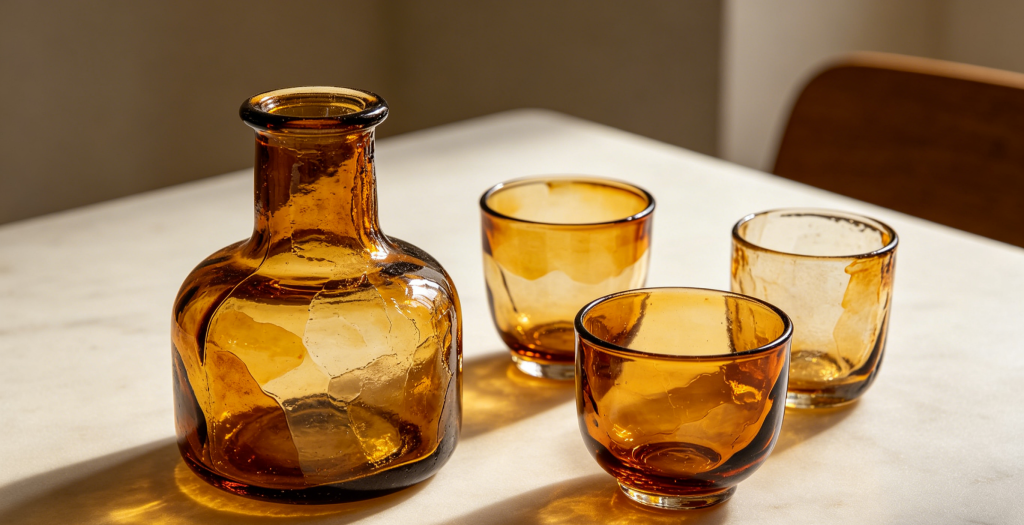
The production logic of these recycled glass vessels is completely different from traditional methods: there is no need to heat raw materials like sand to extremely high temperatures because the glass form already exists. Only a small amount of heat energy is required for polishing the edges, significantly reducing energy consumption. More importantly, each recycled glass vessel exhibits unique tones and textures due to the differences in raw materials, naturally possessing a “limited sense” and handcrafted aesthetics.
Brands are launching product series using 100% post-consumer recycled glass as the raw material. While not compromising on clarity and durability, they achieve environmentally friendly production. For consumers who value quality of life and have an environmental awareness, these vessels are the optimal choice that combines appearance and conscience.
Trend 2: Retro and Antique Styles Make a Comeback – “Grandma’s Collection Cabinet” Returns to the Top
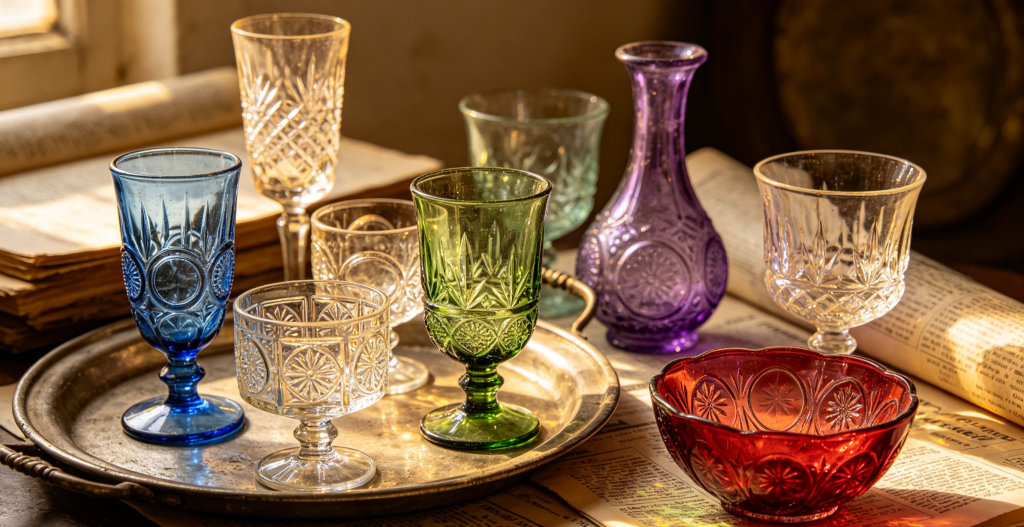
The return of colored glassware in 2026 reflects a deeper transformation in home aesthetics – people now desire their homes to look like they have been “collected” rather than “arranged”.
Brilliant Cut Glass and vintage glassware have become excellent decorative items, appearing in everything from wet bars to dining cabinets. Crafts with traces of time, such as Bubble Glass and Crackle Glass, have also regained popularity – those seemingly “imperfect” bubbles and cracks actually serve as a label distinguishing them from mass-produced industrial products.
Trend 3: Stained Glass and Artistic Glazes – Say Goodbye to Transparency, Embrace Color
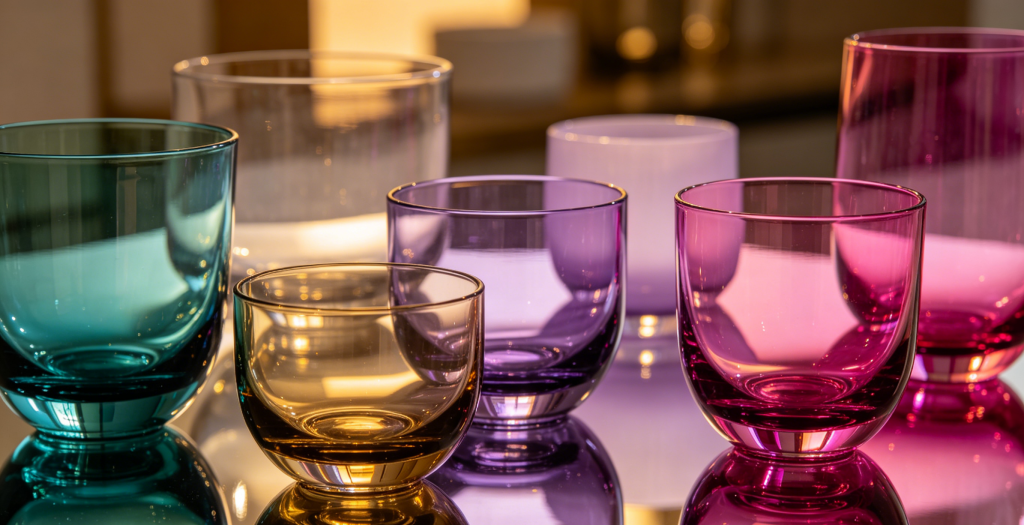
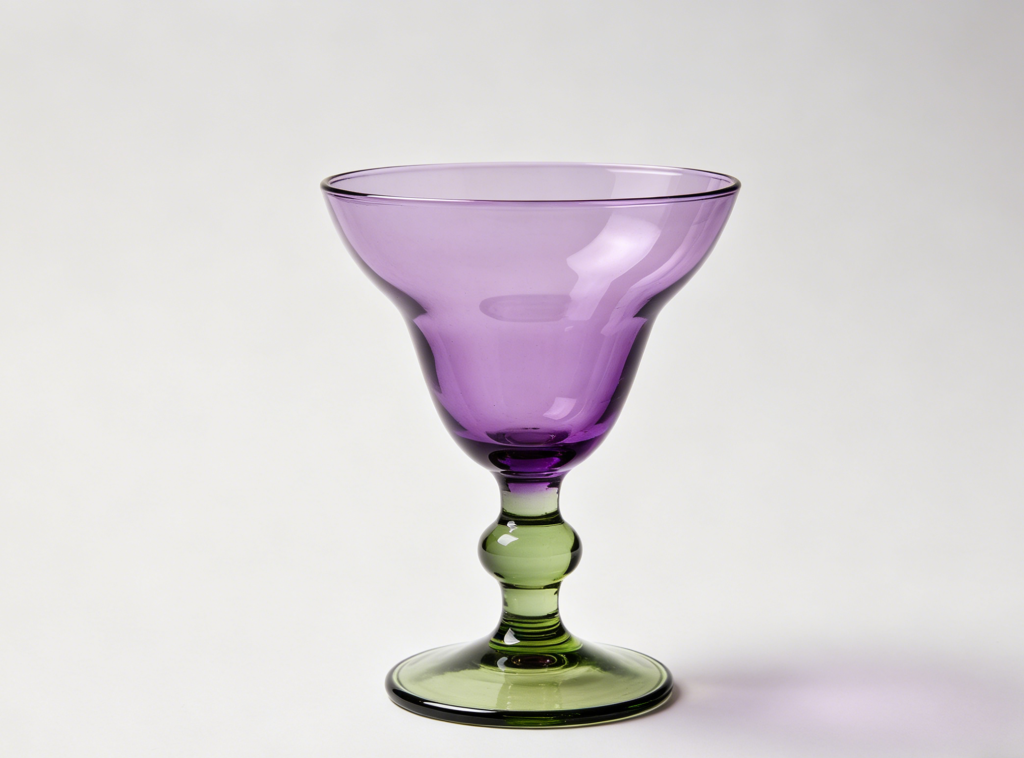
If in 2024 plain and transparent glass was still in vogue, then in 2026 the dominant element would undoubtedly be color. Deep emerald green, cobalt blue and warm amber hues are sweeping across dining tables. These highly saturated and distinctive “statement pieces” offer consumers who love artistic table settings an excellent way to express themselves.
According to the data from color trend forecasting agencies, the core color schemes for interior design in the spring and summer of 2026 include: “Transformative Teal” symbolizing ecological awareness, “Amber Haze” mysterious yet down-to-earth, “Digital Lavender” full of futuristic elements, and “Electric Fuchsia” vibrant and energetic. All these colors can be introduced into the home space through glassware, with low cost and significant effect.
The techniques of gradient and opal effects also shone brightly in 2026 – the same piece of glassware showing a natural transition of colors from the bottom to the top, creating an enchanting visual hierarchy under the light. This technique elevates glassware from practical items to true works of art that play with light and shadow.
Trend 4: Craftsmanship and Artisan Aesthetics – Imperfection is the Highest Level
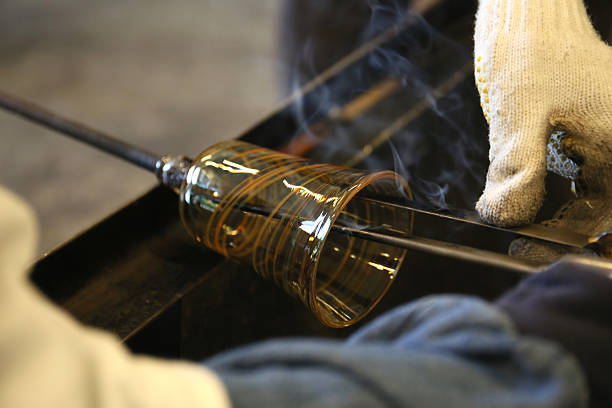
The charm of hand-blown glass lies in the fact that each piece is unique – the subtle differences in color, texture and shape give each piece an irreplaceable personality. After decades of the market being dominated by mass production in the industrial sector, consumers are now voting with their actual purchasing actions for the “handcrafted” quality.
Asymmetrical shapes, organic streamlined forms, and visible handcrafted marks – these features that were once regarded as “defects” are now the core selling points of independent artisan brands and niche glass studios. Take Moroccan hand-blown glass as an example. The artisans use recycled beer bottles as blowers to create vessels. The suspended bubbles and organic shapes within the bottles are the natural imprints of the handmade process.
When consumers purchase these vessels, they are not just buying an object, but also a narrative of craftsmanship and an intangible connection with the maker. This emotional value added is something that any factory assembly line cannot replicate.
Trend 5: Integration of Functionality and Aesthetics – Smart Design for Multiple Uses
In 2026, consumers are increasingly rejecting purely decorative items that can only be viewed but not used. Multi-purpose glassware designs – such as wide-mouth bottles that can be used as both vases and storage containers, and personalized tall glasses that can be used as both tableware and display items – are becoming the new favorites in the market.
Data shows that the demand for colorful classical tall glasses and cocktail glasses has significantly increased at the beginning of 2026. The main user groups are party hosts (55%) and home decoration enthusiasts (33%), and the usage scenarios include daily restaurant decoration and banquet occasions.
The integration of minimalism and practical aesthetics is reflected in the restraint of the vessel’s outline and the precision of the color language – a clean-shaped and richly colored glass vase can serve as a sculpture on the bookshelf and also hold flowers on the dining table, being used for two purposes without any incongruity.
Conclusion
The trend of decorative glassware in 2026 essentially represents a collective statement about “what kind of home we want”: warm, story-filled, responsible, and beautiful. Whether it’s a recycled glass-blowing amber cup, a cut crystal vase left by an aunt, or an asymmetrical dark green flower vase from an independent workshop – they all point to the same direction: in the fast consumer culture, to regain the appreciation and emotional investment in objects.