
A decanter is a common tool for wine and spirits enthusiasts, but is it really necessary? How do different types of alcoholic beverages (such as dry red wine, sweet white wine, and spirits) perform in a decanter? Can improper decanting ruin a good bottle of wine? Today, we’ll conduct a practical test and comparison to answer these questions: What types of liquor are suitable for being poured into a decanter?
What is a Decanter Used For?
There are two main functions of a decanter:
✅ Aeration – By expanding the contact area between the wine and the air, the oxidation reaction is accelerated to soften the tannins, release the aroma, and balance the taste.
✅ Decantation – Slowly pour the wine from the original bottle into the decanter to separate the sediment at the bottom of the bottle (tartaric acid crystals, tannin polymers, etc.) to avoid affecting the taste and visual experience.
But did you know that understanding the core purpose of a decanter is the key to unlocking its ability to enhance the wine-drinking experience? And avoiding common incorrect usage can prevent the flavor of the wine from being greatly reduced due to improper operation?
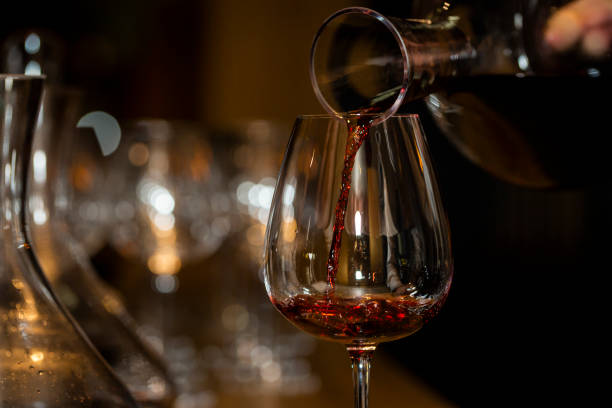
Common decanter mistakes that can ruin your wine
❌ Myth 1: All wines need to be decanted
Light-bodied reds (Pinot Noir), most whites and sparkling wines do not need to be decanted – over-decanting will make the flavor fade.
❌ Myth 2: Expensive decanters work better
Decanting depends on the time and surface area of the decanter, not the price of the decanter. Crystal decanters focus on beauty.
❌ Myth 3: Spirits can be stored in a decanter forever
High-alcohol spirits (whisky, brandy) can be decanted for a short time, but long-term storage will cause the alcohol to evaporate and the flavor to be lost.
The former is the starting point of the decanter’s value, and the latter is the line of defense for protecting the true flavor of the wine. Different types of wine react completely differently to oxidation. Below we will reveal the correct way to open the decanter through scientific principles and actual test data.
Experimental contrast (dry red wine, sweet white wine, strong wine) the impact of the decanter
We selected three typical wines for comparative testing:
For the dry red, we chose Cabernet Sauvignon.
| Decanting time | Aroma performance | Taste changes | Overall evaluation |
| Control group (drinking directly) | Closed, green and astringent fruity aroma | Tannins are tight and astringent, with a prominent sour taste | Hard, lack of layers |
| Short sobering (30 min) | Black currant and vanilla flavors | Tannins soften and the body of the wine gradually becomes rounder | Initial balance between fruity aroma and structure |
| Long sobering (2 hours) | Rich black fruit, smoke, chocolate | Tannins are silky and full-bodied | At its best, complexity is revealed |
Conclusion: Dry reds with high tannins need to be sobered for 1-2 hours, and the tannins and aroma will be significantly improved.
The sweet white category was evaluated with Riesling.
| Decanting time | Aroma performance | Taste changes | Overall evaluation |
| Control group (drinking directly) | Green apple, white peach, minerality | Balanced sweetness and sourness, but simpler flavor | Fresh and refreshing |
| Short sobering(15 min) | The aroma of honey pear and lemon candy is enhanced | More solid acidity, softer sweetness | Best state |
| Long sobering(1 hours) | The aroma is becoming flatter and the minerality disappears | Lighter body, shorter aftertaste | Over-detox |
Conclusion: Light to moderate sweet white wines can be decanted for ≤15 minutes to highlight the fruity aroma and acidity.
For spirits we chose young whisky
| Decanting time | Aroma performance | Taste changes | Overall evaluation |
| Control group (drinking directly) | Strong alcohol, vanilla, coconut, green apple | Spicy, with a noticeable alcohol burn | Young and sharp, need to adapt |
| Short sobering(15 min) | Alcohol evaporates, honey and citrus emerge | Slightly smoother body, with increased sweetness | Easier to drink |
| Long sobering(1 hours) | Caramel and butter toffee aromas are enhanced | Reduces alcohol content, with a mellower mouthfeel | Best condition |
| Extra long sobering(24 hours) | Over-oxidation, too much wood tone | Flat flavor, shorter aftertaste | Not recommended |
Conclusion: Young whiskey is best decanted for 30-60 minutes, which will reduce the alcohol stimulation and make the flavor more open.
Decanter Shapes For Which Liquor
Wide bottom flat round wine decanter
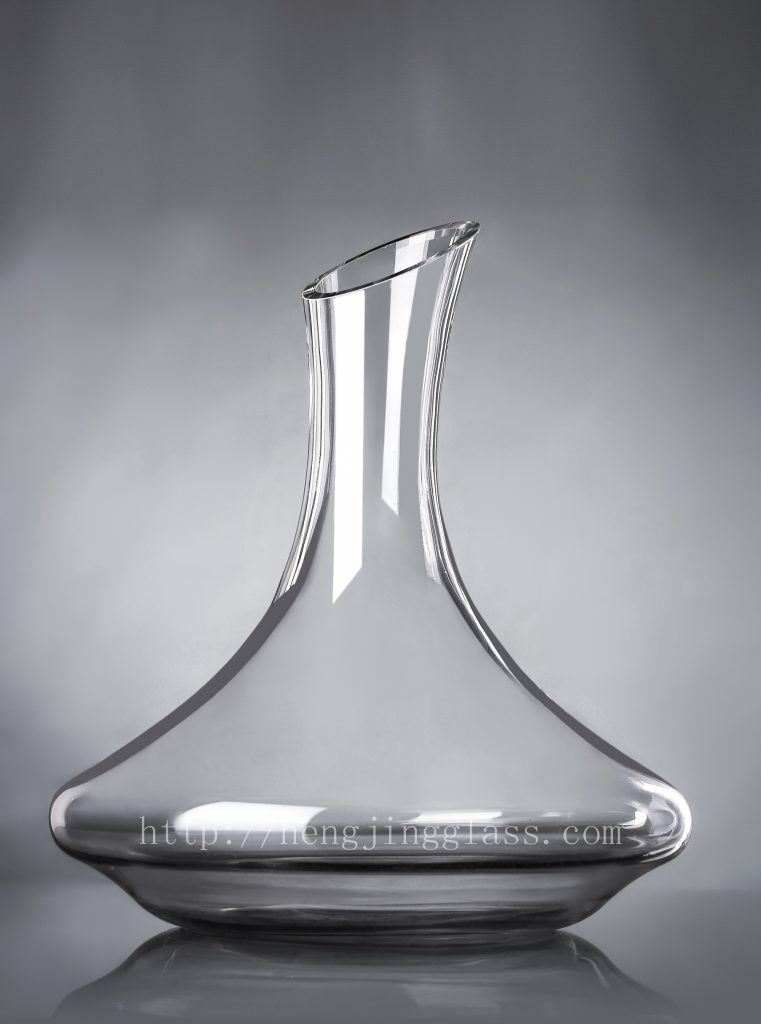
Features: wide bottom, large wine spreading area
Function & Applicable wines:
✅ Rapid oxidation: suitable for young red wines with heavy tannins
✅ Full release of aroma: accelerate the release of volatile substances through large area contact with air
✅ Applicable wines: red wines with heavy tannins (e.g. Cabernet Sauvignon, Syrah)
Narrow-necked teardrop-shaped decanter
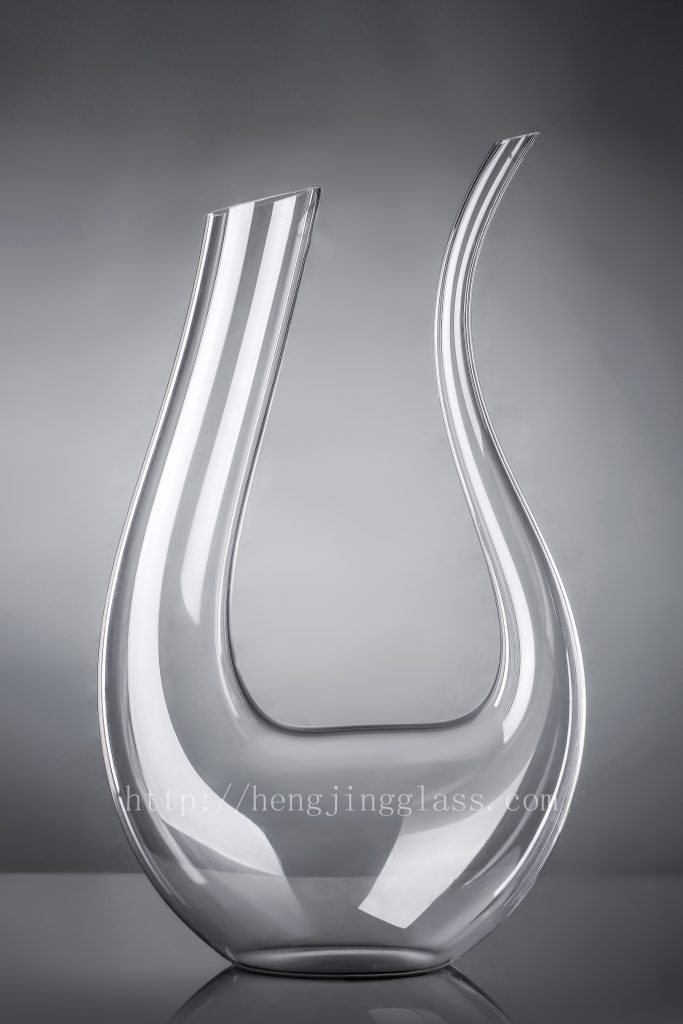
Features: slender neck, gradually widening at the bottom
Function & Applicable wines:
✅ Control oxidation rate: suitable for aged red wine, a few complex white wines to enhance flavor
✅ Preserve delicate aroma: reduce excessive volatilization, while separating precipitation
✅ Applicable wines: aged red wine, some white wines (e.g. old Bordeaux, aged Riesling)
Sealed spirit decanter
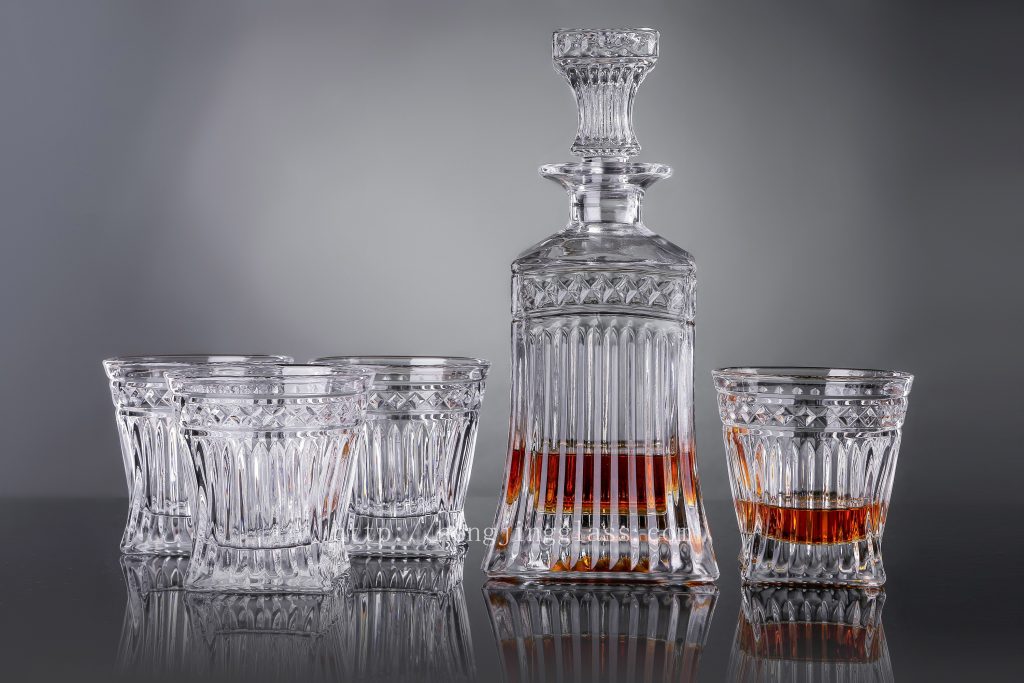
Features: with glass stopper or screw cap, narrow bottle mouth
Function & Applicable alcoholic beverages:
✅ Prevent alcohol evaporation: spirits generally have a high alcohol content
✅ Need to be maintained for a long time: sugar and flavor substances are easily affected by oxidation.
✅ Applicable alcoholic beverages: spirits, liqueurs (e.g. whiskey, cream liqueur)
How to Decant Properly: Time and Decanter Shape for Liquors
| Alcohol Type | Decanting Needed? | Best Decanter Shape | Ideal Time |
| Young Tannic Reds (Cabernet, Shiraz) | ✅Yes | Wide-base (max aeration) | 30–60 min |
| Aged Reds (Bordeaux, Barolo) | ✅ Yes (for sediment) | Narrow-neck (slow oxidation) | 15-30 min |
| Sweet Whites / Dessert Wines | Sometimes | Small decanter | ≤15 min |
| Whisky / Brandy | Short-term only | Spirits decanter (narrow) | ≤1 hour |
| Light-Bodied Wines (Pinot Noir, Rosé) | No | — | — |
Final Verdict: A Decanter Is a “Tool,” Not a “Must-Have”
Whether it is necessary to buy a decanter depends on what kind of wine you drink, how often you drink, and how much you pursue flavor.
✔ Worth Buying If: You drink bold reds, aged wines, or enjoy aerated spirits.
❌ Skip if: you mainly drink white wine, sparkling wine, or light red wine, or rarely drink alcohol.
A decanter doesn’t “improve” bad wine—it enhances the right ones. If you have a young Bordeaux or cask-strength whisky, decanting can elevate the experience. But for everyday bottles? Just pop the cork and enjoy!