In the very competitive market of luxury spirits, one’s purchase decision will have been already taken well before that first taste. When looking through either the retail shelf or the back-bar selection, the buyer quickly evaluates the bottles without even realizing what’s happening. What makes an expensive bottle of Scotch, Cognac, or top-tier tequila worth its asking price from a purely visual perspective?
The answer lies in material science and structural engineering. For luxury alcohol brands, “premiumization” is not an abstract marketing concept—it can be precisely engineered through the optical refraction of Extra Flint glass and the tactile physics of a Heavy Base design.
What is Extra Flint Glass?
To understand why some glass bottles possess a crystal-like brilliance while others look dull, you have to look at the raw material formula. In wholesale manufacturing, standard glass often carries a faint greenish or bluish tint. This is caused by impurities, specifically iron oxide.
Strict Iron Content Control
A world-class custom whisky glass bottle manufacturer utilizes ultra-pure, low-iron silica sand. While standard glass may contain over 0.05% iron, true Extra Flint glass strictly limits iron levels to under 0.02%, and in ultra-premium tiers, below 0.015%. Minimizing iron ensures the glass remains completely colorless, preventing any undesirable color distortion when a consumer looks at your liquid.t
Maximizing the Refractive Index
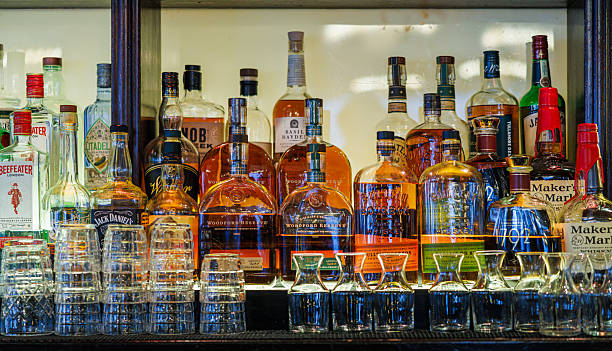
The addition of particular trace metal oxides to the molten mixture increases the refractive index of the glass. Once exposed to the light from the retail spotlights in the ambient environment, the light is not simply transmitted; it is also bent and dispersed, creating sparkling effects. The high transmission enables the brilliant gold amber of the aged single malt to be revealed, or the diamond clarity of the vodka.
The Physics of Heavy Base (Thick Bottom) Crafting
If Extra Flint glass wins the consumer’s eyes, the heavy base glass packaging wins their hands. In luxury packaging, physical weight translates directly to a psychological perception of heritage, quality, and substance.
- The “Premium Weight” Subconscious Cue:
A thick, substantial bottom lowers the bottle’s center of gravity. When a bartender or consumer picks up the bottle, this localized mass provides a distinct “drop weight” (or “heavy hand-feel”). It feels structurally stable and safe, anchoring the product as a premium asset in the consumer’s mind. - The Optical Lens Effect:
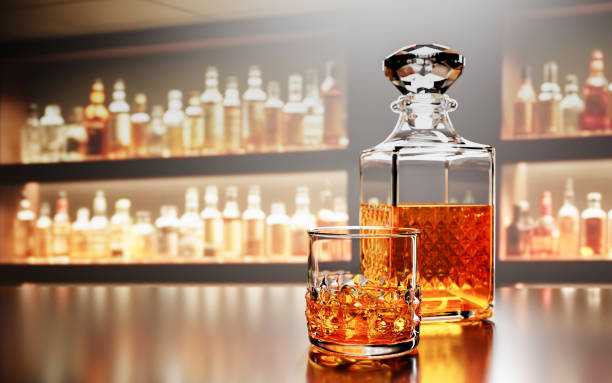
A heavy glass base acts as a solid, transparent light-guide. As light travels through several centimeters of pure Extra Flint glass at the bottom, it undergoes internal reflection. This creates a natural magnifying effect, making the spirit above appear deeper in color and emphasizing the intricate details of any base embossings or punt designs.
The 3 Technical Hurdles of High-End Glass Manufacturing
Producing a flawless, heavy-base Extra Flint bottle is notoriously difficult. B2B buyers must understand these complexities, because cheap, uncertified factories frequently fail to control them, leading to catastrophic filling-line failures.
Failure 1: Internal Stress (The Cooling Dilemma)
Since a thick base is considerably thicker than the walls of the bottle, the outside layer of glass will cool more rapidly than the inner denser layer during the manufacturing process. Without proper control, this will lead to severe thermal stresses within the bottle, causing it to break spontaneously.
The Solution: Premium manufacturers route bottles through an elongated, precisely monitored Annealing Lehr (cooling tunnel) and subject the finished batches to polarized stress viewers to guarantee structural integrity.
Failure 2: Vertical Axis Deviation (The “Slanted Bottom” Risk)
In a molten state, heavy glass is highly susceptible to gravity. If the mold’s cooling air or mechanical timing is off by a fraction of a second, the molten glass shifts, causing uneven bottom thickness or a slanted base. This creates vertical axis deviation. If a bottle tilts even slightly, it will jam or misalign on automated high-speed filling lines running at hundreds of bottles per minute. Choosing a supplier with tight tolerance controls (±0.3mm or less) is mandatory.
Failure 3: Blisters and Shear Marks
In ultra-clear glass, even a microscopic air bubble (blister) or a faint line from the molten glass cutter (shear mark) is amplified by the heavy base lens effect. Eliminating these requires advanced refining zones in the furnace and automated 100% camera inspection systems (AOI) before the packaging is palletized.
Why Premium Glass Pays Off
| Metric | Standard Glass Bottle | Extra Flint Heavy-Base Bottle | Brand Impact |
| Shelf Stopping Power | Standard reflectivity (4%) | Enhanced refraction(+15%) | Catches consumer eye within the critical first 3 seconds. |
| Price Tier Capability | Restricts brand to entry/mid-tier | Positions brand for luxury/collector tiers | Unlocks higher profit margins and premium pricing power. |
| Post-Consumer Life | Thrown into recycling immediately | Retained as a decanter, carafe, or home decor | Extends passive brand exposure in consumers’ homes for years. |
The Procurement Checklist for Premium Spirits Sourcing
Before signing a supply contract or purchasing production molds, ensure your premium spirits bottle supplier provides documented verification for the following technical standards:
[ ] Chemical Purity: Request the exact Fe2O3 (iron) percentage. It must be under 0.02% to qualify as premium Extra Flint.
[ ] Thermal Shock Resistance: The glass must withstand a sudden temperature differential of at least 40℃ (72℉) without cracking, ensuring safety during high-temperature washing or cold-filling.
[ ] Brimful Capacity Tolerance: Thick-bottom bottles must have tightly controlled internal volumes to prevent liquid levels from appearing inconsistent or overflowing on the filling line.
[ ] Decorating Compatibility: Ensure the glass surface is treated properly to accept high-end post-processing customization, such as precise screen printing, hot foil stamping, or deep acid etching.
Partner with a Top Spirits Bottle Supplier
Do not spoil the efforts put into creating your product by using cheap materials for packaging. The best spirits which you have matured in oak barrels for many years should be presented in perfect bottles known all over the world.
Hengjing offer our services in terms of designing and producing unique bottles made of flint glass with high density and iron content, which meet demands of international distillers and luxury products producers. All processes such as adjustment of blueprints, creating mechanical prototypes, and automatic pressure test are done according to your requirements.