Have you ever stood in the drink aisle, staring at two bottles of the same beverage, and wondered: are glass bottles better than plastic? You‘re definitely not alone. It’s one of those everyday questions that pops up whether you‘re just grabbing a quick drink or actually running a food and beverage brand and trying to pick the right packaging.
Here’s the thing. Most of us have this gut feeling that glass feels more “premium.” But then you remember how heavy it is. And what if it drops? Shattered glass everywhere. Meanwhile plastic is so convenient and practically indestructible, but then there‘s that nagging worry about chemicals and the whole environmental mess.
So what‘s the real answer? Honestly? There isn’t just one. It all comes down to what you care about most, in your specific situation. In this guide, we‘ll walk you through four key angles. Health and safety. Environmental impact. Cost and logistics. And how things actually play out in real world use. By the end, you’ll be able to decide with real confidence.
Are Glass Bottles Better Than Plastic? Quick Answer First
In a hurry? Let’s cut straight to it. There’s no single winner here. It all boils down to what you actually value.
If health, true‑to‑the‑original taste, and a premium brand image are non‑negotiable for you, glass is the clear choice. No contest.
But if convenience matters more. Portability. Something that won’t shatter when you drop it. And you need costs to stay rock‑bottom. Then plastic is the far more practical option.
Let‘s break down why. Glass is an incredibly stable, inorganic material. It’s chemically inert, meaning it won‘t react with whatever liquid you put inside it. Whether it’s water, wine, or highly acidic fruit juice, glass won‘t alter the composition, introduce off flavors, or release any funky smells. That’s exactly why it dominates the premium food and beverage space.
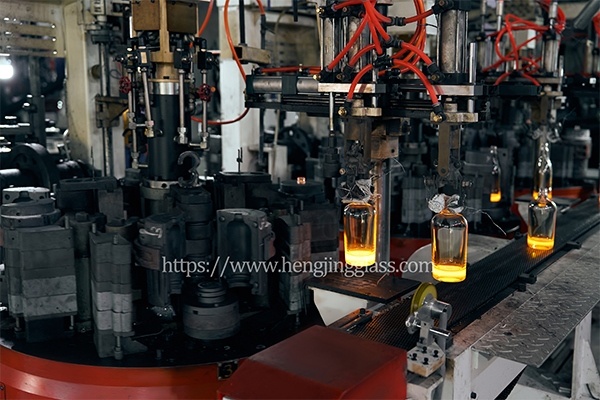
Plastic is purposely engineered for lightweight efficiency and cost control in mass production and large scale shipping environments, drastically reducing packaging weight which in turn lowers fuel costs as well as decreasing breakage risk.
Think of it this way:
Glass is all about stability, consistency, and preserving quality.
Plastic is all about efficiency, scalability, and affordability.
To make things even clearer, here is a side by side comparison that sums up the pros and cons across the most important categories.
Glass vs Plastic Bottles: Full Simple Comparison Table
| Comparison Factor | Glass Bottles | Plastic Bottles |
| Chemical Safety | Extremely high. No harmful substances leach into contents. | Risky. Can release chemical particles under heat, UV exposure, or aging. |
| Effect on Taste | Perfectly preserves original flavor. 100% no off taste. | Poor over time. Develops a noticeable “plastic taste” after prolonged storage. |
| Recycling Lifespan | Infinitely recyclable. Quality never degrades. | Downcycled only 1 2 times. Most ends up as waste. |
| Weight & Portability | Heavy and fragile. | Ultra light and practically unbreakable. |
| Initial Production Cost | Higher per unit cost. | Extremely cheap, ideal for high volume. |
| Brand Perception | Premium, professional, high quality. Commands higher price. | Ordinary, budget friendly, mass market. |
Why Glass Bottles Are Considered Safer
This brings us to a big question: why are glass bottles better than plastic when it comes to health? Think about it. Why do premium mineral waters, fine wines, and bird‘s nest always come in glass? The answer lies in the chemistry.
No Chemicals Leaking Into Drinks
There’s a term in the packaging industry called “chemical leaching.” It‘s exactly what it sounds like. It’s when tiny chemical compounds from the packaging material migrate into the drink or food it holds.
Even with BPA free plastics, the molecular structure can become unstable when exposed to heat, direct sunlight, or acidic contents like soda or lemon juice. Over time, microscopic plastic particles and chemical additives can “leach” into the beverage. You don’t see them, but they’re there.
Glass, however, has what scientists call “chemical inertness.” Think of it as a completely neutral bystander. It doesn’t matter if you pour in high acid tomato juice or near boiling hot liquid, glass won‘t react. It won’t donate any molecules to your drink. It simply holds your beverage safely and cleanly.
So if your health is your number one priority, this alone could be the deciding factor for you.
Better for Long Term Storage
Plastic has microscopic pores you might not realize are there, which you cannot see with the naked eye but are nonetheless there and allow oxygen molecules to slowly seep through them and cause your drink to oxidize, degrading its flavor and ultimately making you sick! Therefore, glass storage containers offer much safer long-term options when it comes to keeping food or drinks cold and fresh for consumption later.
Glass containers, on the other hand, are completely airtight. It creates a total barrier, sealing oxygen out entirely. That’s why it‘s the go to for long term preservation. Think about high end soy sauce, vinegar, or pure juices. If you put those in plastic for six months, the taste changes noticeably. But if they’re in glass, they can sit for a year or two and still taste exactly like the day they were bottled.
Why Plastic Bottles Are Still Widely Used
Okay, so we‘ve established that in terms of health, are glass bottles better than plastic bottles? most people agree that but here’s the reality check. If glass is so great, why are the vast majority of drinks in the supermarket still sold in plastic?
The answer comes down to two heavy hitters: convenience and commercial logistics. Plastic has some undeniable “hard power” that keeps it firmly in the game.
Very Cheap and Lightweight
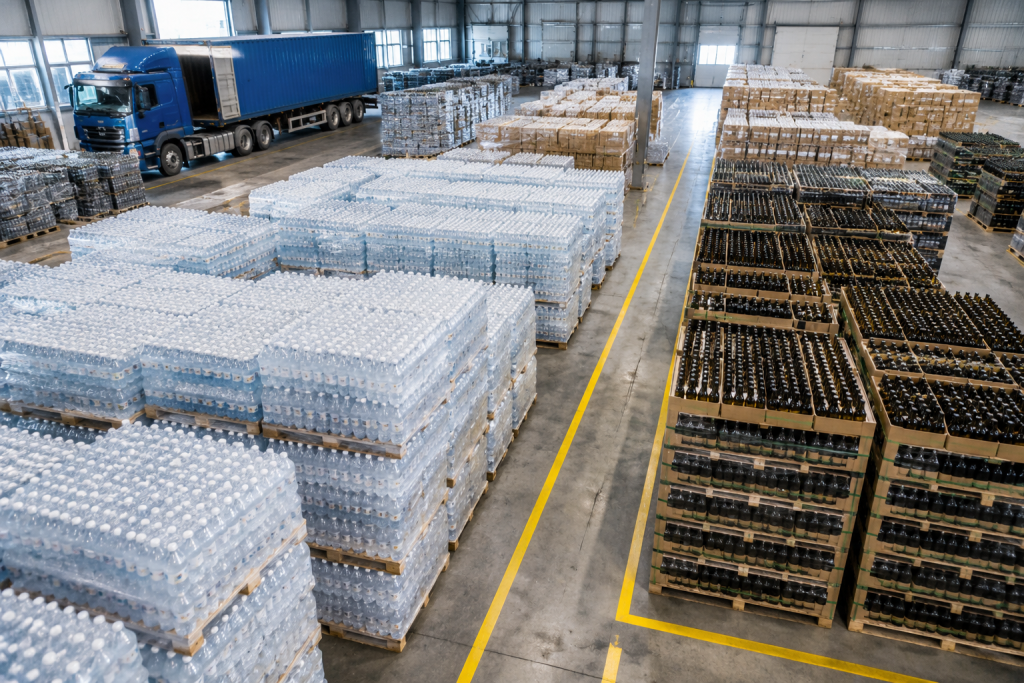
Plastic‘s biggest advantage is its cost and weight. Making a plastic bottle can cost just pennies or even fractions of a penny. And it’s incredibly light. Imagine a delivery truck. If you load it with glass bottles, a huge chunk of the total weight is just the packaging itself. The actual beverage you‘re transporting is only part of the load. But with plastic, the truck is mostly carrying the drink. That efficiency makes a massive difference.
Hard to Break During Transport
In the logistics world, there’s a metric called the “breakage rate.” Glass bottles on a bumpy road, or when handled roughly during loading and unloading, can easily crack or shatter. And when one breaks, the sticky liquid leaks all over the rest of the shipment. It‘s a nightmare. Plastic bottles, on the other hand, can be dropped, tossed, squeezed, and stacked without breaking. This makes large scale shipping so much more manageable and predictable.
Good for Mass Distribution
For affordable, mass market drinks like regular soda or standard bottled water, brands have to rely on low costs and high shipping efficiency to make a profit. Plastic is perfectly designed for that kind of mass distribution. It’s lightweight, it‘s cheap, and it’s practically indestructible. That‘s why it dominates the mainstream market.
So if you’re thinking about commercial costs, or you just want to throw a bottle in your gym bag without a second thought, plastic‘s advantages immediately become clear.
Environmental Impact: Which Is Better for Earth?
This is probably the most debated topic, and honestly, the truth here is a lot more complicated than most people realize. The picture isn’t black and white.
Glass Can Be Recycled Forever
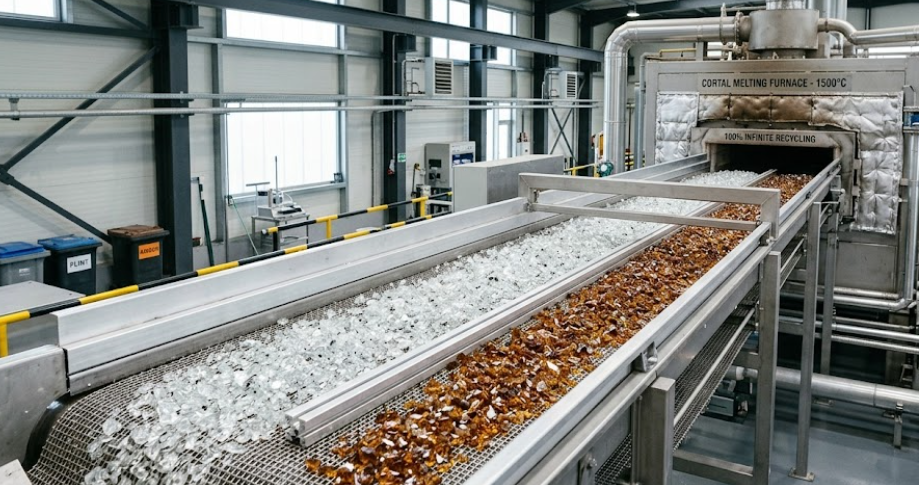
From a waste management perspective, glass is kind of an environmental superhero. It has what’s called “infinite recyclability.” A glass bottle can be melted down and turned into a brand new glass bottle, and you can do this over and over again, literally thousands of times, without any loss in quality. The material doesn’t degrade.
Plastic Creates Microplastic Pollution
Plastic, on the other hand, is a persistent environmental nightmare. Globally, less than 10% of plastic bottles actually get recycled. And here‘s the kicker: plastic never truly goes away. It doesn’t biodegrade. It just breaks down into smaller and smaller fragments, known as “microplastic pollution.” These tiny particles end up in our soil, our oceans, and ultimately in the fish we eat. Then they wind up back on our dinner plates, in our own bodies.
But Glass Needs More Energy to Produce
However, scientific research, including in depth reports from sources like BBC Future, points out a hidden downside to glass: energy consumption during production.
Making glass requires heating raw materials like sand to over 1500 degrees Celsius to melt them down. That process guzzles energy and produces a significant carbon footprint. In fact, when you look at the “first production” cycle, glass actually has a higher carbon cost than plastic. Add to that the fact that glass is so heavy. Transporting it requires more fuel.
So how do you make a good environmental decision here?
If you‘re buying a single use bottle and throwing it away after one drink, glass’s environmental benefits are largely canceled out by its high production energy. Glass only becomes the clear eco winner if you reuse that bottle over and over for years, or if you‘re a brand setting up a return and refill system.
Cost and Real-World Usage: Which One Is Practical?
In real life, we can’t just talk about ideals. We have to match the packaging to the specific situation. That‘s how you make the best decision.
When Glass Is More Expensive but Worth It
Sure, a glass bottle costs more upfront and feels heavier in your hand. But if the bottle stays put most of the time, and you actually reuse it over and over? Then it’s totally worth the money. Think about kitchen staples. Olive oil, vinegar, soy sauce. Those bottles sit right there on your counter. Or maybe it’s the water bottle you keep on your office desk.
You can wash glass with hot water. You can even boil it to sterilize it if you want. And it’ll keep going for years. No problem. When you spread that cost over daily use, combined with the health benefits of avoiding plastic, the value proposition becomes very strong.
When Plastic Is the Only Practical Choice
Plastic is clearly superior if your activity involves frequent movement with high risks of drops, such as running a marathon, working out at the gym or strolling with children. Plastic saves energy while enabling you to focus on what matters more – your activity. No worries about broken glass fragments!
Special Use Cases: Drinks and Food Storage
Now let‘s zoom in on some everyday scenarios and see what real people tend to prefer.
Glass vs Plastic for Water Bottles
If you enjoy drinking water, you may have noticed something interesting: glass bottles produce cleaner and sweeter tasting water than plastic ones with only subtle plastic aftertaste remaining.
That‘s because glass has a super smooth, non porous surface. It doesn’t absorb or hold onto any flavors or odors from previous contents. It also doesn‘t release anything into the water. So if you’re particular about the purity of your drinking water, glass is definitely the superior choice.
Glass Bottles for Food & Beverage Brands
For business owners in the food and beverage industry, choosing glass is often a strategic move to create brand premium.
Think about it this way. A regular sparkling water in a plastic bottle might sell for two bucks at a convenience store. But put that same water in a beautifully designed, crystal clear glass bottle with a nice weight to it, and place it in a nice restaurant. Suddenly, people are happy to pay eight or ten bucks for it.
Glass instantly elevates the product‘s perceived value. It signals quality, care, and sophistication. It makes your brand look more trustworthy and your product more desirable.
When You Should Choose Glass Bottles
To summarize, if you find yourself in any of these situations, you should pick glass without hesitation:
I plan to keep this bottle in a fixed place, like my home or office, and I won’t be commuting with it every day.
I‘m very sensitive to taste and can’t stand even a hint of plastic flavor in my water or drink.
I’m storing high value, perishable, or acidic items like honey, juice, wine, bird‘s nest, or premium condiments.
I’m a brand owner, and my product is positioned as high end, artisanal, or different. I need my packaging to reflect that premium image.
When Plastic Bottles Are the Better Choice
On the flip side, plastic bottles are the smarter move in these scenarios:
I‘m constantly on the move. This is for outdoor sports, travel, or the gym. Every gram of weight saved matters to me.
The environment is rough. There’s a high chance of drops and bumps, like around kids or by the pool. (Many pools actually ban glass for safety reasons, and with good reason.)
I‘m a mass market brand. My customers are very price sensitive, and my profit margins depend on squeezing every last drop of efficiency out of shipping and packaging costs.
Glass vs Plastic: Final Simple Conclusion
So, let’s go back to the question we started with: are glass bottles better than plastic?
Think about health. Taste purity. Long‑term sustainability. When you weigh all that together, glass clearly comes out on top. No real debate there. It keeps your body safe from chemical exposure. And it gives your drinks and food the cleanest, safest environment you could ask for.
Plastic still holds its ground with its lightweight nature and low cost. It powers mass market distribution, and it‘s super convenient for on the go lifestyles. But here’s the thing. As people get more health‑conscious and start paying closer attention to quality, you’re seeing a real shift. More and more everyday consumers, and quite a few premium brands too, are moving back to glass.
That doesn’t mean it’s the right call for everyone, though. The best choice really comes down to your own situation, your priorities, and how you actually use the bottle. There’s no universal answer.
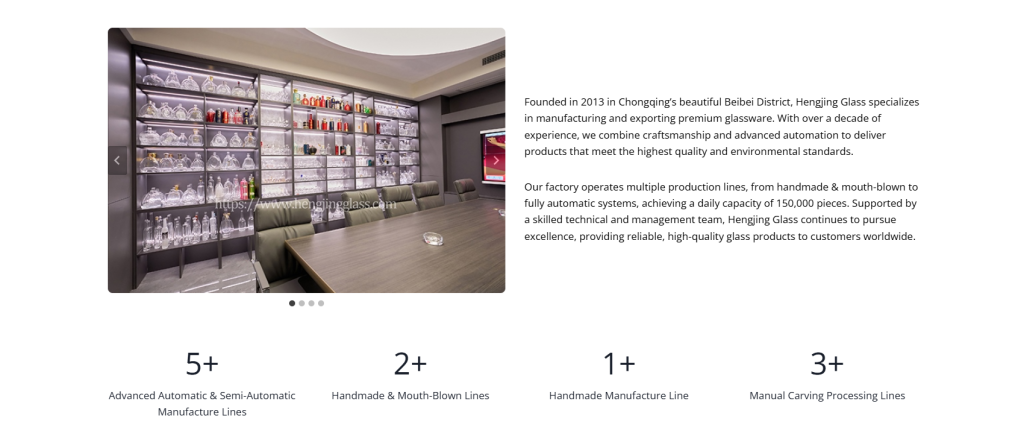
Now, if you’re running a business and you’re on the hunt for packaging that’s safe, high‑quality, and looks genuinely premium, then finding a manufacturer with real know‑how is a smart first move. Take a company like Hengjing Glass, for instance. They’ve been in this space for years, and they focus on food‑grade glass that meets international safety standards. More importantly, they understand how design and transparency can actually lift a brand’s perceived value.
For any brand that wants both safety and a polished, aesthetic edge, working with a trusted supplier like that isn’t just about protecting what’s inside the bottle. It’s about elevating your entire brand story. The packaging becomes part of your identity, and that’s something worth investing in.